The Ohio Senate and House have now both passed a bill that would forcibly out LGBTQ+ students to their parents and also allow parents to opt their child out of “sexuality content” at school.
House Bill 8 defines sexuality content as “any oral or written instruction, presentation, image, or description of sexual concepts or gender ideology provided in a classroom setting,” with exceptions granted for STI and abuse discussion, as well as “incidental references” to sexual concepts or “gender ideology.”
There is also a total ban on “sexuality content” in grades three and below, with all other grades facing a requirement for parental review of the content. It additionally requires notification of “any substantial change” in student services, defined as including changes to one’s gender identity in the school system.
The bill was introduced by State Reps. D.J. Swearingen (R) and Sara Carruthers (R).
“If people are out and they don’t have supportive parents — there is an epidemic of LGBTQ youth homelessness,” Dara Atkinson, an activist with TransOhio, told News 5 Cleveland. “[There are] parents who don’t affirm their children and then decide that they would like them to not be their children.”
“For students that have queer families, it is then not OK in early childhood curriculum to discuss queer families as part of the community,” they added.
Carruthers claims, however, that “there is no hidden agenda” and that this is about advocating for parental rights. She claims it is not “anti-LGBTQ” and that “nothing can be done these days without offending others.”
The bill is now on its way to the desk of Republican Governor Mike DeWine as advocacy groups call for him to veto it.
“We are deeply disappointed that the legislature decided once again to attack LGBTQIA+ youth by passing yet another bill that will make schools less safe and inclusive for queer and transgender people,” said a statement from Kaleidoscope Youth Center, an LGBTQ+ youth center.
Equality Ohio Executive Director Dwayne Steward added, “Overnight when most school-age children are asleep, the legislature rushed through another shameful attack on LGBTQ+ youth.”
It had been an important 12 months for LGBTQ+ rights around the world – in bad ways as well as good.
While steps in the right direction have been made in some countries, including Estonia legalising same-sex marriage, there’s been a drop in LGBTQ+ equality in other nations, such as Georgia, Kazakhstan, and even the US.
Russia, meanwhile, has continued to be one the most dangerous places for LGBTQ+ people.
Here are some of the countries that regressed on LGBTQ+ rights in 2024.
Georgia
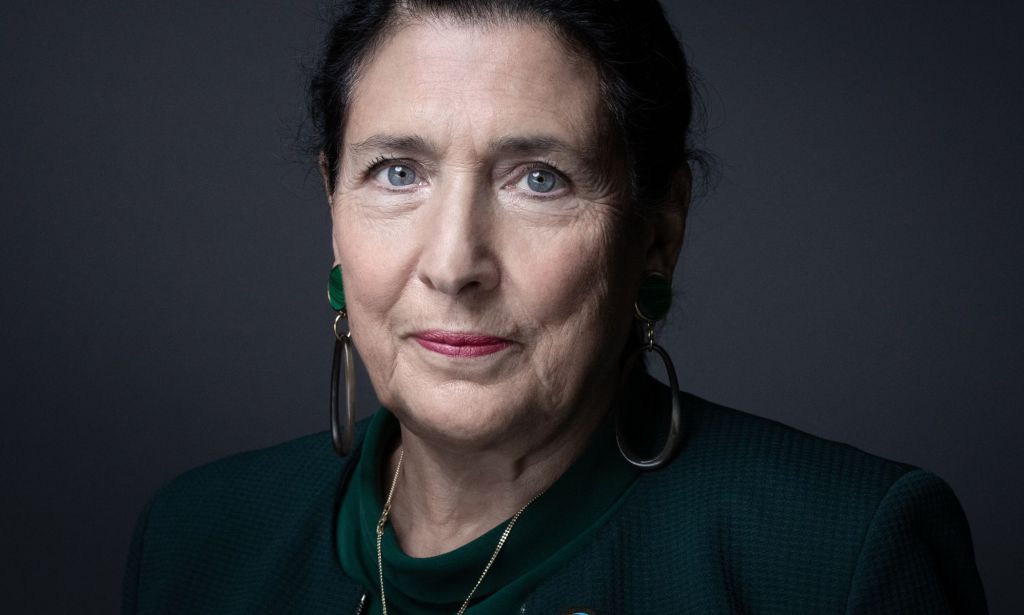
Georgian president Salome Zourabichvili vetoed an anti-LGBTQ+ bill but it still passed into law. (Getty)
Georgia is one of the nations causing particular concern.
The country implemented a bill – despite president Salome Zourabichvili’s attempt to block it – banning changes to gender on official documents, outlawing gender-affirming care, and placing major restrictions on LGBTQ+ freedom of expression.
The legislation prompted various not-for-profit organisations, including Rainbow Migration, to demand that the UK take Georgia off of its list of safe countries.
Minesh Parekh, policy and public affairs manager at the nonprofit Rainbow Migration, said of Georgia: “There’s widespread evidence of the danger that LGBTQI+ people face in Georgia and the situation has only worsened in recent months.
“It is imperative that the UK government stops using ‘safe states’ designations and ensures people are not returned to unsafe conditions. We are currently supporting LGBTQI+ Georgians who are terrified at the prospect of being sent back to the danger they’ve fled.”
Parekh noted the non-profit’s efforts in supporting Noah, a gay man from Georgia whose family subjected him to abuse over his sexuality, including forcing him to take medication because they believed he “had a demon inside him.”
“Noah was luckily granted refugee status, but many other Georgians could face being sent back to life threatening situations – and we therefore urge the Government to repeal the cruel Illegal Migration Act introduced by the previous government, and guarantee LGBTQI+ people’s safety.”
USA
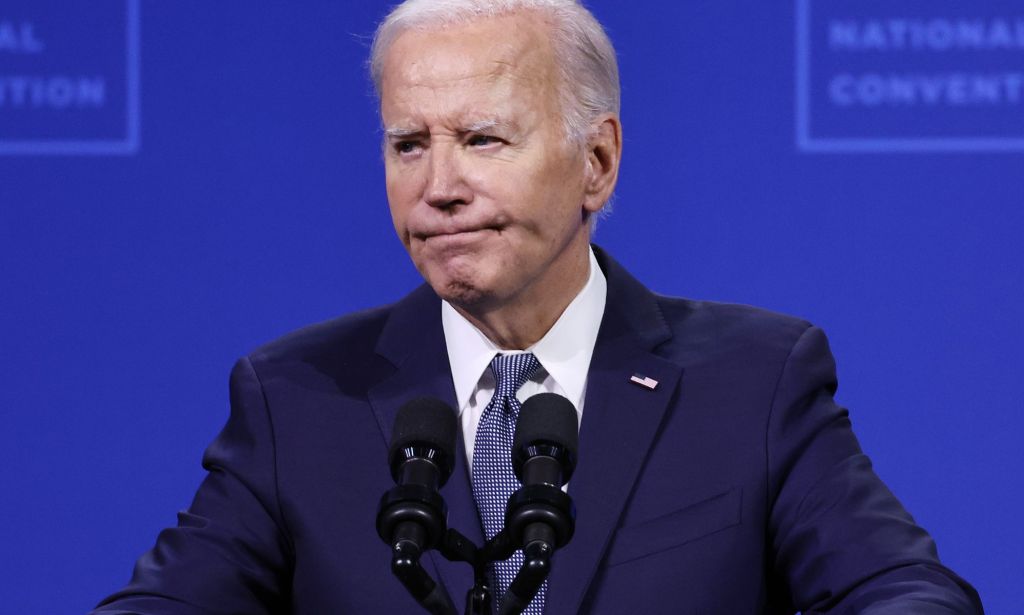
President Joe Biden has been fighting a losing battle. (Getty)
Despite efforts by the present administration to promote LGBTQ+ rights, including hosting one of the biggest Pride events in the White House, and Joe Biden becoming the first sitting president to be interviewed by an LGBTQ+ news publication, the continued onslaught of anti-LGBTQ+ bills tells a different story.
According to the American Civil Liberties Union (ACLU), at least 574 anti-LGBTQ+ bills have been proposed in US legislatures across various states since the beginning of the year – 64 more than the reported number for 2023.
The bills, several of which have passed into law, include curriculum censorship, redefining gender to exclude trans people, and the banning of gender-affirming care for those under the age of 18.
Forty-six of bills have passed into law, while 67 have yet to be debated, and 62 are advancing through congress.
To make matters worse, Donald Trump’s re-election for a second term as president doesn’t bode well for LGBTQ+ people, and one of his top advisors, Elon Musk, has vowed to eradicate what he calls the woke mind virus – and reportedly even wants the ACLU to be “defunded”.
Bulgaria
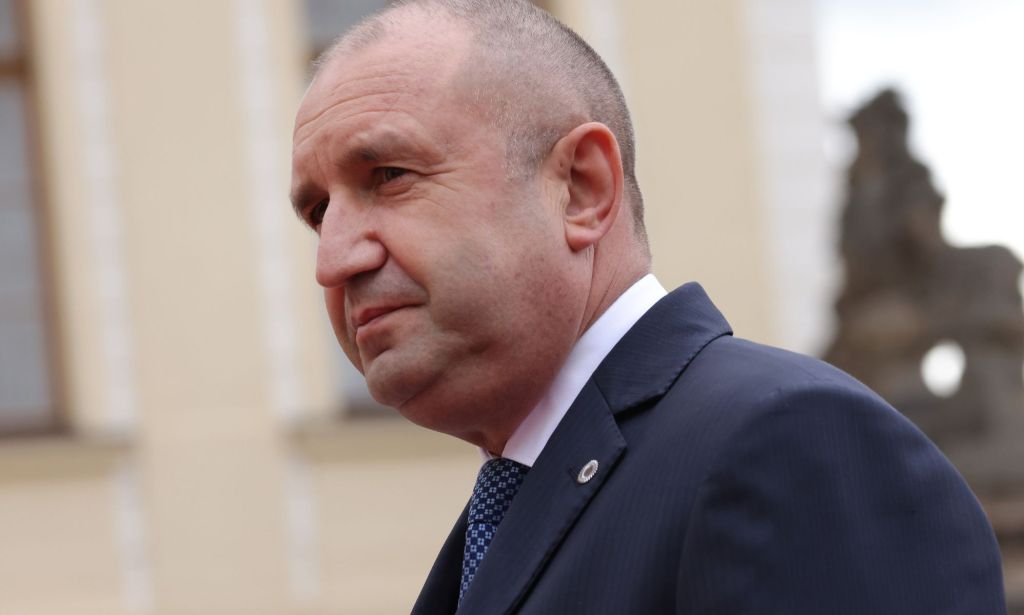
President Rumen Radev followed in Russia’s footsteps. (Getty)
Bulgaria’s track record of LGBTQ+ rights over the past few years has been poor, and the government is continuing its efforts to make things harder for the community.
President Rumen Radev followed in Russia’s footsteps by signing into law a bill prohibiting so-called LGBT propaganda in schools. The legislation was approved by 135 votes to 57 in parliament and took effect in August.
Same-sex marriage, gender-affirming care and the right to legally change gender are all illegal.
Ghana
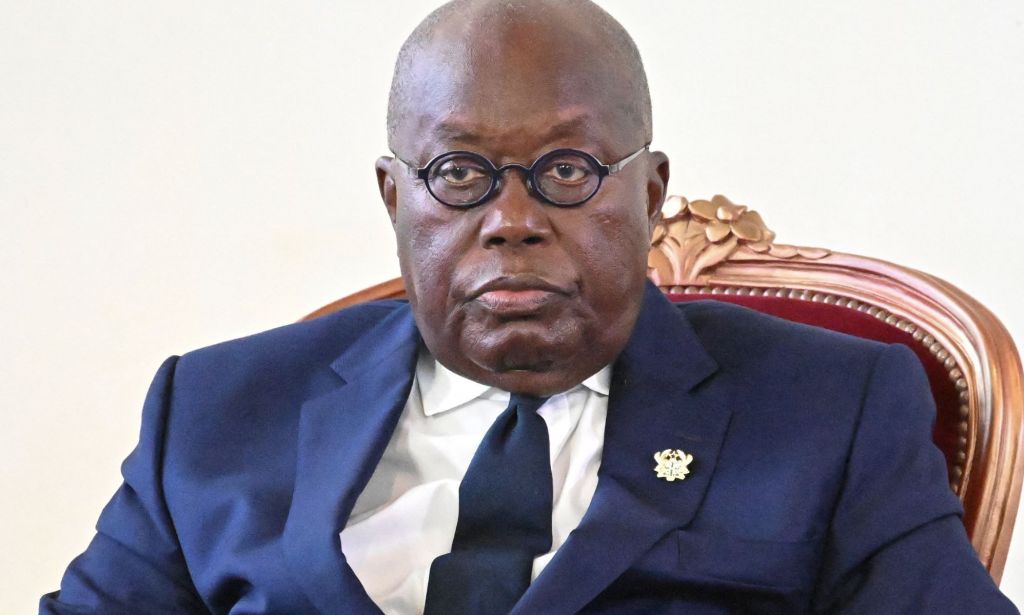
President Nana Akufo-Addo is stepping down. (Getty)
In February, the Ghanaian government approved a sweeping law that outlawed identifying as LGBTQ+ and campaigning for queer rights.
Dubbed the Human Sexual Rights and Ghanaian Family Values Bill, the lawimposed a prison sentence of up to three years for those convicted, while anyone found guilty of LGBTQ+ advocacy campaigns aimed at under-18s could face 10 years in jail.
President Nana Akufo-Addo is due to step down following elections last week, having served his permitted two terms. He is set to be replaced by former president John Mahama, after rival, and vice-president,Mahamudu Bawumia conceded defeat.
The outlook for members of the LGBTQ+ community is unlikely to improve much, given that Mahama recently told clergymen that gay marriage and being transgender were against his religious beliefs.
“The faith I have will not allow me to accept a man marrying a man, and a woman marrying a woman,” he said, according to Reuters.
“I don’t believe anybody can get up and say I feel like a man although I was born a woman and so I will change and become a man,” he added.
However, he did not say whether he would sign the bill that would criminalise same-sex relations, being transgender and advocating for LGBTQ rights.
Kazakhstan
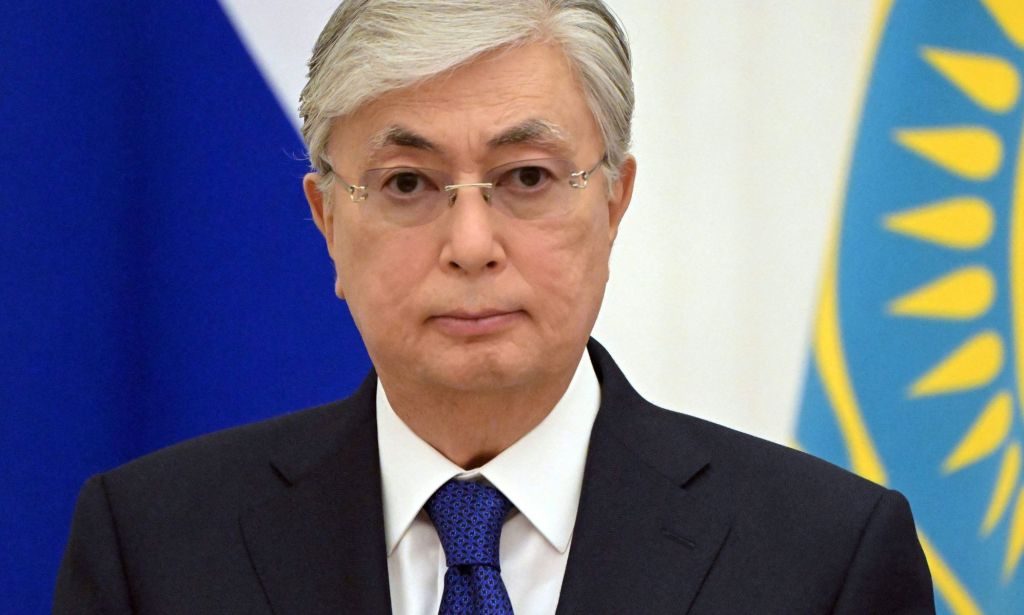
President Kassym-Jomart Tokayev signed a bill effectively preventing queer couple adopting. (Getty)
While same-sex sexual activity is legal in the central Asian country, LGBTQ+ people can donate blood, and there is an equal age of consent, gay marriages are not permitted and a large majority of the population don’t see homosexuality as justifiable.
And, in February, Kazakhstan president Kassym-Jomart Tokayev signed into lawa ban on adoption for anyone who does not adhere to a “non-traditional” sexual orientation, effectively making it impossible for queer couples to take in a child.
Iraq
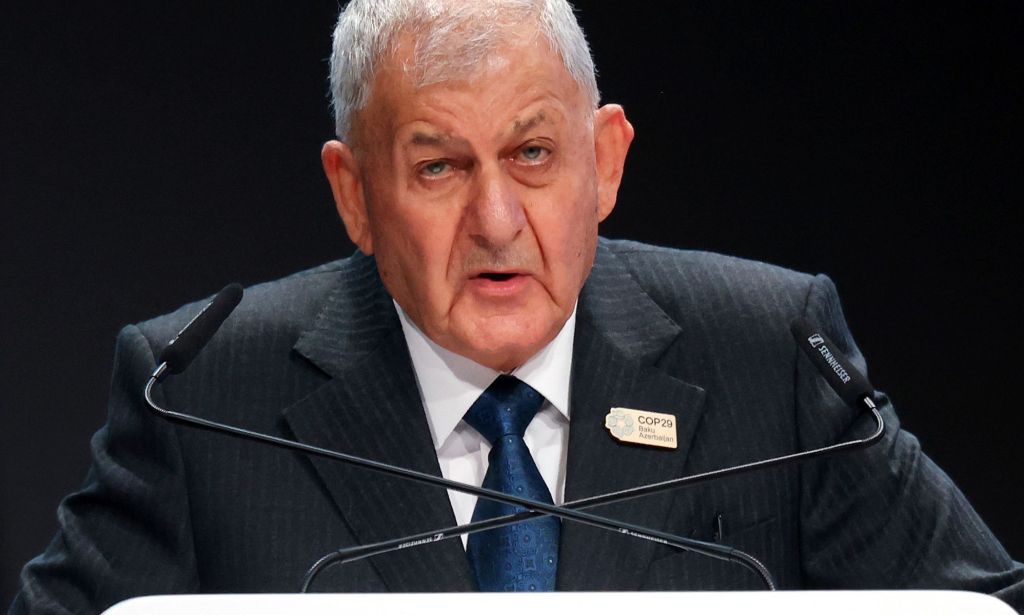
President Abdul Latif Rashid oversaw a tightening of laws against LGBTQ+ people. (Getty)
Iraq has long been considered one of the worst countries for LGBTQ+ people. But things became worse this year when homosexuality was codified as illegal.
The law, ratified by president Abdul Latif Rashid in June, specifically criminalised any practice of homosexuality and transsexuality, with a maximum of 15 years in prison for those convicted. The government also made it illegal to change gender markers on documents and banned gender-affirming care.
Human Rights Watch researcher Sarah Sanbar described the law was a “horrific development [and an] attack on human rights”.
United Kingdom
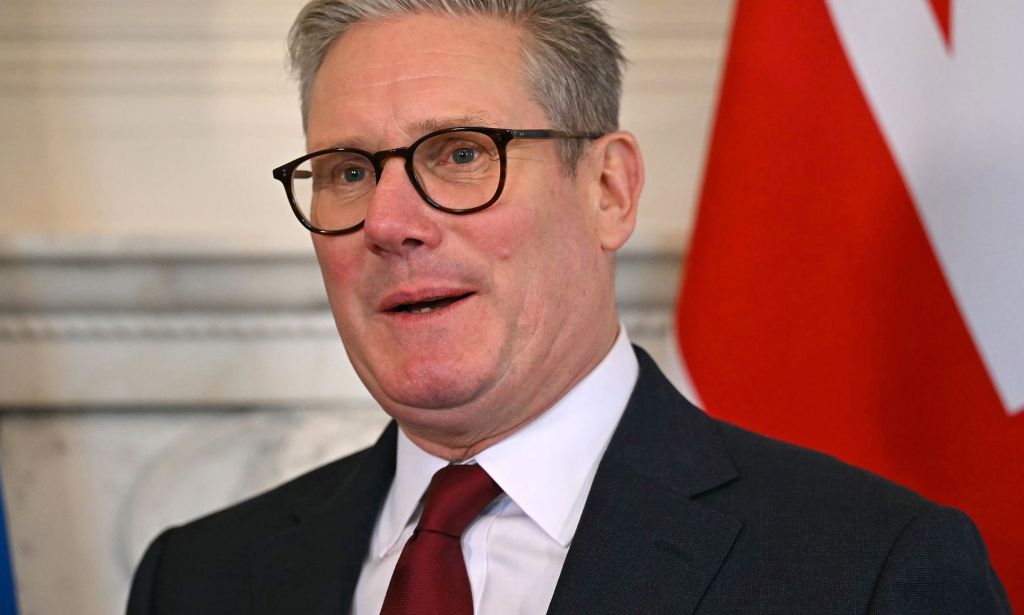
Keir Starmer hasn’t made life any easier for trans people in the UK. (Getty)
Despite the removal of the transphobic Conservative government in July, LGBTQ+ rights in the UK have not improved.
This was nowhere better represented than in ILGA-Europe’s annual Rainbow Map, which showed that Britain had plummeted the best place in Europe for LGBTQ+ rights in 2015, to sixteenth place today.
That fall wasn’t helped by the new government’s continued animosity towards transgender people. This year, health secretary Wes Streeting, who has said he does not believe trans women are women, extended a ban on puberty blockers for transgender under-18s, despite there being no definitive evidence that they are harmful.
And prime minister Keir Starmer’s record on LGBTQ+ rights is somewhat chequered. Soon after entering Downing Street, he told The Times that women who have not undergone gender confirmation surgery should not be allowed in female-only spaces, including toilets.
“They don’t have that right. They shouldn’t. That’s why I’ve always said biological women’s spaces need to be protected,” he said.
And, according to The Independent, he has said: “I’m not in favour of ideology being taught in our schools on gender.”
This fall, security forces in Belarus — the former Soviet republic and staging ground for Russian President Vladimir Putin’s invasion of Ukraine — raided the home of a gay couple in the Belarusian capital of Minsk and brutally beat them, according to reporting by the Associated Press.
The university students said the officers were transparent that the assault was inspired by similar treatment of the LGBTQ+ community in Russia.
“They slammed our heads against the door frame, threatened to report us to the university, and said that this was just the beginning,” said Andrei, 20, who asked to be identified only by his first name.
Security forces demanded that Andrei and his partner Sasha unlock their smartphones and reveal the names of “gays in Minsk and Moscow.”
“They wanted to expose an ‘underground network’ of gay people in Belarus, following the example of Russia,” Andrei said of the raid. “They openly told us that if it is banned in Russia, then it should be banned in Belarus, too.”
The state-sanctioned attack comes as the country’s authoritarian president, Alexander Lukashenko, pushes copycat legislation outlawing “LGBTQ+ propaganda” based on similar laws passed in Russia at Putin’s urging.
Like the Russian version of the law, the bill in Belarus will likely bar any endorsement of LGBTQ+ activities and “nontraditional” sexual relations.
Andrei and Sasha said if the bill becomes law, they’ll leave Minsk rather than “wait for a prison term.”
While Belarus decriminalized homosexuality in 1994 following the collapse of the Soviet Union, the deeply conservative country is in the throes of a violent backlash against the LGBTQ+ community at Putin’s urging, rights activists say.
Lukashenko “uses repressions against the LGBTQ+ community in order to gain some kind of praise from Russian authorities and shore up support among conservative residents of Belarus,” said Alisa Sarmant, coordinator for LGBTQ+ rights group TG House Belarus.
“To a large extent, it’s a carbon copy of what is happening in Russia, but in Belarus, all these discriminatory practices take on uglier and harsher forms,” Sarmant said.
At least 32 people have been detained and beaten in seven Belarusian cities in the last three months, according to rights organizations, including 10 transgender or nonbinary individuals and activists. Several remain in custody facing charges of “disseminating pornography,” punishable by up to four years in prison. Others were forced to emigrate.
The Belarusian dictator and his allies have made their enmity for the LGBTQ+ community clear in both words and deeds.
“We will also need to take similar measures,” said Natalya Kochanova, Lukashenko’s closest adviser and speaker of the upper chamber of parliament, speaking of Russia’s repressive laws.
“We have family values, traditions we pass from generation to generation — traditions of family, Orthodox Christianity,” she said, parroting Putin’s line of attack on the LGBTQ+ community.
Lukashenko, after Germany’s openly gay foreign minister called him “the last dictator in Europe” in 2012, replied, “Better to be a dictator than gay.”
“Intimidation, arrests, and blackmail have been used in Belarus for years to create a so-called ‘LGBTQ+ database’ and declare an entire social group dangerous,” according to Pavel Sapelka of the Viasna Center, a prominent rights group in the country.
In April, the Culture Ministry expanded its definition of pornography to include “nontraditional relations”; anyone possessing it faces criminal prosecution and a four-year prison term.
The balloting will be “a sham,” said exiled opposition leader Sviatlana Tsikhanouskaya of the upcoming election.
LGBTQ+ activist Sarmant says the effect of Belarus’ crackdown has been felt acutely by transgender people, who face “catastrophic shortages” of hormonal treatments, humiliating medical procedures, and prosecutions on political grounds.
In the last year, the government rejected over 80% of applications for trans people seeking official authorization for prescriptive and surgical healthcare or a change to their gender marker in official documents. Remarkably, both are still legal in Belarus. In 2022, 10% to 15% of applications were rejected.
Belarus is one of the most repressive regimes in the world, with about 1,300 political dissidents in prison. Lukashenko redoubled his efforts to quash dissent following his reelection in 2020, in what rights groups called a stolen victory. Over 65,000 Belarusians have been arrested based on their political activity over the last four years.
Stephen Fry has received a knighthood in the 2025 New Year Honours list.
The actor and author, who recently described Stonewall’s current LGBTQ+ campaigning as “nonsensical”, has received the New Year honour alongside the likes of the mayor of London Sadiq Khan and former England manager Gareth Southgate.
The 67-year-old was recognised for “devoting much time and effort in generating awareness of bipolar disorder, using his public platform to speak candidly about his own journey, undermining the taboo that has prevented many from seeking support”.
However, the news comes after Fry recently appeared to revoke his support of LGBTQ+ charity Stonewall, which was established as a charity for lesbian, gay and bisexual people but expanded its remit to include trans people almost a decade ago.
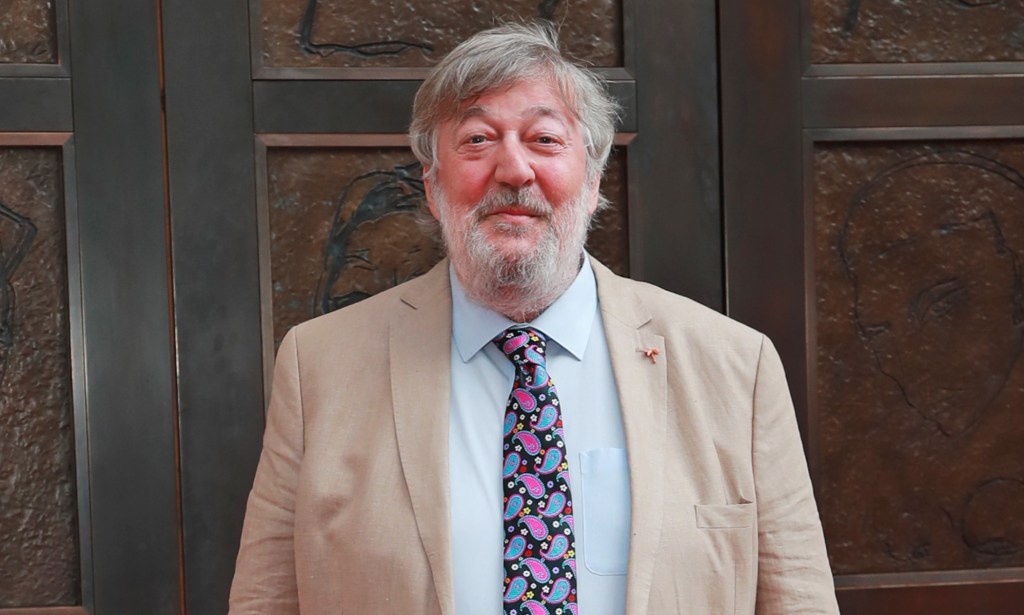
British actor, broadcaster, writer and comedian Stephen Fry. (Getty)
He was challenged over his support of the charity by host Konstantin Kisin, who read out a letter from ex-Stonewall employee turned critic Levi Pay and asked him how he could support the LGBTQ+ charity “in all conscience.”
“Do I? I am not sure I do support them,” Fry responded. He said previously supported the charity’s efforts to equalise the age of consent and legalise same-sex marriage but has “no interest in supporting this current wave of nonsensical [policies].”
Fry went on to further disavow Stonewall, describing the organisation as “shameful and sad” and “stuck in a terrible, terrible quagmire.”
Members of the trans community have since expressed their disappointment and anger over Fry’s comments. However, his comments have not come as a surprise to some, given his prior refusal to criticise JK Rowling’s contentious views on trans people.
You may like to watch
Fry was also described in the honours list as “one of Britain’s most highly regarded public figures”. He was noted as being the president of the charity Mind, and his involvement with the Terrence Higgins Trust for “raising awareness and funds for people living with HIV and AIDS”.
The newly elected chair of the Congressional Progressive Caucus said a combination of factors led to electoral losses for the party in November’s election, not least of which was being “seen as preachy” and “disconnected.”
Rep. Greg Casar of Texas, 35, is replacing outgoing chair Rep. Pramila Jayapal (D-WA), who is term-limited in the post. The Texas native and son of immigrants from Mexico was a labor organizer and Austin City Council member before winning a second term in the House last month.
Casar called Democrats’ losses in the election “avoidable.”
“The progressive movement needs to change,” he told NBC News in an interview on Wednesday before his election to chair the influential caucus. “We need to re-emphasize core economic issues every time some of these cultural war issues are brought up.”
“So when we hear Republicans attacking queer Americans again, I think the progressive response needs to be that a trans person didn’t deny your health insurance claim, a big corporation did — with Republican help,” Casar said. “We need to connect the dots for people that the Republican Party obsession with these culture war issues is driven by Republicans’ desire to distract voters and have them look away while Republicans pick their pocket.”
And he asserted Democrats can do it “without throwing vulnerable people under the bus.”
That response may have been in answer to his colleagues Rep. Seth Moulton (D-MA) and Rep. Tom Suozzi (D-NY) laying blame for Democrats’ losses in part on Vice President Kamala Harris’ stance on trans rights.
Kentucky Gov. Andy Beshear also recently backed away from his support of health care for trans inmates — mandated by the Eighth Amendment to the Constitution barring cruel and unusual treatment of prisoners.
During the election, Republicans spent over $215 million on attack adshighlighting the Democrats’ and their standard bearer’s support of trans rights.
“It’s less of a left-right fight and more of a getting back to a Democratic Party that’s for everyday people, no longer being seen as preachy or disconnected,” Casar said.
“I think we should lead the country, but we should never be more than an arm’s length ahead,” Casar said. “If we get more than a couple arms lengths ahead of the country, then you’re vulnerable to attacks from the Republicans.”
Casar maintained part of his party’s strategy to reconnect with the working class would mean an effort to “shed off some of its more corporate elements” that have blurred the distinction between Democrats and Republicans.
“The core of the Republican Party is about helping Wall Street and billionaires. And I think we have to call out the game,” Casar said. “The Democratic Party, at its best, can hold people or can have inside of its tent people across geography, across race, and across ideology. Because we’re all in the same boat when it comes to making sure that you can retire with dignity, that your kids can go to school, that you can buy a house.”
Casar said Republican calls to extend President Trump’s massive tax cuts, set to expire in 2025, will be one of the first of many opportunities to distinguish between the two major parties.
In the week ending December 21, there was nearly three times as much Covid-19 circulating in the US than there was during the week ending December 7, CDC data shows.
This surge happened in all regions of the country, but there has been a particularly sharp uptick in the Midwest, where Covid-19 levels are nearly twice as high as they are in other parts of the country.
Some experts worry that the rapid rise after an unusually long lull could have left many people vulnerable to disease spread at the height of the holiday season.
The director of a Russian travel agency arrested last month on charges of international LGBT extremism died yesterday while in custody in Moscow, OVD-Info reports.
Andrei Kotov, 48, was found dead around 4 a.m. on Sunday at the Vodnik pretrial detention center, where he was awaiting trial on charges of supporting an international LGBT extremist terrorist movement. Leisan Mannapova, Kotov’s lawyer, confirmed her client died by suicide. His body was discovered in his cell covered in blood, and “cuts were found” on his body, an internal source told RIA Novosti.
Kotov ran Men Travel, a travel agency reportedly catering to gay men. He had recently concluded a cruise along the Volga River and was planning a trip to Egypt to ring in the New Year at the time of his arrest.
Security forces arrested Kotov on Nov. 28 but it was not made public until two days later. Video of the arrest posted to multiple Telegram channels shows the muscled Kotov shirtless with his hands cuffed behind his back. Kotov testified at a court hearing earlier this month that he was beaten and threatened with a stun gun if he did not confess his alleged crimes during the arrest.
“About 15 people came to me at night, they beat me, hit me in the face, on the legs, left bruises,” Kotov said at a detention hearing on Dec. 2, Zona Mediareported at the time. “I did not offer any resistance. I was extremely surprised by this procedure.”
He told the court he was beaten by two masked men who demanded he confess to LGBT extremism. Kostov said one man punched him in the face while the second man threatened him with a stun gun. When he insisted the tours were not LGBT-centric, Kostov said he was escorted to the kitchen where he was told to say hello to the man’s “brothers in the regiment.”
Kotov also claimed a television reporter and camera person were on hand to ask questions on video without his permission.
At court, Kotov continued to deny the tours were aimed at gay men. He instead claimed the Volga River cruise was mainly about fishing and sightseeing.
“Our only appeal was that there are interesting museums, interesting hotels,” Kotov testified. “All this information was only of a tourist nature.”
Judge Kristina Kostryukova denied release for Kotov over his lawyer’s objections, who noted he was a vegetarian with a high caloric intake.
The arrest and death of Kotov comes as part of a larger crackdown on the LGBTQ+ community by the Russian government under President Vladimir Putin.
Last month, Putin signed two new laws outlawing the promotion of non-traditional families and the adoption of Russian children by foreign nationals from countries that recognize a person’s right to gender-affirming care.
The adoption law effectively prohibits citizens of Australia, Austria, Argentina, Belgium, Britain, Canada, Denmark, Estonia, Finland, Germany, Iceland, Italy, Norway, Spain, Switzerland, and other countries from adopting children from Russia or taking guardianship over them. Citizens of the U.S. were banned from adopting Russian children in 2012.
The second law bans what it terms “childfree propaganda” that promotes non-traditional families as a positive environment for children. Media companies and social media sites will be required to monitor content to ensure compliance with the law. An exemption would be made for positive portrayals of a monastic life that included celibacy.
In December of 2022, Putin signed a law strengthening a ban on LGBTQ “propaganda” in Russia and making it illegal to promote same-sex sexual relations or suggest non-heterosexual attractions are “normal.” Individuals can be fined up to 400,000 rubles ($6,370) for “LGBT propaganda” and up to 200,000 rubles ($3,185) for “demonstrations of LGBT and information that encourages a change of gender among teenagers.” The fines increase to 5 million rubles ($80,000) and 4 million rubles ($64,000) respectively for legal entities.
“The help of such specialists is necessary if a person wants to recover from frigidity, impotence, or such violations of sexual behavior as fetishism, masochism, and sadism,” the Duma reported in its official newspaper at the time.
An employee of the Central Station gay bar said police raided Club Secret, Mono Bar, and Hunters Party in Moscow, the local group SOTA reported on its Telegram channel. A fourth establishment, an unidentified gay sauna, was also raided, according to Novaya Gazeta. Video posted to social media shows a strong police presence outside one of the venues.
If you or someone you know needs mental health resources and support, please call, text, or chat with the 988 Suicide & Crisis Lifeline or visit988lifeline.org for 24/7 access to free and confidential services. Trans Lifeline, designed for transgender or gender-nonconforming people, can be reached at (877) 565-8860. The lifeline also provides resources to help with other crises, such as domestic violence situations. The Trevor Project Lifeline, for LGBTQ+ youth (ages 24 and younger), can be reached at (866) 488-7386. Users can also access chat services at TheTrevorProject.org/Help or text START to 678678.
Ohio’s Secretary of State Frank LaRose has changed the state’s candidate declaration forms to help prevent a repeat of earlier this year when a trans candidate was disqualified after failing to list her deadname.
While Joy was upset about the forced outing of her deadname, she was more upset that she was not informed of the requirement at the time she submitted her petitions.
“Something that is that important should have been on the instructions,” Joy told the local ABC affiliate WEWS in January. “It should have been on the petition.”
“The new form does that, and it’s now available on our website for potential candidates to use if they decide to file a candidacy in 2025,” Dan Lusheck, a LaRose spokesperson, told Cleveland.com.
LaRose’s office has enlarged the space provided for a candidate’s name along with the instruction to “include all prior names used in the past 5 years” except those resulting from marriage.
Republicans were also impacted by the prior name requirement and sought to pass legislation before the holiday recess. Candidates would still be required to list any name changes within the last five years under the proposed legislation. However, the bill mandates “a space provided for the purpose” on the official declaration of candidacy form, much as LaRose has already accomplished.
The bill ultimately failed to pass before the holiday break.
Joy said in an interview that while she was encouraged others would not be unfairly disqualified by the prior name requirement, she was moving out of state with no plans of running for office.
“I’m not going to have to worry about it anymore,” Joy said.
Former President Jimmy Carter, the 39th U.S. president, will be remembered as a staunch LGBTQ+ ally, although it took him time to evolve on some issues.
The former president and Nobel Peace Prize winner died on Sunday after over a year in hospice care. He is the longest-lived U.S. president. He passed away at his home in Plains, Ga. — the same house he and his wife, Rosalynn, who died last year, spent the majority of their lives, according to the Carter Center.
“Our founder, former U.S. President Jimmy Carter, passed away this afternoon in Plains, Georgia,” the center wrote on X, formerly Twitter.
“My father was a hero, not only to me but to everyone who believes in peace, human rights, and unselfish love,” said Chip Carter, one of the former president’s sons. “My brothers, sister, and I shared him with the rest of the world through these common beliefs. The world is our family because of the way he brought people together, and we thank you for honoring his memory by continuing to live these shared beliefs.”
LGBTQ+ rights group the Human Rights Campaign remembered Carter’s queer rights legacy in a statement on Sunday.
“All of us at the Human Rights Campaign feel an immense loss with the passing of former President Jimmy Carter,” said Kelley Robinson, president of the Human Rights Campaign. “In recent years, he became a prominent voice in support of LGBTQ+ rights, speaking out for marriage equality at a time when most national leaders in the U.S. still opposed it. For decades after he left the White House, he continued to make public service his enduring priority through his work with Habitat for Humanity and the Carter Presidential Center, cementing his reputation as a champion for human rights and as one of the all time great former presidents. We extend our deepest condolences to his family and all who mourn him.”
Carter was a devout Christian, but his faith did not include homophobia. In 2015, he said Jesus Christ would approve of marriage equality. Here’s a look his record on LGBTQ+ rights.
Carter’s administration was the first to welcome gay and lesbian rights activiststo the White House. He did not attend the meeting himself (he was at the presidential retreat, Camp David, at the time), but on March 26, 1977, two months into his presidency, representatives of what was then called the National Gay Task Force met with members of the administration. The session was organized by Carter aide Midge Costanza.
Attendees were asked to draft a white paper on an issue of importance to the community that would then be circulated to federal agencies. One of them, George Raya, wrote about health issues. He found out that hepatitis was the disease most affecting gay people at the time, and his paper led the federal government to fund a hepatitis research project in San Francisco, and a few years later it provided valuable information to AIDS researchers.
In 1978, Carter was in San Francisco campaigning for the reelection of Gov. Jerry Brown. In that same election, Proposition 6, also known as the Briggs Initiative, was on the California ballot, asking voters to bar gays and lesbians from teaching in the public schools. Former President Gerald Ford and future President Ronald Reagan had already spoken out against it, and Carter did so as well, albeit with a nudge from Brown. Urged on by the governor, Carter “leaned into the microphone, asking voters already inclined to check No on 6 to do so. The crowd roared its approval,” according to the Journal of Policy History.
Carter left the White House in 1981 after a single term, losing to Reagan amid economic problems and the Iran hostage crisis. With his work in international diplomacy and global human rights, plus his volunteer efforts for Habitat for Humanity and other organizations, Carter became known as the nation’s greatest ex-president. His advocacy for LGBTQ+ rights became stronger too.
In 2005, upon the publication of his book Our Endangered Values: America’s Moral Crisis, he gave an interview to The Advocate. Reporter Sean Kennedy said, “You’re a Christian, but you don’t have a problem with gay men and lesbians as many other Christians do. Why?” Carter responded, “I’m a worshipper of Jesus Christ, who never mentioned homosexuals in any way — certainly not in a deleterious fashion. And when it has been mentioned in the New Testament, it’s been combined with things like selfishness or something like that. So I’ve never looked upon it as any sort of reason to condemn a person. I think it’s an inherent characteristic just like other things that we do with our lives.”
He was not yet a supporter of national marriage equality, however. In 2006, speaking to an audience at Emory University, he said marriage rights should be decided state by state. “You can’t take away what people believe in, and laws should be based on what each state believes in,” he said, “because each one has their different beliefs.”
By 2015, though, when the Supreme Court’s Obergefell v. Hodges ruling took marriage equality nationwide, Carter approved and said it fit within his religious beliefs. “I think Jesus would encourage any love affair if it was honest and sincere and was not damaging to anyone else,” he said in a HuffPost Liveinterview. “And I don’t see that gay marriage damages anyone else. … I believe Jesus would approve gay marriage. That’s just my own personal opinion.”
He agreed that no church should have to perform a marriage it didn’t approve of, but he had also long advocated for greater acceptance within faith bodies. He left the Southern Baptist denomination in 2000 over what he called its “rigid” beliefs. Among other things, the church teaches that being LGBTQ+ is wrong, and it does not allow women to be ministers.
Carter spoke out for equal rights in the military as well. In 2007, he called for an end to “don’t ask, don’t tell.” “The nation’s commitment to human rights requires that lawmakers revisit ‘don’t ask, don’t tell,’ the current policy that prevents lesbians, gays, and bisexuals from serving openly in our armed forces,” he said in a statement issued through the Servicemembers Legal Defense Network. “‘Don’t ask, don’t tell’ is the only law in America today that regulates a group of citizens, then prohibits them from identifying themselves and speaking up on their own behalf. Gay soldiers, sailors, airmen, and marines are unable to tell their member of Congress or their commander that the policy is an abject failure, and they are living proof because they will face discharge. Those who defend our liberties and freedoms deserve better…. There are great differences in public opinion on social issues today compared to 20 years ago. When I served as president, the majority in our country did not support equality for gay Americans, but that has now changed.”
The policy ended in 2011 under President Barack Obama.
The Carter Center announced that public observances will be held in Atlanta and D.C. in addition to a private interment in Plains. The scheduling will be announced soon.
As this unprecedented year of change comes to an end, we at MAP are taking a look back at the laws and policies that directly impact the experiences of LGBTQ people across the country. Below, we offer an overview of the major trends and biggest shifts from the past 12 months.
However, it is important to note that states that enacted a new anti-LGBTQ policy this year tended to enact more than one negative policy. Of the at least 18 states that enacted any new anti-LGBTQ policy this year, at least 13 enacted multiple anti-LGBTQ policies.
Unfortunately, New Hampshire followed this trend and became the first state in the Northeast to pass any explicitly anti-transgender law, including the enactment of a ban on medical care for transgender youth, a ban on transgender youth playing sports, and a curriculum censorship law.
At least 18 states* enacted new anti-LGBTQ laws or policies in 2024:
Alabama, Arkansas, Florida, Idaho, Iowa, Louisiana, Mississippi, Missouri, Montana, New Hampshire, Ohio, Oklahoma, South Carolina, Tennessee, Texas, Utah, West Virginia, Wyoming
At least 13 states* enacted new pro-LGBTQ laws or policies in 2024:
California, Colorado, Hawaii, Kentucky, Maine, Maryland, Massachusetts, Michigan, New Jersey, Pennsylvania, Rhode Island, Virginia, Washington
* Note: these lists reflect issues tracked by MAP’s Equality Maps, covering 50+ policies. States may have enacted additional anti- or pro-LGBTQ laws or policies not included here.
In 2024, attacks on transgender health care continued to escalate, particularly via far-reaching attacks on public funding.
Public funding or coverage of transgender related health benefits
Idaho and South Carolina both enacted total bans on public funding for the provision of best practice medical care for transgender people of any age — effectively ending coverage of this medical care for state employees and their families, for state residents on Medicaid, and in numerous other settings.
Bans on medical care for transgender youth
New bans were enacted in four states (Ohio, Wyoming, South Carolina, and New Hampshire). Today 40% of all transgender youth in the country live in states with these bans. However, there were also multiple important wins for transgender medical care, including but not limited to:
In Kansas, the governor vetoed such a ban for the second time in as many years.
Proposed regulations that would have severely restricted access to care for transgender adults in Ohio were withdrawn after significant community and advocacy efforts.
There are ongoing lawsuits in at least 17 states of the 26 states with bans, including the current U.S. Supreme Court case.
“Shield” or “refuge” laws protecting transgender health care
New laws protecting both patients and providers of transgender-related medical care were enacted in three states (Maine, Maryland, and Rhode Island), bringing the total to 16 states and D.C. with a law or executive order to this effect.
At the beginning of last year (2023), 0% of transgender people lived in states with total bans on gender marker changes to driver’s licenses.
Today, 17% — or one in six transgender people — live in states that ban transgender people from accessing accurate licenses.
Gender marker changes on driver’s licenses
Arkansas, Missouri, and Montana enacted new and severe restrictions, a court ruling allowed Alabama to reinstate severe restrictions that had previously been ruled unconstitutional, and Florida and Texas enacted total bans.
However, new lawsuits were filed against anti-transgender driver’s license policies in Arkansas, Montana, and Tennessee. Additionally, Illinois residents were newly able to access “X” options on their driver’s licenses in 2024.
Gender marker changes on birth certificates
Massachusetts and Illinois eliminated medical documentation requirements for gender marker changes. Massachusetts introduced new “X” options, while West Virginia banned the use of “X” options.
In addition, in 2024 at least three states (Florida, Montana, and Texas) enacted new total bans on gender marker changes on birth certificates, doubling the number of states with total bans and now, covering 19% of transgender adults.
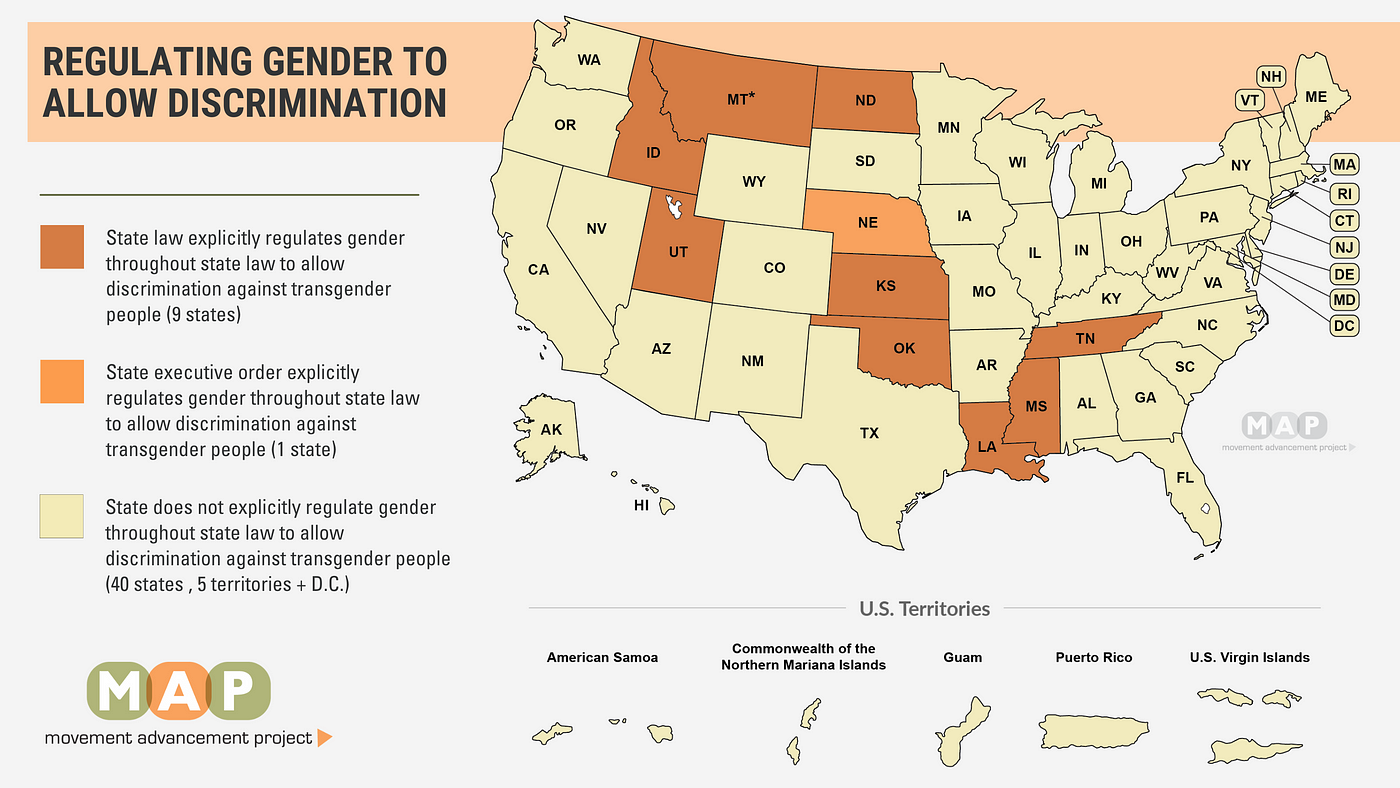
Regulating Gender to Allow Discrimination
In 2024, five states passed new laws regulating gender by defining “sex” throughout state law. Importantly, three of the five new laws also contained an explicit bathroom ban, which suggests that similar combination bills might be more common in 2025.
Five states (Idaho, Louisiana, Mississippi, Oklahoma, and Utah) enacted new laws defining “sex.” As a result, now 10 states have a law or executive order regulating gender, and in states like Kansas, Montana, and others, these laws have been used to force other anti-LGBTQ policies like total bans on gender marker changes on identity documents.
However, in 2024, the governor of Arizona vetoed a similar law, and Montana’s 2023 gender regulation law was ruled unconstitutional, though the lawsuit is ongoing.
Equality Map: Regulating Gender to Allow Discrimination (via MAP)
Strengthening Marriage and Pathways to Parentage
For many LGBTQ+ families, the recent election has brought up new concerns about the safety of our marriages and parental rights. In 2024, advocates worked to advance a number of key laws and policies that directly impact the lives of same-sex couples, LGBTQ+ parents and their children.
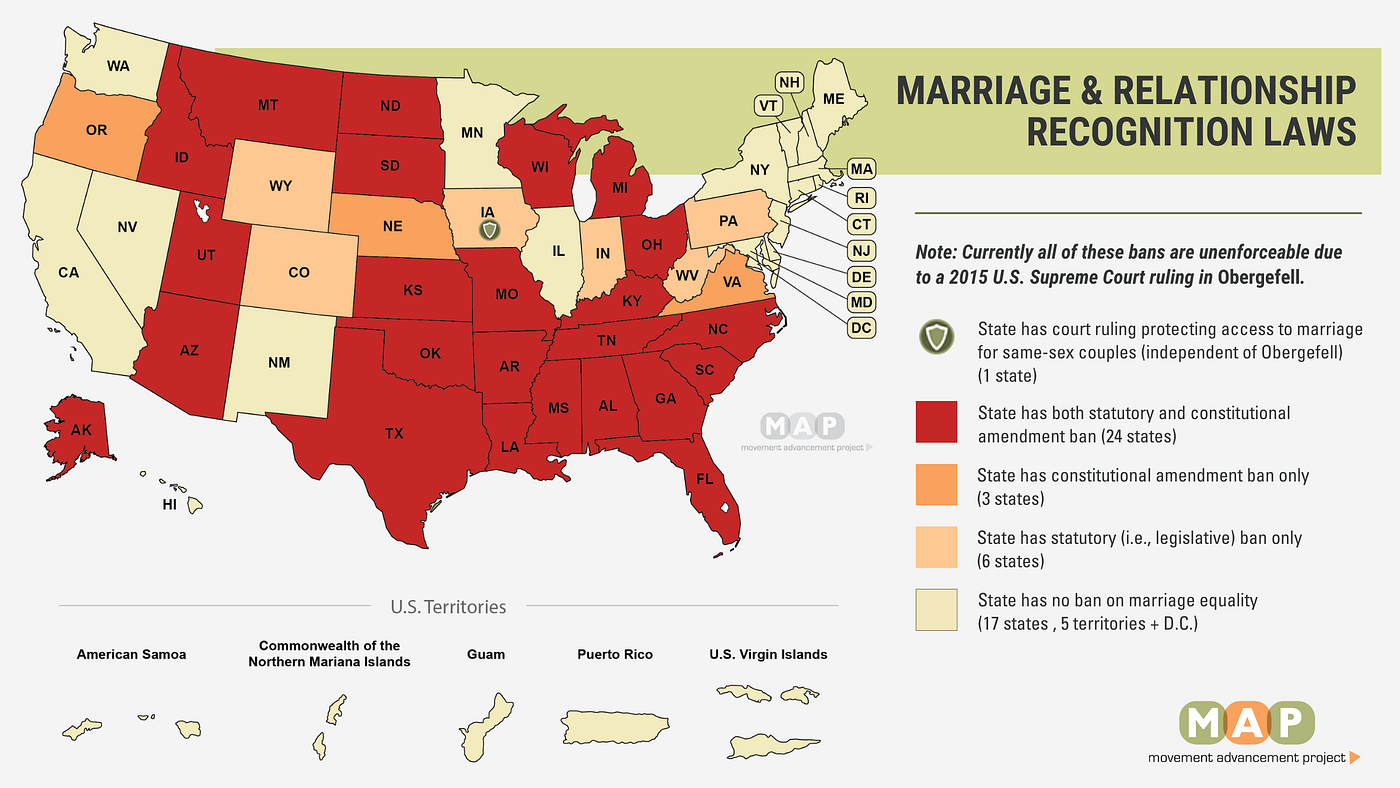
In November, three states (California, Colorado, and Hawaii) all repealed their outdated and discriminatory constitutional amendments banning marriage equality. Read more of our analysis here.
In Virginia, the Republican governor signed a law making it illegal to deny a marriage license to a couple regardless of either person’s race, sex, or gender. It also requires the state to recognize lawful marriages regardless of the parties’ race, sex, or gender. While the state’s now-unenforceable constitutional amendment banning gay marriage remains on the books, this new law is an important, explicit recognition of legal marriages.
School Based Policies
In 2024, efforts to erase LGBTQ youth from public life continued via a range of tactics, including making it illegal to talk about LGBTQ people or support LGBTQ students, banning books that mention LGBTQ issues, preventing transgender youth from playing sports with their friends, and more.
Bans on transgender kids playing school sports
Two new states (Ohio and New Hampshire) enacted bans on transgender youth playing school sports according to their gender identity. Today, 26 states have a sports ban on the books, affecting 38% of transgender youth.
Three new states passed LGBTQ-specific curriculum censorship laws in 2024, with Louisiana becoming the 8th state with a “Don’t Say LGBTQ” law. Wyomingand New Hampshire enacted new laws requiring schools to notify parents in advance of LGBTQ-related content and either requiring parents to opt their children in to that instruction (Wyoming) or allowing parents to opt their children out (New Hampshire).
Washington became the seventh state to explicitly require that state curricular standards include LGBTQ people and history. In addition, in 2024, a new lawsuit was filed challenging Montana’s curriculum censorship law from 2021, and in Florida, an important settlement was reached that narrowed the harm of the state’s “Don’t Say LGBTQ” law.
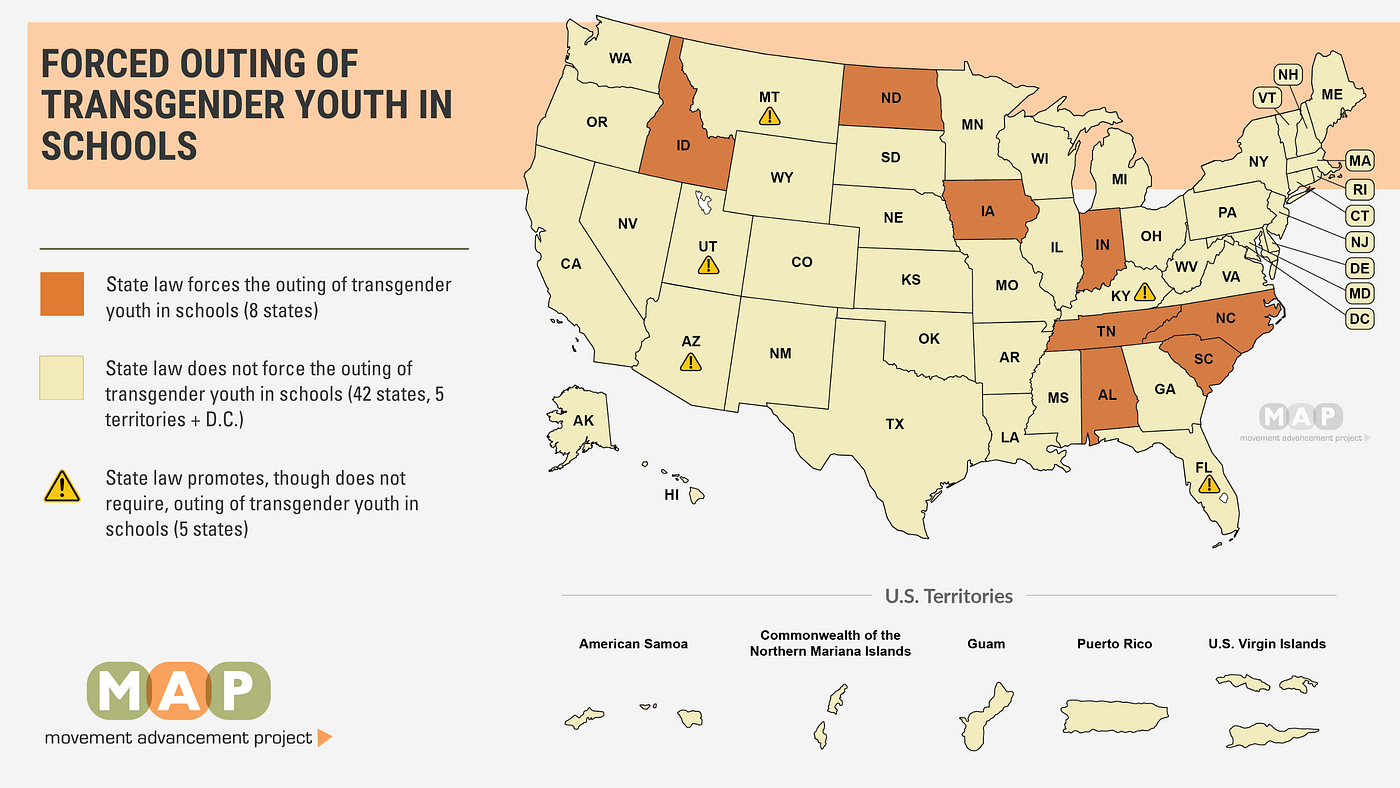
Forced or encouraged outing of transgender youth in schools
Three new states (Idaho, Tennessee, and South Carolina) enacted laws endangering transgender youth in schools by potentially forcing their outing.
Equality Map: Forced Outing of Transgender Youth in Schools (via MAP)
Bathroom Bans
In 2024, new bathroom bans were enacted in six states: Alabama, Louisiana, Mississippi, Ohio, South Carolina, and Utah. As a result, 14 states now have these bans of varying scope; all of these bans apply to K-12 school settings, and half apply more broadly to other government or publicly-owned settings.
This year, there were multiple efforts to expand state religious exemption laws that create carveouts or exceptions to existing laws for those seeking exemptions from state laws that burden their religious beliefs.
In 2024, Idaho enacted a targeted religious exemption for both child welfare service providers and mental health providers.
Bringing the total to 27 states, Iowa and Utah each enacted a broad “Religious Freedom Restoration Act” (RFRA) in 2024.
Tennessee became the first since 2016 to enact a religious exemption law for public officials solemnizing marriages.
Other Positive Developments
Nondiscrimination Laws
While Maryland already had LGBTQ-inclusive protections in many key areas, a new 2024 law added explicit LGBTQ protections to the state’s laws for nondiscrimination in:
Private health insurance
Credit and lending
Jury service
Conversion “therapy”
Two states took action to limit the dangerous and discredited practice of conversion “therapy.”
In Pennsylvania, five relevant state administrative boards adopted new policies effectively prohibiting the use of conversion “therapy” statewide.
Kentucky’s governor issued an executive order partially banning the practice by prohibiting the use of state funds, among other directives.
Insurance coverage of fertility treatment and preservation
California and New Jersey passed new laws mandating that private insurers cover fertility treatment care (such as IVF) and the new requirements are also explicitly LGBTQ inclusive.
Massachusetts passed a new law mandating that private insurers cover fertility preservation (such as egg retrieval), including storage.
Gay panic defense
Michigan and Minnesota joined 18 other states and the District of Columbia, becoming the latest states to ban the use of LGBTQ panic defenses in courtrooms.