Prosecutors had asked Clark County Judge David Gregerson to order no bail, or a minimum $6 million bail, for David Bogdanov, of Vancouver, but the judge said the lower amount was appropriate because Bogdanov has no prior criminal history.
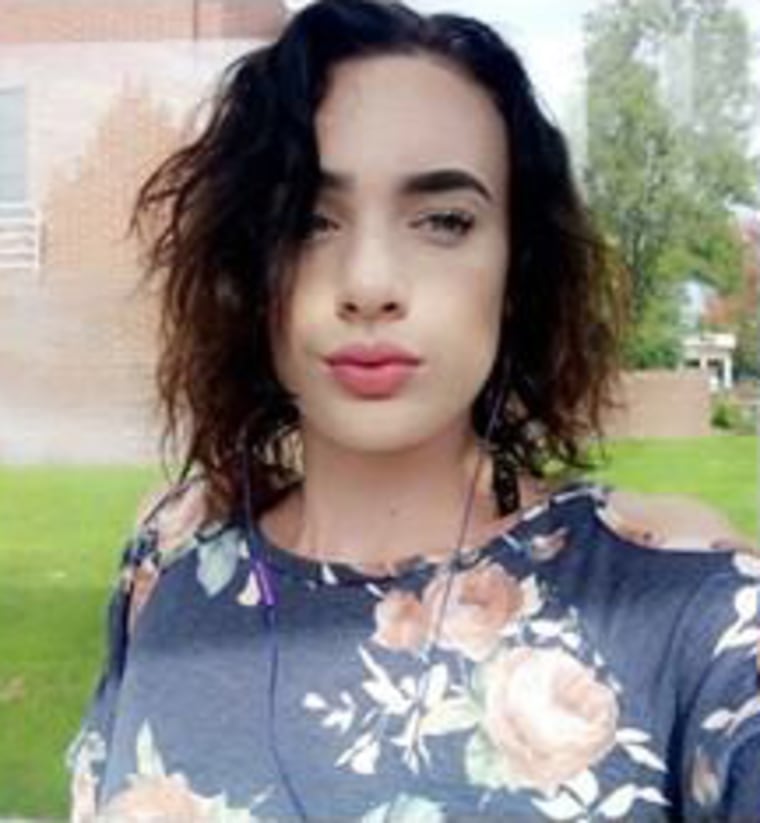
Nikki Kuhnhausen.Vancouver Police Dept.
Bogdanov, 25, was arrested Dec. 17 and charged with second-degree murder in the death of 17-year-old Nikki Kuhnhausen.
Kuhnhausen disappeared June 6 and her remains were discovered in a remote area of Larch Mountain on Dec. 7 by someone gathering bear grass.
Prosecutors recently added a hate crime charge because they believe Bogdanov strangled Kuhnhausen after learning she was transgender, The Columbian newspaper reported.
A large crowd turned up for the bail hearing and rallied outside the courthouse to show support for Kuhnhausen’s family and to raise awareness of the dangers that face transgender youth. So many people attended the hearing that some had to watch the hearing from a second room through a closed-caption TV system.
Hundreds of people also attended a Dec. 20 vigil for the teen at Vancouver United Church of Christ in Hazel Dell.
In court documents, Vancouver police say Kuhnhausen and Bogdanov met in downtown Vancouver on June 6 and he and his brothers invited her to a bar for a drink. Bogdanov told detectives he gave her his coat because she was cold and after one drink, he let her keep what was left in a bottle of vodka before she returned home.
Kuhnhuasen did go home, but went out again to meet Bogdanov several hours later. At some point, court documents say, she told Bogdanov she was assigned male at birth.
In an Oct. 2 interview with police, Bogdanov said at that point he asked Kuhnhausen to get out of his van and he never saw her again.
He told detectives he was “shocked,” “uncomfortable,” and “really really disturbed” to learn that Kuhnhausen was transgender, according to the affidavit. Detectives wrote in court documents that they believe that is when Bogdanov killed the teen.
Cell phone records show Bogdanov was in the Larch Mountain area later in the day on June 6.
A medical examiner ruled the teen’s cause of death was asphyxiation.
Giaura Fenris, a transgender woman, was on the dating app Grindr looking for people to chat with and meet when a user whose profile picture was of a cute nurse messaged her. After some pleasantries, however, Fenris realized the hunky health professional wasn’t there for a hookup.
She said he asked her “a couple of questions, nothing too invasive” and then revealed he was an employee at a nearby health clinic in Brooklyn, where she lives. He then offered her a sexually transmitted infection testing appointment and help getting health insurance.
“I was like, ‘Oh, that’s great. Please sign me up right away,’” Fenris told NBC News.
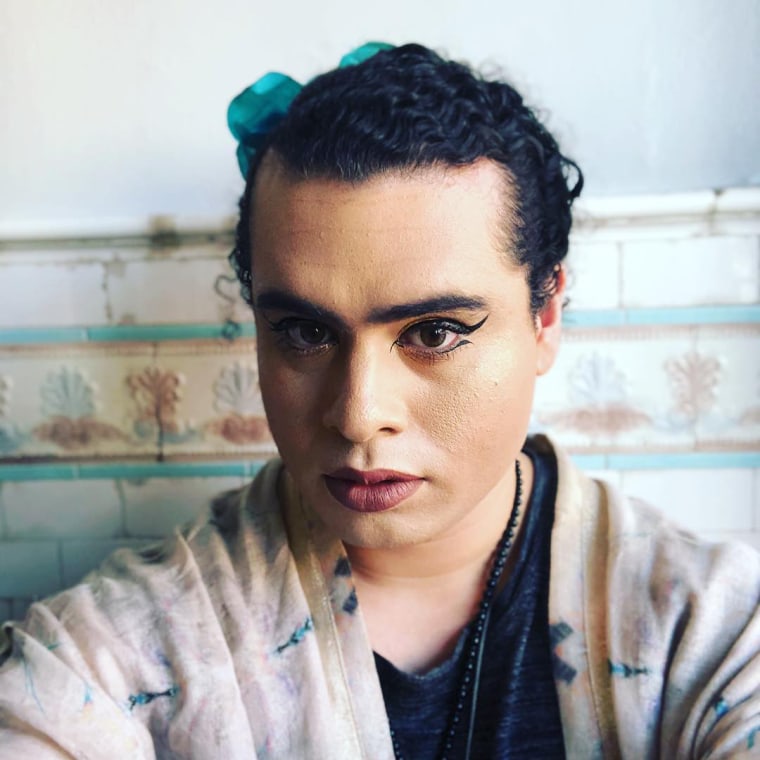
Giaura Fenris.Courtesy Giaura Fenris
Wyckoff Heights Medical Centeris thought to be the first health center in New York City — and perhaps beyond — to incorporate gay dating apps such as Grindr, Jack’d and Scruff into its sexual health efforts. The center’s method differs from the usual sexual health advertisements one can see on the apps. Staffers interact with other users with their own account like a regular user would — except they offer sexual health services. The center says the innovative approach is working: Since its launch in 2016, the program has attracted more than 300 clients to the facility.
Most of these clients are black and Hispanic gay men and trans women, groups that are disproportionately affected by HIV. Gay and bisexual men comprised 70 percent of the new HIV diagnoses in the U.S. in 2017, and of those gay and bisexual men diagnosed with HIV, 37 percent were black and 29 percent were Hispanic, according to the Centers for Disease Control and Prevention.
The program’s launch
The program was started by Anton Castellanos-Usigli, who had just finished his master’s degree in public health at Columbia University when in 2015 he was recruited by Wyckoff Heights Medical Center.
“The center hired me precisely because they wanted to increase the number of gay and bisexual Hispanic clients,” Castellanos-Usigli, who had migrated from Mexico in 2013, said. This client population, he added, “is one of the populations who needed these services the most.”
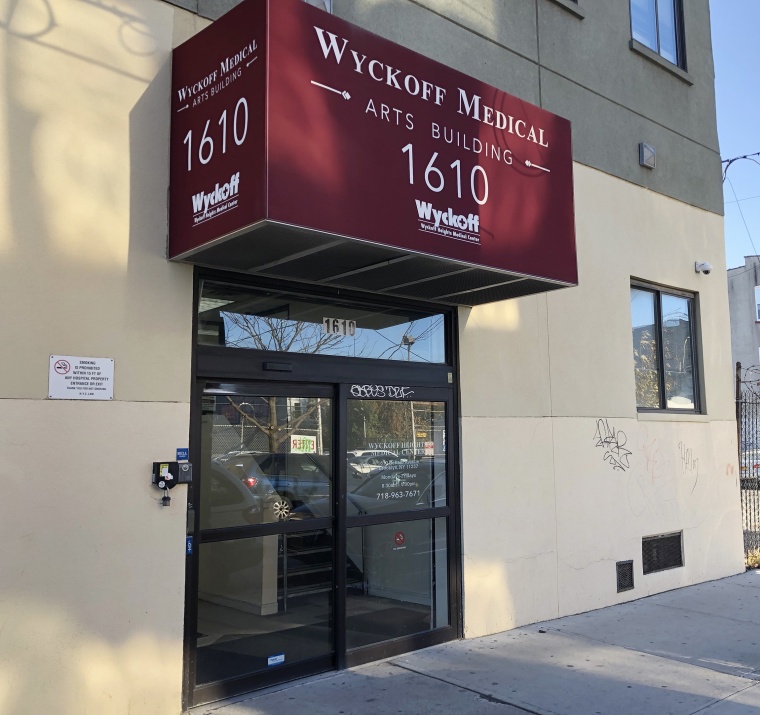
Wyckoff Heights Medical Center in Brooklyn.Arno Pedram
Shortly after being hired, Castellanos-Usigli recalls thinking to himself, “You are young, you’re Hispanic yourself, where do you talk to other gay guys about sex? Grindr!”
So in February 2016, he created a profile with the image of a good-looking nurse in medical clothing and started to chat with people on Grindr. After opening up with pleasantries, he shifted the conversation to offering sexual health services.
Andrew Gonzalez, a program manager at the center, said responses vary from those “who are very grateful” for getting health information and a clinic appointment through the app to those who are disappointed the cute nurse isn’t a potential date.
“Sometimes people aren’t quite ready to receive the information and pursue testing services,” Gonzalez said.
However, Gonzalez said, oftentimes those who are successfully contacted through gay dating apps go on to tell their friends about the center’s services.
“So, essentially, we’re providing these people the tools … to educate and inform other community members about services,” he said.
‘We have to treat the whole person’
Through Grindr and other gay dating apps, the center brings clients into its Status Neutral program, which aims to keep HIV-positive patients at an untransmittable viral load and protect HIV-negative patients against infection through condoms, regular testing and PrEP or preexposure prophylaxis.
Since its launch, the center has standardized the practice and tracked its results. Between 2016 to 2018, the strategy attracted 233 new clients — 67 percent of them Hispanic, 17 percent black and over half uninsured, according to Castellanos-Usigli. He said a higher-than-average percentage (5 percent) of these new clients were diagnosed with HIV, and they were connected with medical care. More than 60 percent of the 233 new clients, he added, were referred to PrEP for HIV prevention. Twenty-nine patients received personalized cognitive counseling, an evidence-based intervention to reduce risks for gay and bisexual men who have casual sex without condoms.
“A lot of times, people come in for testing, and they have greater needs than testing,” Laurel Young, the program’s interim director, said. “If we treat a person … we have to treat the whole person, not just the symptoms.”
Young said the facility’s Status Neutral program combines traditional medical care with help in navigating health insurance, employment, job access, housing and legal support. That way, she added, patients can address other factors such as poverty, immigration status or homelessness that have an impact on their health.
When Fenris, now 30, first walked into the center in February 2017, she was burdened by several issues that were negatively affecting her physical and mental health. She moved to New York the year prior to escape a living situation in another state that she said was stifling her transgender identity, and she had just had an incident with a hookup that led her to start post-exposure prophylaxis (PEP), a one-month treatment to resist HIV infection right after potential exposure. She also had a history of depression for which she had stopped taking medication, and she was about to lose her insurance.
During her first visit to Wyckoff Heights Medical Center, staffers tested Fenris for HIV, started her on HIV-prevention medication, helped her find new insurance and referred her to mental health services. The center also helped her create a plan to secure financial stability and manage her increased rent payments.
‘Cultural competency and humility’
Wyckoff Heights Medical Center serves a diverse and at-risk population, and because of this, staffers say hiring and training decisions are crucial.
“Having staff members that identify with populations we serve accompanied with cultural competency and humility trainings help best serve the population to decrease stigma,” Gonzalez said.
This was part of the reason the center hired Castellanos-Usigli back in 2015 — and Fenris last year. Fenris, a trans Latinx, was hired by the center in May 2018 as a consultant and peer educator. She works within the clinic’s Substance Abuse and Mental Health Services program and its Status Neutral program, ensuring patients are getting the care they need.
“Today, I made sure that a trans patient had a gender-affirming procedure, that they were referred to with their pronouns, that they go to their appointments and helped setting up transportation,” Fenris said recently.
Trans people in particular face barriers in health care: A 2016 studyon the barriers to transgender health care in New York found 48 percent of trans respondents “felt that the organizations that provided the care they needed were not transgender sensitive.”
Wyckoff’s commitment to being accessible, culturally sensitive and having a diverse staff representing the community it serves addresses those barriers head on.
Since Wyckoff Heights Medical Center launched its innovative program in early 2016, at least one other community health clinic has launched a similar program. CAMBA, in Brooklyn, has seen similar success using gay dating apps to reach individuals at high-risk of HIV infection: From 2017 to 2018, 65 percent of its clients linked to PrEP or PEP services were reached through apps apps like Grindr.
Castellanos-Usigli believes his data “speaks to the power that this strategy has” and he hopes to convince other agencies to adopt it.
Leaders of the United Methodist Church, the second-largest Protestant domination in the nation, announced on Friday a plan that would formally split the church after years of division over same-sex marriage.
Under the plan, which would sunder a denomination with 13 million members worldwide, a new “traditionalist Methodist” denomination would be created, and would continue to ban same-sex marriage as well as the ordination of gay and lesbian clergy.
A separation in the Methodist church had been anticipated since a contentious general conference in St Louis last February, when 53 percent of church leaders and lay members voted to tighten the ban on same-sex marriage, declaring that “the practice of homosexuality is incompatible with Christian teaching.”
The plan, referred to as “Protocol of Reconciliation & Grace Through Separation,” would need to be approved by the 2020 General Conference later this year before taking effect.
The church hopes that by splitting into two denominations, it can end or greatly reduce its decades-long struggle over how accepting to be of homosexuality.
“It became clear that the line in the sand had turned into a canyon,” said New York Conference Bishop Thomas Bickerton, who was among the diverse group of 16 church leaders who worked on the proposal. “The impasse is such that we have come to the realization that we just can’t stay that way any longer.”
The past decade has seen a backlash against human rights on every front, especially the rights of women and the LGBT communities, according to a top U.N. human rights official.
Andrew Gilmour, the outgoing assistant secretary-general for human rights, said the regression of the past 10 years hasn’t equaled the advances that began in the late 1970s — but it is serious, widespread and regrettable.
He pointed to “populist authoritarian nationalists” in North America, South America, Europe and Asia, who he said are taking aim at the most vulnerable groups of society, including Myanmar’s Rohingya Muslims, Roma, and Mexican immigrants, as well as gays and women. He cited leaders who justify torture, the arrests and killing of journalists, the brutal repressions of demonstrations and “a whole closing of civil society space.”
‘I never thought that we would start hearing the terms ‘concentration camps’ again,’ Gilmour told The Associated Press in an exclusive interview. ‘And yet, in two countries of the world there’s a real question.’
He didn’t name them but appeared to be referring to China’s internment camps in western Xinjiang province, where an estimated 1 million members of the country’s predominantly Muslim Uighur minority are being held; and detention centers on the United States’ southern border, where mostly Central American migrants are being held while waiting to apply for asylum. Both countries strongly deny that concentration camp-like conditions exist.
FILE- In this Feb. 19, 2019, file photo, children line up to enter a tent at the Homestead Temporary Shelter for Unaccompanied Children in Homestead, Fla. The U.S. government didn’t have the technology needed to properly document and track the thousands of immigrant families separated at the southern border in 2018. That’s according to a new report by an internal government watchdog. (AP Photo/Wilfredo Lee, File)
Gilmour is leaving the United Nations on Dec. 31 after a 30-year career that has included posts in hot spots such as Iraq, South Sudan, Afghanistan, the Palestinian territories and West Africa. Before taking up his current post in 2016, he served for four years as director of political, peacekeeping, humanitarian and human rights affairs in former Secretary-General Ban Ki-moon’s office.
Despite his dim view of the past decade, Gilmour — a Briton who previously worked in politics and journalism — said he didn’t want to appear “relentlessly negative.”
“The progress of human rights is certainly not a linear progression, and we have seen that,” he said. “There was definite progression from the late ’70s until the early years of this century. And we’ve now seen very much the counter-tendency of the last few years.”
Rohingya Muslim children, who crossed over from Myanmar into Bangladesh, wait squashed against each other to receive food handouts distributed to children and women by a Turkish aid agency at the Thaingkhali refugee camp in Ukhiya, Bangladesh, Tuesday, Nov. 14, 2017. U.N. Secretary-General Antonio Guterres expressed alarm over the plight of Rohingya Muslims in remarks before Myanmar’s Aung San Suu Kyi and other leaders from a Southeast Asian bloc that has refused to criticize her government over the crisis.(AP Photo/A.M. Ahad)
Gilmour said human rights were worse during the Cold War between the U.S. and the former Soviet Union, “but there wasn’t a pushback as there is now.”
He pointed to the fact that in the past eight years or so, many countries have adopted laws designed to restrict the funding and activities of nongovernmental organizations, especially human rights NGOs.
And he alleged that powerful U.N. member states stop human rights officials from speaking in the Security Council, while China and some other members “go to extraordinary lengths to prevent human rights defenders (from) entering the (U.N.) building even, let alone participate in the meetings.”
In March 2018, for example, Russia used a procedural maneuver to block then-U.N. High Commissioner for Human Rights Zeid Ra’ad al-Hussein from addressing a formal meeting of the Security Council, the U.N.’s most powerful body, Gilmour said.
Zeid was able to deliver his hard-hitting speech soon after, but only at a hurriedly organized informal council meeting where he decried “mind-numbing crimes” committed by all parties in Syria.
Truckloads of civilians flee a Syrian military offensive in Idlib province on the main road near Hazano, Syria, Tuesday, Dec. 24, 2019. Syrian forces launched a wide ground offensive last week into the northwestern province of Idlib, which is dominated by al-Qaida-linked militants. The United Nations estimates that some 60,000 people have fled from the area, heading south, after the bombings intensified earlier this month. (AP Photo/Ghaith al-Sayed)
Gilmour also cited the United States’ refusal to authorize the council to hold a meeting on the human rights situation in North Korea, a move that effectively killed the idea.
The rights of women and gays are also at stake, Gilmour said. He said nationalist authoritarian populist leaders such as Hungarian Prime Minister Viktor Orban, Russian President Vladimir Putin and Turkish President Recep Tayyip Erdogan, have made “derogatory comments” about both groups.
He said the U.S. is “aggressively pushing” back against women’s reproductive rights both at home and abroad. The result, he said, is that countries fearful of losing U.S. aid are cutting back their work on women’s rights.
Gilmour also pointed out a report issued in September that cited 48 countries for punishing human rights defenders who have cooperated with the U.N.
“I feel that we really need to do more — everybody … to defend those courageous defenders,” he said.
Gilmour said the U.N. should also stand up when it comes to major violations of international law and major violations of human rights, but “I have found it extremely difficult to do so in all circumstances.”
He said he was happy to hear that the new U.S. ambassador to the U.N., Kelly Craft, feels strongly about ensuring human rights.
“And I do hope that she will be gently and firmly held to that high standard,” he said.
Gilmour said that after his departure from the U.N, he will take a fellowship at Oxford’s All Souls College, where he will focus on the importance of uniting human rights and environmental rights groups.
“The human rights impact of climate change — it’s going to be so monumental,” he said.
As he relinquishes his post, Gilmour said he is counting on younger generations to take up the mantle of human rights and fight for other causes aimed at improving the world.
“What gives me hope as we start a new decade is that there will be a surge in youth activism that will help people to get courage, and to stand up for what they believe in,” he said.
A Trump-supporting Florida judicial candidate has had his law license suspended after saying that gay people will “face eternal damnation.”
Attorney Donald McBath has been suspended from the Florida Bar for violating the Florida Code of Judicial Conduct while running to become a state circuit court judge.
In a filing with the Florida Supreme Court, the Florida Bar asserted that McBath had “failed to maintain the dignity appropriate to judicial office and act in a manner that is consistent with impartiality, integrity, and independence of the judiciary” due to anti-Muslim and anti-gay messages posted to social media.
Trump-supporting attorney claimed God can ‘heal’ gay people
One message posted to Twitter states: “If the homosexual continues committing that sin of sodomy, his soul faces ETERNAL damnation. Abstain, if you really have that mental illness. It’s not love.”
Another added: “A person with homosexual tendencies that abstains from committing the sin of sodomy, is a man that is trying to live and cope with their mental illness. A person could be healed with the right help from professionals and with the Grace of God.”
McBath – who described himself in his Twitter profile as a “100% Trump supporter #MAGA; #KAG; proud DEPLORABLE; Pro-God; Christian” – sent other messages referring to Muslims as “deranged” and claiming: “Never trust a Muslim.”
Donald McBath made the comments while running to become a judge
According to the Miami Herald, the state Supreme Court leveraged a 91-day suspension and a $1,386 fine against McBath after he declined to contest the state bar’s claims.
The suspension of his law license will run concurrently with a preexisting, unrelated suspension for incompetence, the newspaper reports.
‘Pro-God Christian’ lawyer worked as a divorce attorney
In a statement in 2018, McBath said: “I have very strong personal beliefs about what is right and wrong.
“As a Christian, I love homosexuals. I just don’t like the sinful act of sodomy. In my personal opinion, the Bible is clear as to the sin. It is unnatural.
“It doesn’t mean that two males or two females can’t be best friends. Our Lord Jesus Christ talks about the fact we should love the sinner but hate the sin.”
Despite his apparently devout Christian beliefs, McBath has worked as a divorce attorney.
There are almost no differences between young trans kids and young cis kids when it comes to the strength of their gender identity, new US research shows.
This finding, from researchers at the University of Washington, was true even for trans kids who have only recently come out and socially transitioned (changed their name, pronouns and gender presentation in terms of clothes and hair).
The researchers found that children who identify with the gender that they were assigned at birth (cisgender children) tend to gravitate towards toys, clothing and friendships that are stereotypically associated with their gender. And in the same way, regardless of how long they have lived as their gender, trans kids also gravitate towards the toys, clothes and friends associated with their gender.
“Trans kids are showing strong identities and preferences that are different from their assigned sex,” said lead author Selin Gülgöz, who did the work as a postdoctoral researcher at the UW and will start a new position this winter as an assistant professor at Fordham University. “There is almost no difference between these trans- and cisgender kids of the same gender identity — both in how, and the extent to which, they identify with their gender or express that gender.”
The research was published in the journal Proceedings of the National Academy of Sciences, and followed more than 300 trans children in the US, as well as nearly 200 of their cisgender siblings and about 300 unrelated cisgender children as a control group.
“While in both groups there were, for example, some tomboys, on average, most transgender girls, like their cisgender counterparts, wore stereotypically feminine clothing, chose toys such as dolls to play with, preferred playing with female playmates, and identified themselves clearly as girls, and not boys,” said Kristina Olson, the study’s senior author.
“Thus the transgender group looked similar to the cisgender group in both the range of responses and the most common responses.”
The similarities among trans and cis children on the various measures were somewhat surprising, the researchers said, because trans children, unlike their cis counterparts, were for at least some of their life treated as a gender other than the one they currently identify as.
“We’re not seeing any increases or decreases over time in how strongly transgender children identify with their current gender,” Gülgöz said.
The study adds to previous research in this area that shows that a trans child’s gender identity is strong and consistent, whether it’s tested before or after the child has socially transitioned.
“Our data thus far suggest that the act of transitioning probably isn’t affecting gender identity one way or the other,” Olson said.
However, non-binary children were not accounted for in this study, and nor were trans people who come out later in life. The study also only included trans children who had at least some family support of their trans identity.
Whether these findings would extend to trans children whose parents refuse to affirm their gender is currently unknown, Olson cautioned.
At the dawn of the year 2010, few Americans could predict that the coming decade would revolutionize the legal and cultural landscape for lesbian, gay, bisexual, transgender and queer people. After all, it was only in 2003 that homosexuality was decriminalized across the country, thanks to a landmark Supreme Court ruling.
Over the past 10 years, the United States saw the nationwide legalization of same-sex marriage, the emergence of transgender rights as the central frontier in the LGBTQ rights battle and the introduction of PrEP to fight the HIV epidemic. The decade also saw tragedies and setbacks, like the Pulse nightclub shooting in Orlando and the trans military ban.
As the 2010s come to a close, NBC Out looks back to some of the decade’s many LGBTQ milestones.
Following through on a campaign promise, President Barack Obama on December 22, 2010, signed the repeal of “don’t ask, don’t tell,” the 1994 Clinton administration policy that banned military service by openly gay people. DADT was a compromise after Clinton failed to deliver on a 1992 campaign promise to allow gay and lesbian Americans to join the military. The repeal went into effect in September 2011.
Governor Andrew Cuomo signed the bill into law on June 24, 2011, just hours after the New York State Senate passed the Marriage Equality Act. Spontaneous celebrations erupted across the state and particularly at New York City’s Stonewall Inn, the birthplace of the modern LGBTQ rights movement.
Hillary Clinton: ‘Gay rights are human rights’
In an echo of her iconic 1995 speech in Beijing as First Lady, where she declared that “human rights are women’s rights and women’s rights are human rights,” Secretary of State Hillary Rodham Clinton delivered a speech on Dec. 6, 2011, to the United Nations declaring, “Gay rights are human rights, and human rights are gay rights.”
Ahead of President Obama’s widely telegraphed “evolution” on same-sex marriage, Vice President Joe Biden in a May 2012 appearance on NBC News’ “Meet the Press” announced that he was “absolutely comfortable” with same-sex marriage.
FDA approves Truvada as HIV PrEP
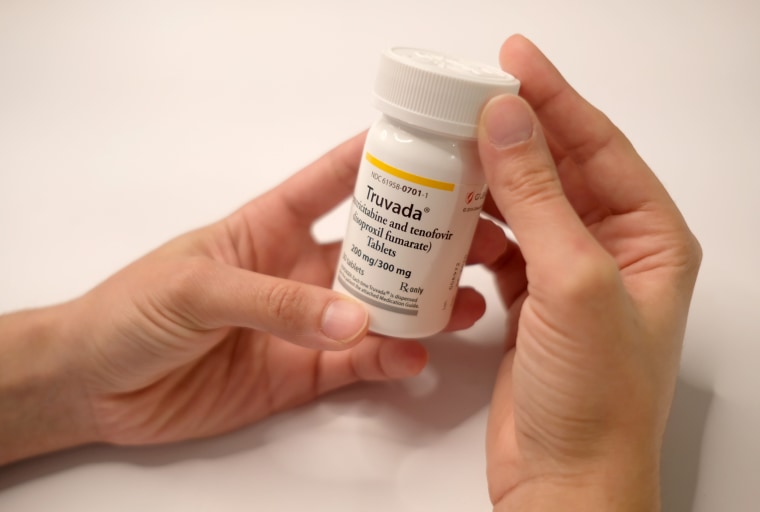
TruvadaAnthony Correia / NBC News
In July 2012, the Food and Drug Administration approved Truvada as HIV pre-exposure prophylaxis, or PrEP, to prevent HIV acquisition in high-risk individuals, particularly gay men and transgender women. PrEP was controversial when approved but has grown more widely used and accepted as cities, states, and the federal government have moved to widely promote its use as a tool to end the HIV epidemic. In places like New York City that have high rates of PrEP uptake, HIV infection rates have begun to decline.
Wisconsin’s Tammy Baldwin became the first LGBTQ person ever elected to the U.S. Senate in November 2012. But even then, Baldwin — who was first elected to political office more than three decades ago at 24 — was no stranger to making history. In 1998, when she was elected to the House of Representatives, she became the first gay woman and the first openly LGBTQ nonincumbent elected to either chamber of Congress.
-2013-
Supreme Court axes Defense of Marriage Act
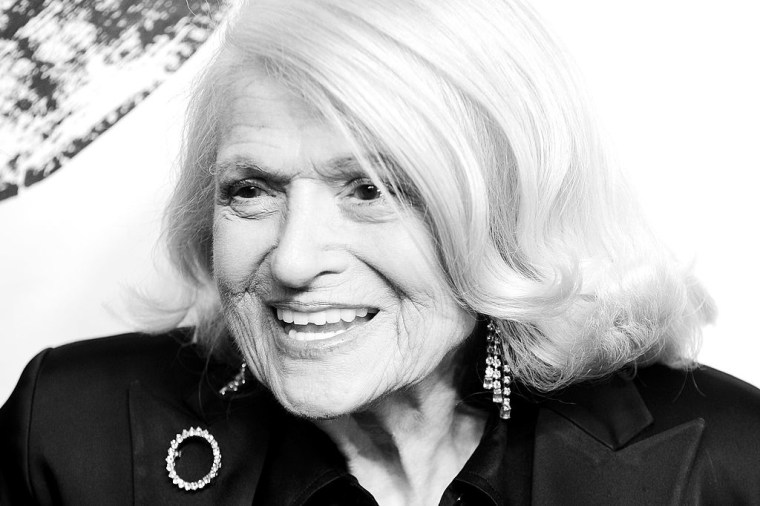
Edie Windsor on June 23, 2014 in New York City.Bryan Bedder / Getty Images for Logo TV
The Defense of Marriage Act, or DOMA, passed in 1996 in response to Hawaii’s brief flirtation with legalizing same sex-marriage, was ruled unconstitutional by the Supreme Court in the June 2013 landmark U.S. v. Windsor decision. The ruling allowed federal benefits to flow equally to same-sex married couples in Washington, D.C., and the 12 states where gay marriage was then legal.
-2014-
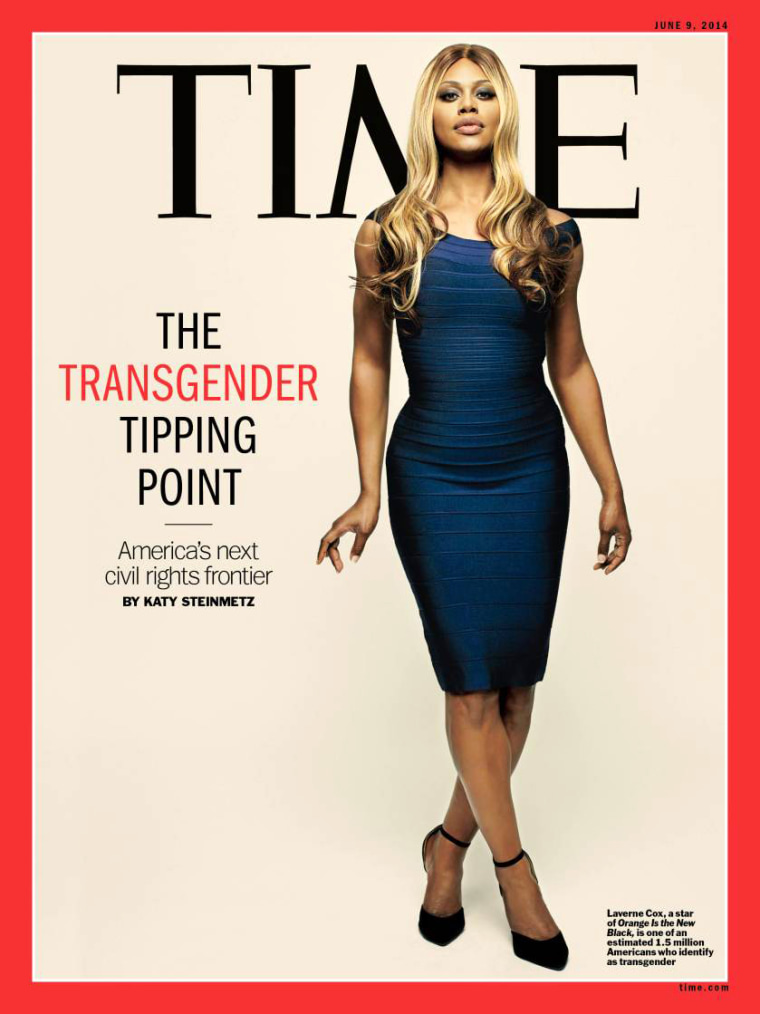
Laverne Cox appears on cover of Time
Laverne Cox on cover of TIME in 2014.TIME
Laverne Cox, best known for her role in the hit Netflix series “Orange Is the New Black,” became the first transgender person to appear on the cover of Time magazine in June 2014. A month later, she became the first trans person to be nominated for an Emmy.
-2015-
Caitlyn Jenner comes out as transgender
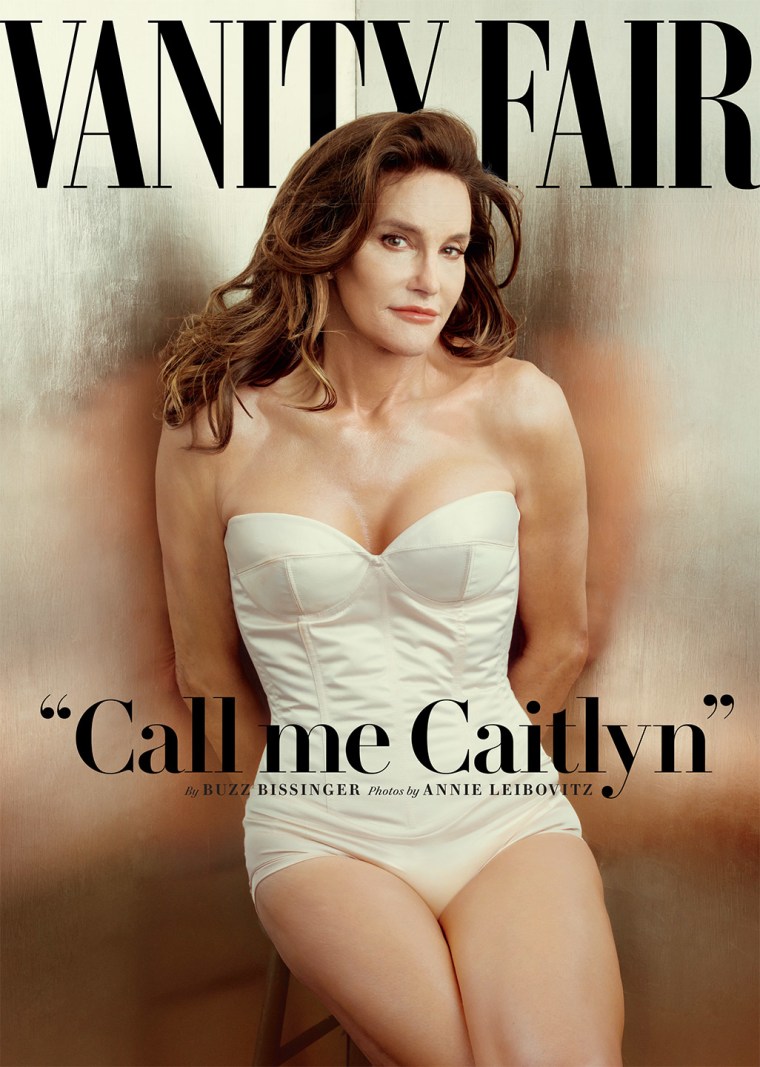
Caitlyn Jenner on Vanity Fair cover in 2015.Vanity Fair
In a coming out heard ’round the world, Olympic gold medalist Caitlyn Jenner came out as transgender in a glamorous June 2015 Vanity Fair cover photo shot by photographer Annie Leibovitz.
Citing its 2013 decision that overturned the Defense of Marriage Act, the Supreme Court in the landmark June 2015 Obergefell v. Hodges decision found a constitutional right to marriage that included same-sex couples, legalizing gay marriage nationwide. In an iconic image beamed around the world, the White House was lit in the colors of the LGBTQ pride flag to celebrate the ruling.
A gunman opened fire in the Orlando LGBTQ nightclub Pulse on June 12, 2016, killing 49 people. The shooting was briefly the deadliest mass shooting in U.S. history. In a subsequent trial of the shooter’s wife, details emerged showing that the gay club Pulse was chosen randomly after heterosexual clubs appeared to be too securely guarded.
On June 30, 2016, Secretary of Defense Ash Carter announced that transgender Americans would be permitted to serve in the armed forces, sealing President Obama’s legacy as a leader in LGBTQ equality in the military. “This is the right thing to do for our people and for the force,” Carter said.
Kate Brown elected governor of Oregon
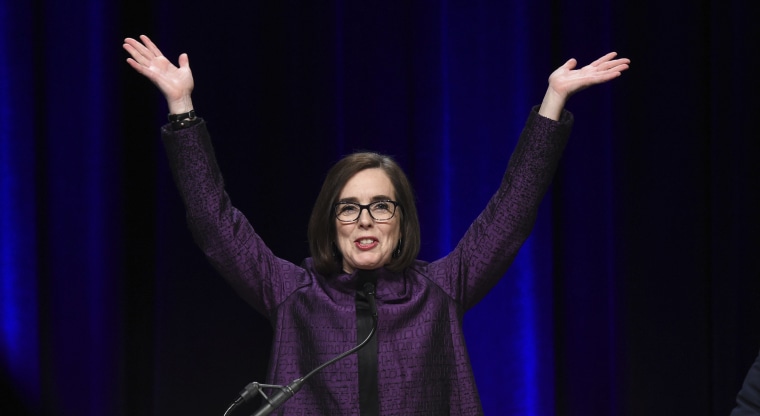
Oregon Gov. Kate Brown speaks to the crowd of supporters in Portland after being elected on Nov. 8, 2016.Steve Dykes / AP
Kate Brown, an out bisexual, made history in November 2016 when she became the first openly LGBTQ person to ever be elected governor of a U.S. state. She had become the governor by default the year prior, after the state’s longest-serving governor, John Kitzhaber, resigned amid a scandal.
-2017-
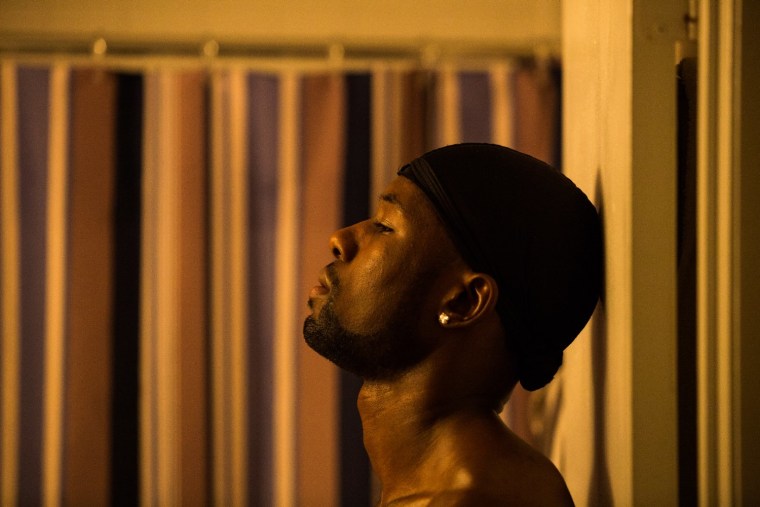
‘Moonlight’ wins Best Picture Oscar
Trevante Rhodes in “Moonlight.””Moonlight” – A24 / IMDB
The 2016 film tracks Chiron, a young black man, who is coming to terms with his homosexuality. “Moonlight” dazzled festival audiences and critics before becoming the first ever LGBTQ-centered film to win an Academy Award for best picture in 2017.
In a series of early morning tweets on July 26, 2017, that reportedly took the Department of Defense by surprise, President Donald Trump announced that he was reinstating the repealed ban on transgender military service.
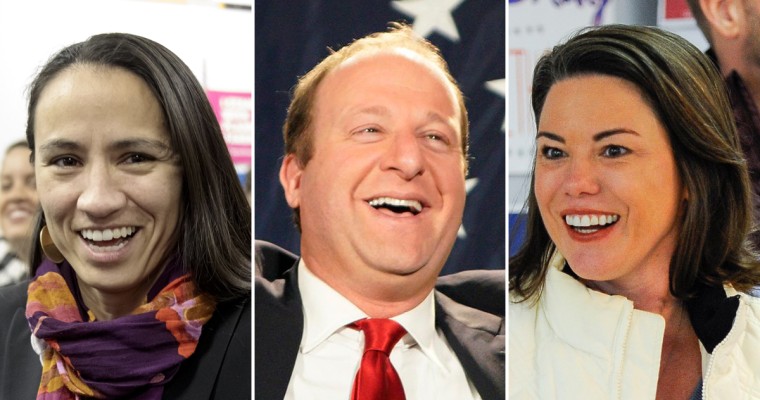
Sharice Davids, Jared Polis and Angie CraigWhitney Curtis, Rick T. Wilking, Craig Lassig / Getty Images / AP Images for Human Rights Campaign
The LGBTQ candidates who saw victory in November 2018’s “rainbow wave” included Democrat Jared Polis, who became the first openly gay man elected governor in the United States, and DemocratSharice Davids, who flipped her district in Kansas against a four-term incumbent to become the first openly LGBTQ member of Congress from Kansas and one of the first two female Native Americans elected to Congress.
I launched a presidential exploratory committee because it is a season for boldness and it is time to focus on the future. Are you ready to walk away from the politics of the past?
In a video posted to Twitter on Jan. 23, 2019, Pete Buttigieg announced the formation of his presidential campaign exploratory committee. The millennial mayor spoke to NBC News and said he once “believed that coming out might be a career death sentence.” Buttigieg is the first openly gay man to ever appear in a Democratic primary debate.
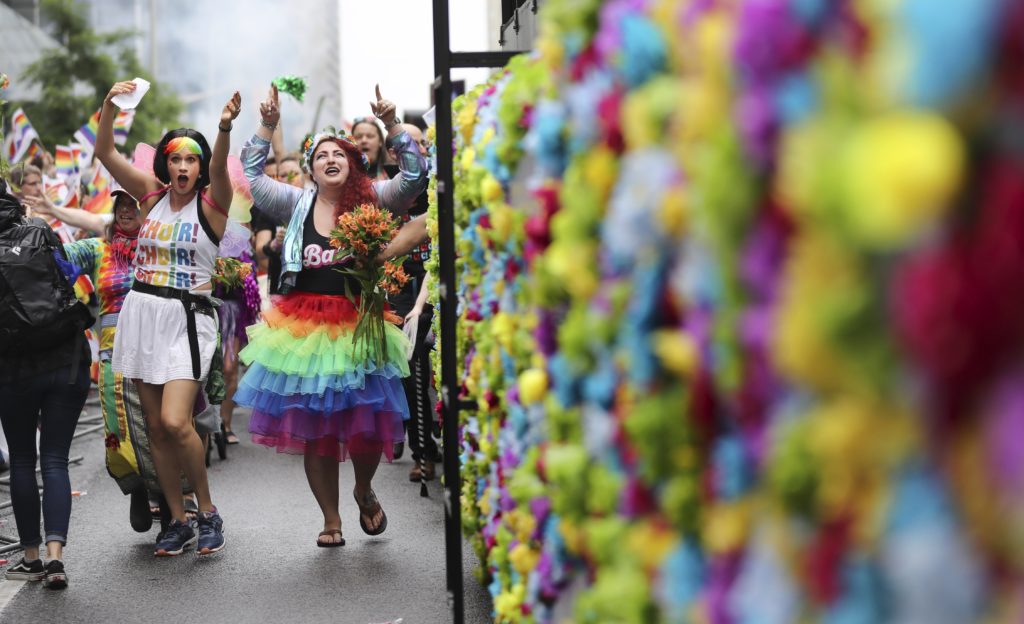
On June 28, 2019, the 50th anniversary of the New York City riot that sparked the modern gay rights movement, #Stonewall50transformed into a giant global celebration of LGBTQ rights. New York City even hosted dueling, record-breaking LGBTQ pride marches
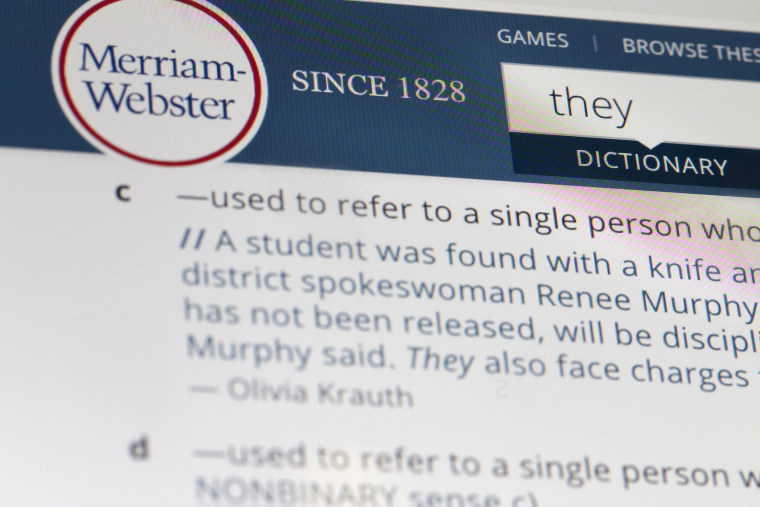
‘They’ is Merriam-Webster’s word of the year
The word “they” is displayed on a computer screen on Dec. 6, 2019, in New York.Jenny Kane / AP
In a “data-driven” decision guided by internet users’ searches, the dictionary brand announced in mid-December that the word of the year is the nonbinary singular pronoun “they,” which preferred by some transgender and nonbinary people. Merriam-Webster added the entry in September.
Canada’s federal government posed a rather simple question to its residents: are they comfortable with LGBT+ people?
In a preliminary assessment to better understand the challenges faced by the country’s queer community, a wing of the government surveyed Canadians and found an overwhelming amount are, indeed, comfortable.
Phew.
‘We obviously have more work to do’, LGBT+ activists say.
The survey, conducted in the summertime, asked Canadian citizens whether they would be comfortable if their neighbour, manager or doctor was LGBT+, Global Newsreported.
Around 91.8 per cent said that would be comfortable if a next-door neighbour were gay, lesbian or bisexual, and 87.6 per cent would be comfortable if that neighbour were trans.
“It’s really good to see the attitude of Canadians changing and being more open and inclusive,” said Helen Kennedy, executive director of the LGBTQI2S advocacy group Egale Canada.
“We obviously have more work to do. But it’s definitely a step in the right direction.”
Hundreds of thousands came out to celebrate Toronto’s Pride Parade. (Richard Lautens/Toronto Star via Getty Images)
The survey was conducted by the Privy Council Office, the department that supports the work of the Prime Minister’s Office.
Weekly polls are part and parcel of the PCO, and for the survey on the week of July 26, the body included six questions that gauged Canada’s attitudes towards queer folk.
The poll questions were:
“How comfortable would you be in each of the following situations?
If you had a next-door neighbour who was gay, lesbian, or bisexual
If you had a next-door neighbour who is a transgender person
If you had a manager or supervisor who is gay, lesbian, or bisexual
If you had a manager or supervisor who was a transgender person
If you had a doctor who is gay, lesbian, or bisexual
If you had a doctor who was a transgender person.”
The survey suggested that 90.5 per cent of Canadians are ‘very comfortable’ or ‘somewhat comfortable’ with an LGB boss, versus 7.6 per cent who said they would be ‘somewhat uncomfortable’ of ‘very uncomfortable’.
Sightly less Canadians are comfortable with trans doctors, poll suggests.
Moreover, 88.2 per cent said they’d be ‘comfortable’ versus 10.2 per cent ‘uncomfortable’ with an LGB doctor.
Although, this number dipped slightly with trans medics – 79.9 per cent ‘comfortable’ and 17.6 per cent ‘uncomfortable’.
“The separate questions regarding gender identity were deliberate given experiences of discrimination faced by many transgender people in Canada,” PCO spokesperson Stephane Shank said in e-mail Saturday.
“The Government of Canada is committed to better understanding the challenges faced by LGBTQ2 people.
“That is why the Minister of Diversity and Inclusion and Youth [Bardish Chagger] has been given a mandate to consult civil society representatives of LGBTQ2 communities to lay the groundwork for an LGBTQ2 action plan that would guide the work of the federal government on issues important to LGBTQ2 Canadians.”
The findings of the study comes after Justin Trudeau’s Liberal Party secured asecond mandate to helm the government earlier this year.
Trudeau’s administration has several positive initiatives for the community in the pipeline, such as increased funding to aid LGBT+ organisations hire more staff and expand and banning conversion therapy.
Facebook has quietly started removing some misleading ads about HIV prevention medication, responding to a deluge of activists, health experts and government regulators who said the tech giant had created the conditions for a public-health crisis.
The ads at issue — purchased by pages affiliated with personal-injury lawyers and seen millions of times — linked drugs designed to stop the spread of HIV with severe bone and kidney damage.
LGBT advocates long have said such claims are “false,” pointing to multiple studies showing the class of medication, known as PrEP, is safe.
GLAAD reacts via press release:
“It’s gratifying to see one of Facebook’s fact-checkers backing up the overwhelming consensus of AIDS, LGBTQ, and HIV medical groups that these ads are misleading. But the question remains – why is Facebook taking money from these ambulance-chasing law firms for ads that are helping the spread of HIV?” said Peter Staley, a cofounder of the PrEP4All Collaboration.
“Removing select ads is a strong first step, but the time is now for Facebook to take action on other very similar ads which target at-risk community members with misleading and inaccurate claims about PrEP and HIV prevention,” said Sarah Kate Ellis, GLAAD President and CEO.
“Dozens of organizations have told Facebook that the safety and effectiveness of PrEP to prevent HIV transmission is unequivocal. The pervasiveness of these ads and the subsequent real world harm should be catalysts for Facebook to further review how misleading and inaccurate ads are allowed to be targeted at LGBTQ and other marginalized communities.”
It surveyed 866 teenage boys in community settings like after school programmes and libraries, covering 20 lower-resource neighbourhoods in Pittsburgh, Pennsylvania.
According to researchers it is the first study to ask teenage boys about violence and attitudes to gender in “US urban, community-based settings”, rather than schools or clinics.
Researchers found that when male high school students supported equality between genders, they were less likely to engage in violent behaviours, for example bullying or sexual violence.
Boys who had seen their peers engage in at least two different abusive behaviours towards women and girls were twice as likely to commit rape and five times as likely to bully others, regardless of gender.
However, of the 866 teenagers, 73.2 percent had engaged in homophobic teasing, for example calling other “homo” or “gay” in a derogatory way.
The study describes the result as “puzzling”, because in contrast to other violent behaviours, views on gender equality had no effect on levels of homophobic teasing, even though questions assessing their views on equality included some about homophobia.
Alison Culyba, assistant professor of pediatrics in the Division of Adolescent and Young Adult Medicine at UPMC Children’s Hospital of Pittsburgh, told CNN: “It is so commonplace, they may see it as a form of acceptable, possibly even pro-social, interaction with their peers.”
Homophobic, biphobic and transphobic teasing and bullying severely affects teenagers around the world, and can lead to mental health problems and even suicide.