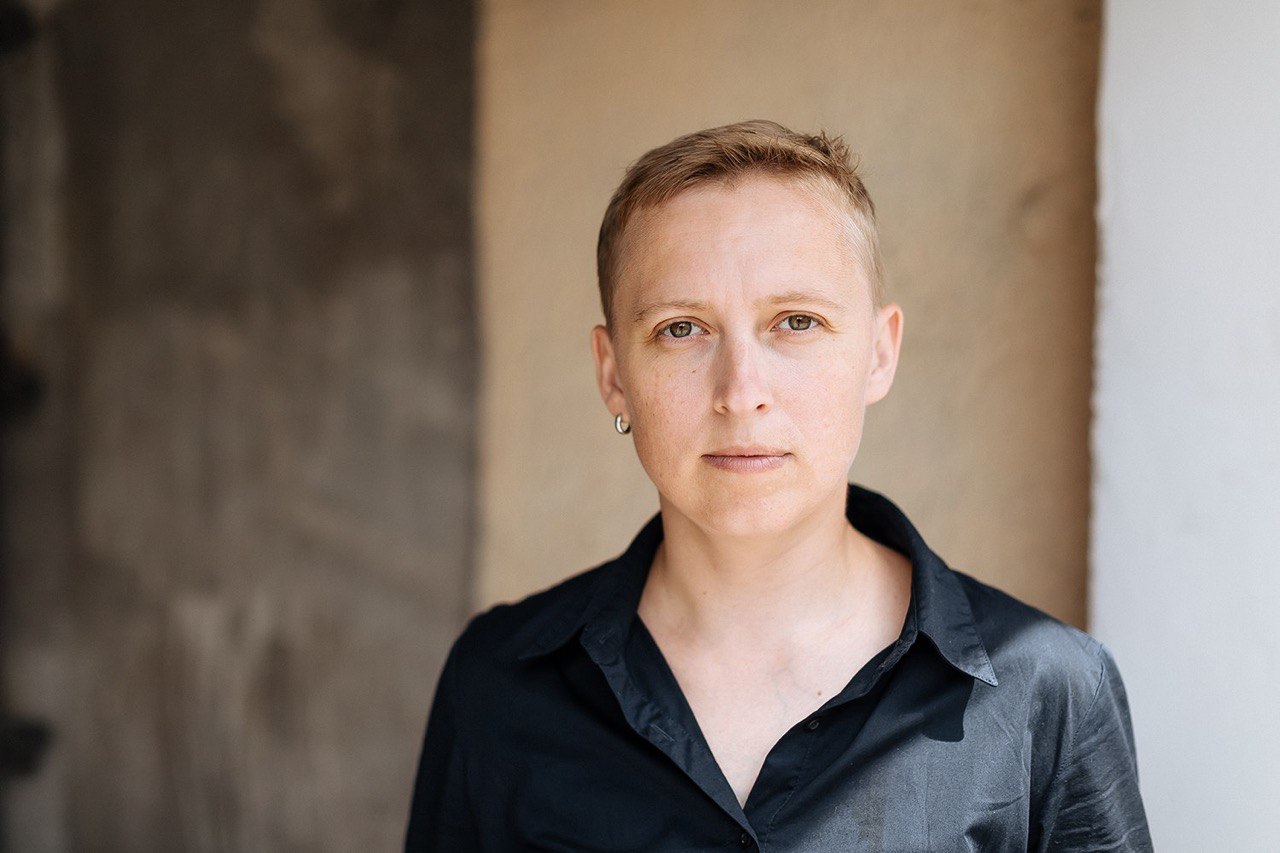
A body found on the shore of Lake Michigan in a suburb of Chicago has been identified as trans rights activist Elise Malary.
Malary was last heard from on 9 March, and on 11 March she was reported as a missing person.
Although she was missing and her apartment had been left unlocked, police initially said there was no indication of foul play.
On Thursday, 17 March, a body was discovered by 19-year-old Tristan Lambach on the lakefront in the Chicago suburb of Evanston, Illinois. Policy later confirmed that it was Malary. She was just 31 years old.
Malary was a passionate activist who worked tirelessly for the LGBT+ and BIPOC communities in Chicago.
She was a board member for the Chicago Therapy Collective, which “promotes city-wide accountability and action to alleviate LGBTQIA health disparities” and works to advance “collective health and wellbeing through education, therapy, advocacy and the arts”.
Elise Malary was a tireless activist. (Facebook/ Chicago Therapy Collective)
The collective described her as a “key player for the #HireTransNOW initiative”, which combats anti-trans hiring stigma and employment discrimination.
She was also a member of the community advisory group for Equality Illinois, extensively fundraised for various community groups, and worked with the Illinois attorney general’s Civil Rights Bureau.
Maria Hadden, alderwoman for Chicago’s 49th ward, announced the news on Twitter: “There’s no easy way to say this – I’m heartbroken to share that Elise is no longer alive and with us.
“She has been identified and now her family, friends and our community begin to process her loss and our grief. Elise Malary will be missed terribly.”
The governor of Illinois described the loss as “heartbreaking”, while the Illinois attorney general’s office released a statement: “Today is a devastating day for the Office of the Attorney General. After hoping for several days that our friend and colleague Elise Malary would be safely reunited with her family, friends and loved ones, we have received confirmation of the unthinkable.
“Elise was a valued member of our Civil Rights Bureau who, as a tireless advocate for the LGBTQ community, was passionate about her work. Her kindness and infectious smile will be missed by those who worked with her.
“The Attorney General’s office has lost a member of our family, and as an office, we are heartbroken.
“I extend my deepest condolences to Elise’s family and friends. May Elise’s memory inspire all of us to live authentically and have humanity toward all.”
Brave Space Alliance, a Black and trans-run LGBT+ centre in Chicago, has created a fund to help cover Malary’s funeral expenses.
In a statement, the alliance said: “Brave Space Alliance is devastated to learn that missing trans liberation leader, and beloved Chicago trans community member Elise Malary was confirmed dead today by the City of Evanston Police Department. Elise was a pillar of our community, a friend and accomplice to many, and a shining example of Black Trans Excellence.
“Elise’s work to advance the interests of trans people in Andersonville with the Chicago Therapy Collective has touched countless lives, and helped make Chicago a better place for trans people to live, work, and thrive.”
The funeral fund, the group said, “will be working with Elise’s family to ensure that she receives a memorial deserving of her dedication to Black Trans Liberation”.
California could provide legal refuge to displaced transgender youth and their families under a proposal announced Thursday that joins a growing list of initiatives from the nation’s most populous state aimed at counterbalancing actions in Texas and other conservative places.
Democratic state lawmakers said they will introduce legislation to offer California as a safe haven for parents in other states who risk having their transgender children taken away or from being criminally prosecuted for supporting their children’s access to gender-affirming procedures and other health care.
The measure is a response to moves in several Republican-dominated states and particularly Texas, where Gov. Greg Abbott has directed state agencies to consider removing transgender children from their families and placing them in foster care. A Texas judge last week temporarily blocked that effort, although the state is appealing.
California Democratic state Sen. Scott Wiener said his bill would ensure that “California is a place of refuge for transgender children and their parents as a wave of criminalization sweeps through Texas and other states.”
“They have a safe place to go if they’re threatened with prosecution,” he added. “California will not be a party to this new wave of deadly LGBTQ criminalization.”
Jonathan Keller, president of the conservative California Family Council, responded to the proposal by citing the story of a woman who said last week that her 16-year-old daughter killed herself while receiving gender-affirming treatment against her mother’s wishes.
The mother spoke during a forum by The Heritage Foundation, a conservative Washington, D.C.-based think tank, entitled Protecting Our Children: How Radical Gender Ideology is Taking Over Public Schools & Harming Kids.
“California should not be complicit in the sterilization and permanent disfigurement of American’s children,” Keller said.
The bill to provide refuge to transgender youth and their families is the latest effort by California officials to counter moves on generally liberal vs. conservative issues like abortion and gun control in other states.
Wiener’s approach is similar to the provisions in another pending California bill responding to efforts in other states to restrict abortions.
It would bar the enforcement of civil judgments against doctors who perform abortions on patients from other states. It’s among several measures designed to make California a sanctuary for people seeking or providing abortions.
Get the Evening Rundown
A rundown of the day’s top stories and headlines.SIGN UPTHIS SITE IS PROTECTED BY RECAPTCHA PRIVACY POLICY | TERMS OF SERVICE
In a spinoff move, California is also advancing efforts to target illicit assault-style weapons with legislation patterned on Texas’ attempt to restrict abortions, by allowing private citizens to take legal action against gunmakers.
Like the abortion bill, the transgender bill would reject any out-of-state court judgments removing transgender children from their parents’ custody because they allowed their children to receive gender-affirming healthcare.
Because the judgments in other states wouldn’t be enforced in California, families could move to California to avoid having their children taken away from them.
It would also prohibit California officials from complying with out-of-state subpoenas seeking medical or related information about people who travel to California for gender-affirming care. To be blocked, the subpoena would have to be related to attempts to file criminal charges or remove children from their homes for receiving gender-affirming care.
The measure would also make it California’s policy that any out-of-state criminal arrest warrants based on an alleged violation of another state’s law against receiving gender-affirming care would be the lowest priority for law enforcement in California.
“We will not allow other states to hunt our community within California’s borders,” said Tami Martin, legislative director at Equality California, which says it is the largest statewide LGBTQ civil rights organization in the U.S. Her organization is co-sponsoring the bill with Planned Parenthood Affiliates of California.
Arkansas last year became the first state to pass a law prohibiting gender-confirming treatments for minors, and Tennessee has approved a similar measure.
Idaho legislators last week introduced legislation that would make it a felony for parents to allow their children to obtain gender-affirming care, though the measure failed.
Advocates of California’s measure said there also are legislative efforts to restrict gender-affirming care pending in Alabama, Arizona and Louisiana.
Supporters of the California bill said efforts to suppress transgender youth can lead to fear and mental health issues including depression and suicidal thoughts.
Those problems can be magnified if youths are denied access to gender-affirming care including hormones and puberty-blockers, or if their parents were prosecuted, bill supporters said.
“Families will be separated and children will die because of these policies,” said Alexis Sanchez, director of advocacy and training at the Sacramento LGBT Community Center.
Lawmakers have rejected legislation that would have made Kosovo the first Muslim-majority country in the world to legalise same-sex civil unions.
Kosovo wants to join the European Union, and the bid to introduce same-sex marriage was part of modernising efforts by prime minister Albin Kurti’s government, which also tried to introduce other rights for minorities and business reforms
But after hours of debate, just 28 out of MPs out of 120 voted in favour of the motion with some members of Kurti’s Vetevendosje party voting against it, according to Euractiv. Many against the draft code cited religious beliefs and “family values”.
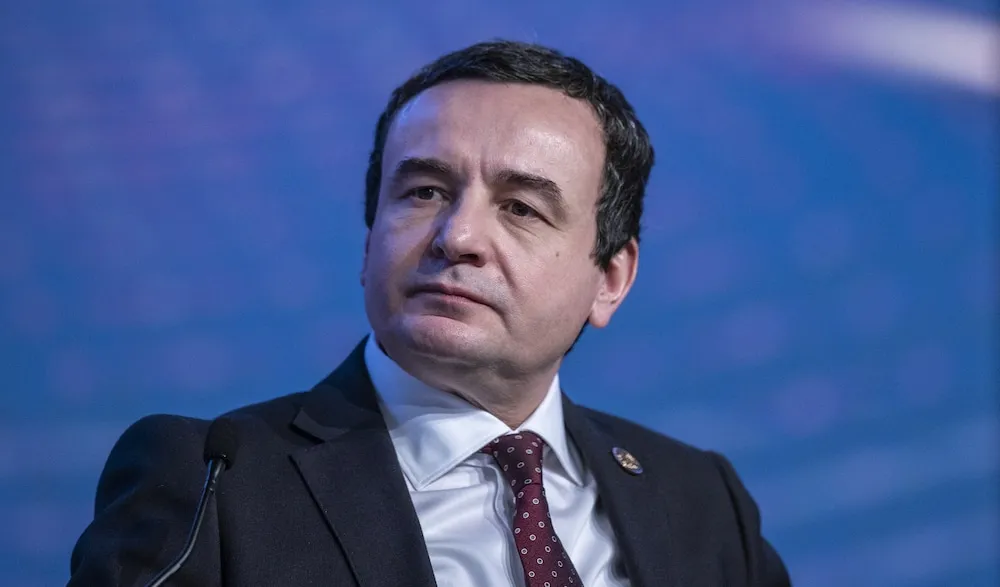
Prime Minister of Kosovo Albin Kurti. (Anadolu Agency via Getty / Ali Balikci)
Vetevendosje representative Labinote Demi-Murtezi said during the debate that she only “sees as acceptable the marriage of persons of opposite sex”.
She added: “Any connection outside of this combination is considered depravity and moral degeneration.”
LGBT+ and human rights groups were devastated by the news, and protesters took to the streets of Kosovo’s capital Pristina on Thursday (17 March).
According to Balkan Insight, they chanted, “homophobes, you have no place in parliament” and “love is resistance; we also are part of the family”.
After the legalisation of civil unions was snubbed, Human Rights Watch sent a letter to Kurti, as well as Kosovo’s president Vjosa Osmani and minister of justice Albulena Haxhiu, urging them to go further and push for full marriage equality.
“We believe that extending marriage to same-sex couples is the most rights-respecting option for Kosovo to pursue,” the human rights group wrote.
“Partnership recognition is a step forward – any protection is better than none – but civil union is unlikely to protect people’s rights to the same extent as equal marriage, and indeed, can signal continued inequality…
“We hope that the Kosovo government will work to ensure that same-sex couples have the same rights as other couples, and to eradicate discrimination based on sexual orientation and gender identity in family law.”
Google Play Store has removed a conversion therapy app developed by the Malaysian government that claimed to help LGBT+ people “return to the right path”.
Google has now pulled the controversial conversion therapy app from its store for violations against the digital giant’s policies. Under Google’s guidelines, apps cannot “attempt to deceive users” or “enable dishonest behaviour including but not limited to apps which are determined to be functionally impossible”.
Google toldthe Guardian: “Whenever an app is flagged to us, we investigate against our Play Store policies and if violations are found we take appropriate action to maintain a trusted experience for all.”
Hijrah Diri Homoseksualiti claimed in its description on the Google app store that it would offer “suggestions, ideas, explanations and interpretations” to help users “overcome the problem of homosexuality”.
JAKIM said in a follow-up tweet that the app allegedly contains an “eBook that refers to the true experience of a gay man who migrated during Ramadan to abandon homosexual behaviour”.
Rachel Chhoa-Howard, Malaysia researcher for Amnesty International, told the Guardian that conversion therapy is a “deeply discriminatory” and “harmful practice” that cause cause “long-lasting damage to those who are subject to it”.
“It has been criminalised in many countries,” Chhoa-Howard said. “We call on the Malaysian authorities to immediately abandon its use of Hijrah Diri, and instead ensure respect and protect LGBTI rights in the country.”
The conversion therapy app was hugely concerning for human rights activists as LGBT+ people in Malaysia face execution, torture and decades in prison for living their truth.
Malaysia’s penal code criminalised sex between same-sex partners, which it described as “carnal intercourse against the order of nature”, with up to 20 years in prison and whipping.
According to Human Dignity Trust, there was a “serious crackdown” on the LGBT+ community after the new government came into power in 2018, resulting in a spike in arrests and assaults against LGBT+ people.
Human Rights Watch has denounced the Malaysian government for not acting on “discrimination against LGBT+ people”, adding it “remains pervasive and appears to be on the rise”.
The nonprofit warned that authorities have proposed a “range of changes to Sharia (Islamic law) regulations” that would harm the LGBT+ community including “harsher sentences for same-sex conduct and gender expression”.
Nur Sajat, a trans social media personality and businesswoman, made headlines after she fled Malaysia to escape persecution and charges of “insulting Islam”, which carries a prison sentence of up to three years.
Saturday March 26 @ 7 pm. Abby Gabrielson with Laurie Hartmann at Occidental Center for the Arts. Join us for a delightful evening of classical music with pianist Abbie Gabrielson, who will perform selections by Brahms, Mozart and Lili Boulnager, as well as a special set with vocalist Laurie Hartmann (Fauré). Tickets are $20 for OCA members, $25 for non-members @ www.occidentalcenterforthearts.org. OCA is following current Sonoma County Health guidelines for masking and capacity. Fine refreshments including wine and beer available. Art Gallery exhibit will be open for viewing. OCA is a non profit performing and fine arts center accessible to persons with disabilities. Become an OCA Member and get discounts/free admission. Occidental Center for the Arts, 3850 Doris Murphy Ct. Occidental, CA. 95465, 707-874-9392.
Disney employees are staging a week of walkouts over CEO Bob Chapek’s response to Florida’s ‘Don’t Say Gay’ bill.
Disney has faced stiff criticism for its muddled response to the bill, which would ban the discussion of LGBT+ lives in classrooms. Disney initially refused to make a public statement and defended its political donations to Republicans who helped push the bill through before apologising and pausing donations.
Organising as the Disney Do Better group, LGBT+ people and allies working for the company are urging bosses to do more, including by ending all donations to lawmakers who supported the law indefinitely.
“By supporting the politicians who brought this legislation and not taking a public stand against it, Chapek and [The Walt Disney Compant] leadership have made it clear they are more than willing to sacrifice their employee’s health and wellness in service of the bottom line,” the group wrote in an open letter.
“We will stand for this anymore.”
From Tuesday (15 March) to Monday, employees will stage “break” walkouts from 3pm and 3:15pm, culminating in a full-day walkout next Tuesday.
Including more than 10,000 words worth of testimony from staff, organisers say they want to make it clear Disney has “utterly failed” in its response to the ‘Don’t Say Gay’ bill, according to their website WhereIsChapek.com.
Organisers are demanding that Disney put pressure on Florida lawmakers by stopping all investment and construction in the state – where it employs more than 77,000 people – “until hateful legislation is repealed”.
It must also stop “any efforts to move employees to Florida office location” and guarantee that no employee will be fired as a result of denying relocation, the group demand.
Disney Do Better is also calling for the entertainment giant to improve LGBT+ representation in its content, with a dedicated brand to be created “focusing on LGBTQ+ creators and underrepresented voices”.
Disney is also being urged to reaffirm its committment to protecting and advocating for LGBT+ staff, and to “take responsibility for their inaction to protect the rights of LGBTQIA+ children and their families by making substantial contributions to The Trevor Project and other human rights advocacy groups”.
Employees taking part in the action work for Disney’s corporate offices, Lucasfilm, Pixar, Bento Box, Disney Television Animation the Disney Animation Studio, and more, according to Disney Do Better.
Disney demonstrators ‘ashamed’ to work as ‘hypocritical’ company
News that Disney had donated hundreds of thousands of dollars to lawmakers backing the ‘Don’t Say Gay’ bill was followed by silence, then clumsy statements that ignited outrage both within and outside of the company.
CEO Bob Chapek eventually apologised for the company’s response, saying he has temporarily paused all political donations and would donate $5 million to the Human Rights Campaign. The LGBT+ charity refused the donation until Disney takes “meaningful action” against the bill.
Chapek admitted that he “let [the company] down” in his response in a memo.
“I missed the mark in this case,” he wrote, “but am an ally you can count on.”
Disney CEO Bob Chapek. (Jeff Gritchen/MediaNews Group/Orange County Register via Getty Images)
Previously, the CEO had suggested that telling “diverse stories” was far more impactful than a statement publicly denouncing the law. Corporate statements “do very little to change outcomes or minds”, he said.
Disney Do Better said this statement amounted to an attempt to “placate the LGBTQIA+ community with subpar representation”.
“You cannot fix this with educational seminars or token background characters — even organizations like [the Human Rights Campaign] refuse your money until action is taken.”
“Those statements have indicated that leadership still does not truly understand the impact this legislation is having not only on cast members in the state of Florida but on all members of the LGBTQIA+ community in the company and beyond”.
While it remains unclear exactly how many staff are taking part in the protests, the Disney Walkout Twitter has more than 1,200 followers.
Ahead of Tuesday’s first protest, the account shared statements from employees about why they are walking out.
“I am ashamed to work for a company that boasts about inclusivity and yet supports states and politicians that put lives, education, livelihoods and overall wellbeing of our LGBTQIA+ selves, siblings and families in jeopardy,” wrote one employee.
“Enough hypocrisy, it’s time for authenticity and transparency.”
Florida’s ‘Don’t Say Gay’ bill has been approved by both houses and is on the desk of governor Ron DeSantis, who has indicated his support.
With Ukraine defending itself from Russia’s brutal war of aggression, the country’s LGBT+ activists have found themselves playing a new role.
War is an equaliser, Kyiv Pride director Lenny Ensom tells PinkNews. “The bomb doesn’t ask you what is your identity, the bomb just falls,” he explains.
He hasn’t been able to get much sleep since the invasion started, as the sound of shelling is never far away. On Tuesday night (15 March), a building in his district was hit.
“It’s like Russian roulette. They just hit and you don’t know where the bomb will land.”
As director of Kyiv Pride, he’s dedicated much of his life to making things better for Ukraine’s LGBT+ community. In the last few weeks, the focus of his work has changed dramatically and suddenly, away from advocacy and toward helping the community access food and housing as the war rages on.https://platform.twitter.com/embed/Tweet.html?creatorScreenName=PinkNews&dnt=true&embedId=twitter-widget-0&features=eyJ0ZndfZXhwZXJpbWVudHNfY29va2llX2V4cGlyYXRpb24iOnsiYnVja2V0IjoxMjA5NjAwLCJ2ZXJzaW9uIjpudWxsfSwidGZ3X2hvcml6b25fdHdlZXRfZW1iZWRfOTU1NSI6eyJidWNrZXQiOiJodGUiLCJ2ZXJzaW9uIjpudWxsfSwidGZ3X3NrZWxldG9uX2xvYWRpbmdfMTMzOTgiOnsiYnVja2V0IjoiY3RhIiwidmVyc2lvbiI6bnVsbH0sInRmd19zcGFjZV9jYXJkIjp7ImJ1Y2tldCI6Im9mZiIsInZlcnNpb24iOm51bGx9fQ%3D%3D&frame=false&hideCard=false&hideThread=false&id=1502330256107216901&lang=en-gb&origin=https%3A%2F%2Fwww.pinknews.co.uk%2F2022%2F03%2F17%2Fukraine-lgbt-kyiv-pride-2%2F&sessionId=ee749e993fa9f51c606f5e5f9999ff7e269c4e1a&siteScreenName=PinkNews&theme=light&widgetsVersion=2582c61%3A1645036219416&width=500px
Kyiv Pride is working to help Ukraine’s LGBT+ community stay afloat through the war
Right now, the many queer people who remain in Ukraine are just focusing on staying alive and fighting for their freedom in whatever way they can.
But discrimination and inequalities still exists – there have been widespread reports of racism targeted at Black and brown people trying to flee the country, and of trans people (women, in particular) being unable to leave Ukraine or pass internal checkpoints because of inaccurate documents.
Security is paramount, Lenny says – there are far-right actors in Ukraine who are still targeting the LGBT+ community even as war rages.
“They’re still attacking LGBT+ people during the war and during the invasion and this is absolutely disgusting,” Lenny says. “We are not only fighting Putin, we’re fighting our inner homophobic forces.”
While Lenny’s not getting much rest, his days continue to be busy. Kyiv Pride has set up a secure chat for queer Ukrainians, has created a database of safe places people can stay abroad, and is circulating an easy-to-complete form so that it knows who needs help.
They’ve partnered with Gay Alliance Ukraine to support LGBT+ people who have been evacuated from surrounding areas to access emergency accommodation.
Kyiv Pride is also helping the local LGBT+ community to access mental health support during the war. They’ve put together a psychological support group, and volunteer psychologists are working around the clock to make sure queer people stay afloat.
“We’re answering the community’s demands,” Lenny says.
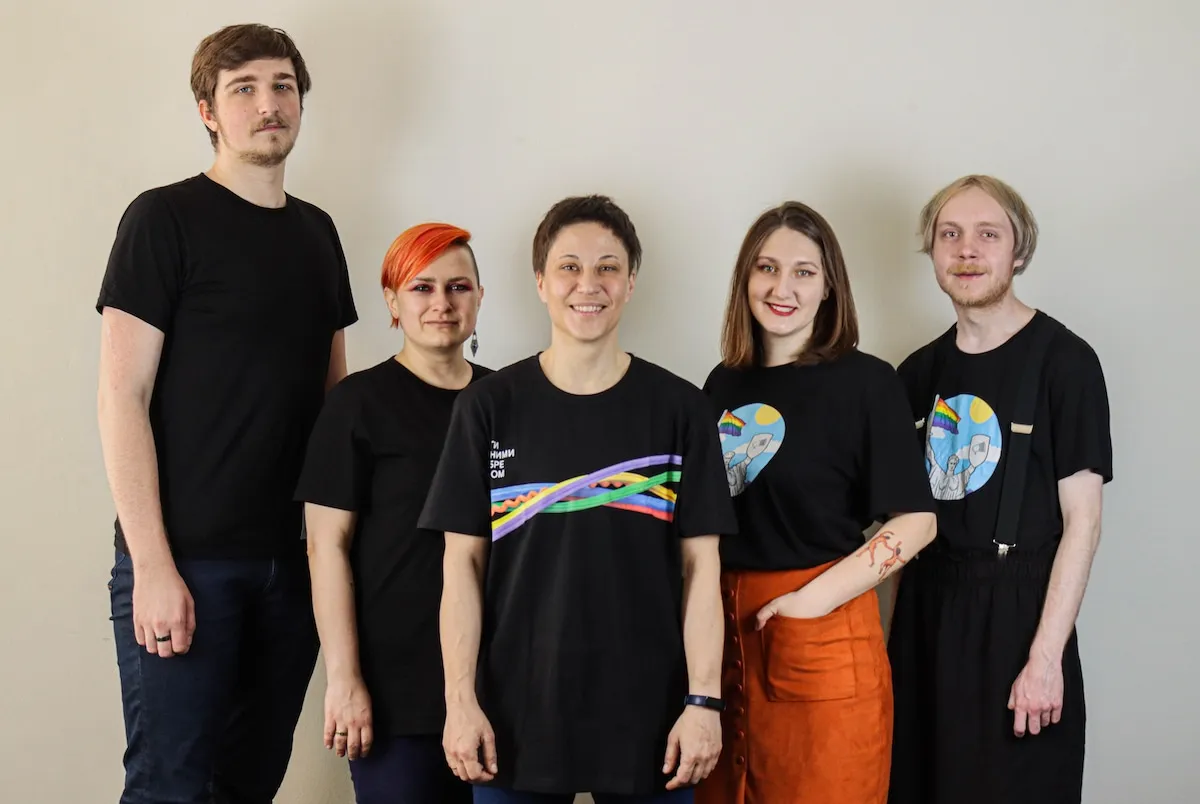
Lenny Ensom (C) with other activists involved with Kyiv Pride. (Provided)
Much of the international media attention has focused on the huge number of Ukrainian people that have fled their home country in search of safety. Around three million have now left Ukraine, but Lenny points out that more than 40 million remain.
“We need to understand that, if we want to stop this war, we cannot evacuate the entire population of Ukraine,” he says. “Unfortunately, it’s not possible. I’d say the community understands that a lot.”
Many of Lenny’s colleagues and friends have actively chosen to stay behind. Some of his friends have joined the military and territorial defence units.
“I really appreciate them doing this,” he says. “Our country needs us right now and we will win if we stay here and we will fight back against Russian aggression. If we just flee from war, nothing will stop the Russians then.”
People in Ukraine woke to the sounds of war three weeks ago
Lenny’s resolve has remained firm ever since he woke up to the sound of his city being shelled – it’s how he discovered Ukraine was being invaded.
“People did not read the news, they just ran away or to the bomb shelter,” he says. “We did not believe it – how on earth can you believe in such a thing as stupid as a ground war in the 21st century? It’s like to believe that aliens will come to earth right now. This is a barbaric way of having a war.”
As Lenny sees it, this isn’t about Russia versus Ukraine – it’s about Russia versus the world. He doesn’t think the world expected Ukraine “to fight back so successfully – and I think right now, when we continue to fight, it’s absolutely clear that Ukraine needs more help and then we will win”.
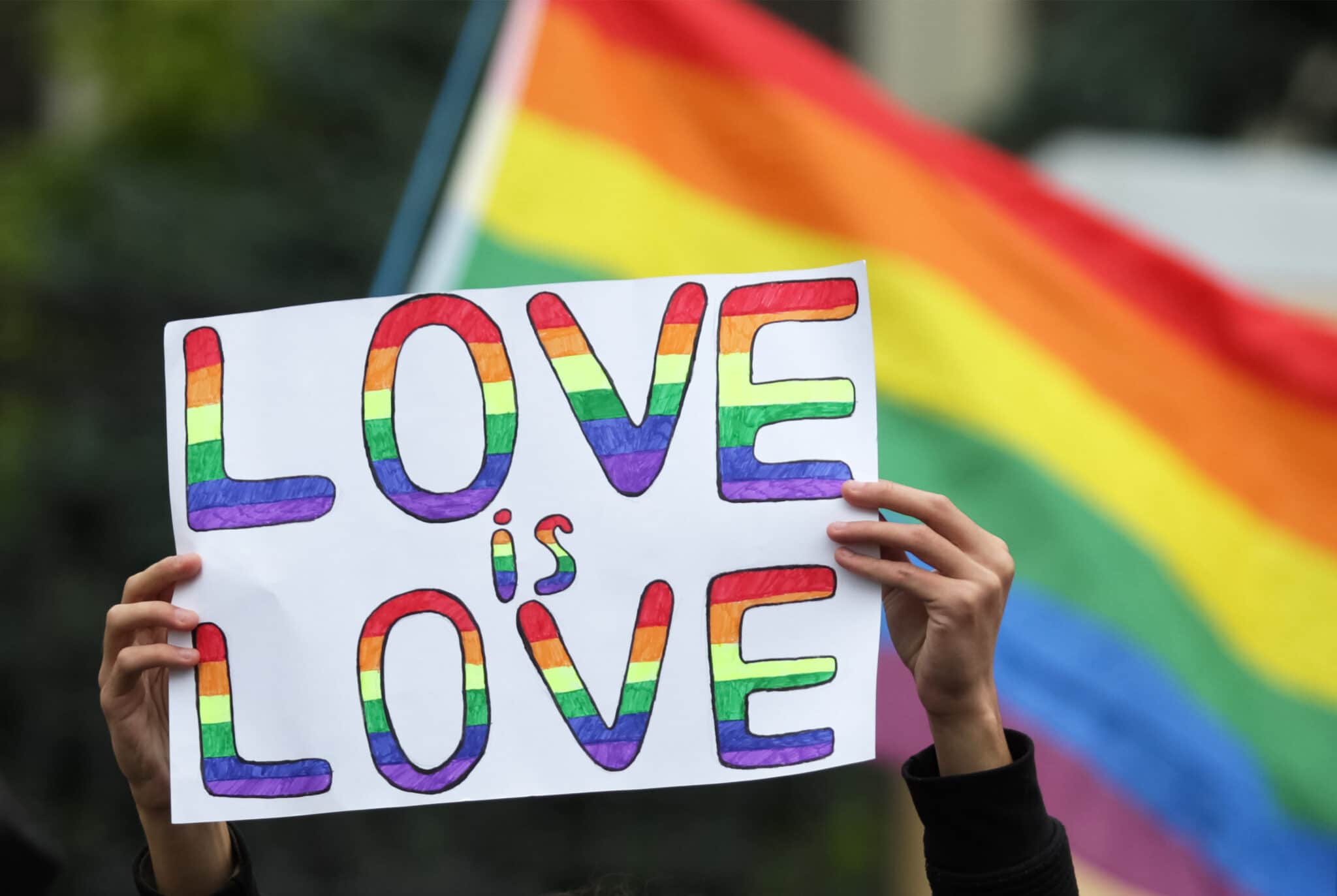
A participant holds a placard which says Love is love during the Equality March KyivPride 2021 of the LGBT community. (Pavlo Gonchar/SOPA Images/LightRocket via Getty)
The situation is terrifying, but there is optimism. “We really believe in our military, our Ukrainian army,” Lenny says. “We have the spirit behind us, and this is keeping us going.”
Part of that means rallying together “to show the community that we’re here to support them”.
“We’re here altogether, and together we will win.”
LGBT+ activist Vira Chernygina had to flee Kharkiv as the war ravaged her city
Vira Chernygina, president of lesbian organisation WA Sphere, was living in Kharkiv in eastern Ukraine when the invasion started. The city has been one of the worst affected by the war.
She stayed there for 10 days before she made the difficult decision to flee to Lviv in the west. Vira had been trying to keep working in Kharkiv, but she found it impossible to focus as the fear for her safety became all consuming.
“Your brain can’t work when there are explosions,” she tells PinkNews. “I tried for 10 days and it’s impossible.”
A liberal group that helped push EMILY’s List to cut ties with Sen. Kyrsten Sinema (D-Ariz.) over her opposition to changing Senate rules has a new target in its pressure campaign: the Human Rights Campaign.
The Arizona Coalition to End the Filibuster has helped organize an open letter to the LGBTQ organization, which was first shared with POLITICO, urging it to withdraw financial support from Sinema until she reverses her position and supports eliminating the filibuster. The letter also calls for donors to HRC to stop funding the group unless it backs away from the senator.
“The toll of Sinema’s obstruction — which HRC continues to tacitly support and thus enable — for your constituents is growing each day,” the letter reads, “with the filibuster blocking popular legislation, backed by all or nearly all Democrats, to address the urgent issues of reproductive justice, immigrant rights, gun violence, police reform, workers’ right to organize, raising the minimum wage, and more.”
Signed by more than 100 Arizona-based LGBTQ activists and national supporters, the letter also charges that Sinema’s position on the filibuster is preventing the Equality Act from passing. The civil rights legislation would give legal protections to LGBTQ people, which Democrats said is even more urgent in the wake of Republican-controlled states passing laws such as Florida’s “Don’t Say Gay” bill.
The campaign against HRC is the latest example of Sinema and her supporters coming under fire by Democratic activists, donors and lawmakers because she has stood by the filibuster, which effectively requires 60 votes to pass most bills. EMILY’s List, formerly one of Sinema’s largest financial backers, said in January that it would cut her off unless she got behind ending the filibuster.
The abortion rights group NARAL, as well as liberal groups such as Latino Victory Fund, League of Conservation Voters and Black Voters Matter Fund, have taken similar positions.
In a statement, an HRC spokesperson pointed out a blog post by the group’s staff in February that said it was disappointed with Sinema and had pushed her to support changing Senate rules in order to pass voting rights legislation.
“HRC remains committed to passing the Equality Act, as well as working to stop the onslaught of bills in states across the country that are attacking the LGBTQ+ community,” the person added. “More than 350 bills specifically targeting transgender people — largely transgender youth — have been filed since 2020, including 130 such bills this year and 20 in Arizona alone.”
“If we had the federal protection in the Equality Act, the states wouldn’t be able to be jamming through all of these hateful bills,” said Gina Griffiths, an Arizona-based mother of a transgender 19-year-old woman who signed onto the letter. “The HRC needs to no longer support [Sinema]. … She’s letting the entire LGBTQ community down, and my daughter is not as safe as other people because of it.”
Charlotte Clymer, a former press secretary of rapid response for HRC, also signed the letter.
“There are a lot of great people at the Human Rights Campaign doing amazing work. I admire them,” Clymer told POLITICO. “But the leadership of the Human Rights Campaign needs to wake up and understand the stakes here, and I don’t think they do.”
A spokesperson for Sinema declined to provide comment for the story.
US basketball icon Brittney Griner’s detention has been extended for another two months, according to a state news agency.
The Olympic gold medallist and Women’s National Basketball Association (WNBA) star has been held in Moscow since February when customs officials allegedly found vape cartridges containing hashish oil in her luggage.
Major Russian state-owned news agency TASS reported that the Khimkinsky court in the Moscow region had “granted the request of the investigation” and extended Griner’s custody for an additional two months.
The WNBA star faces up to 10 years in prison if found guilty by the Russian court.
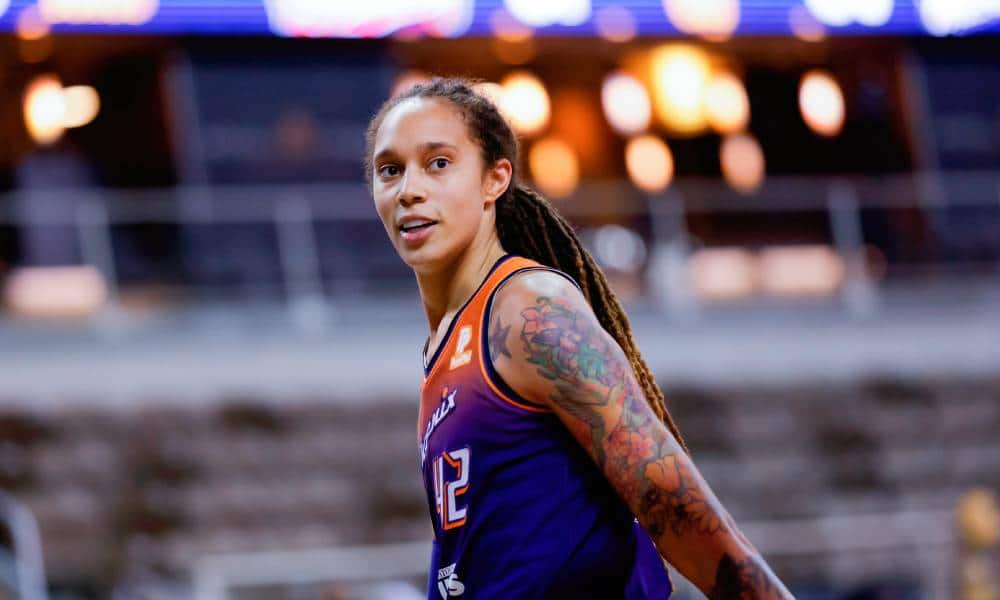
Brittney Griner #42 of the Phoenix Mercury is seen during the game against the Indiana Fever on 6 September 2021. (Getty/Michael Hickey)
Ekaterina Kalugina – a member of the Public Monitoring Commission, which is a semi-official body that can access Russian prisons – told TASS that the basketball star was sharing a single cell with two other women, who had no previous convictions.
According to Kalugina, Griner’s main issue with her imprisonment was that the prison beds are too small for her tall frame.
Griner is among a dozen WNBA stars who played in Russia or Ukraine this past season, with Griner playing professional basketball in Russia for the last seven years.
Former secretary of state Hillary Clinton has joined the growing number of people calling for Griner’s release, tweeting “Free Brittney” on Wednesday (16 March).
WNBA commissioner Cathy Engelbert said that the league is working with other agencies to bring the Phoenix Mercury star centre home, according to theAssociated Press.
“Everyone’s getting the strategy of say less and push more privately behind the scenes,” Engelbert said.
“It’s the strategy you get from the State Department and administration. It’s our number one priority in talking with her agent and strategists.”
US State Department spokesperson Ned Price said the government agency is “doing everything we can to support Brittney Griner” and her loved ones as well as to “work with them to do everything we can, to see that she is treated appropriately and to seek her release”.
After its most prodigious grant application period to date, national tech grantor PowerOn is awarding 32 LGBTQ+ organizations with technology through the program’s 2022 Mobile Mini Grant. These laptops, tablets, and cell phones will enable the recipients to serve marginalized LGBTQ+ community members, providing mental health care, emergency food services, and crucial social support, among many other life-saving services. This grant is just the first that PowerOn will offer in 2022.
LGBT Tech, PowerOn’s parent organization, launched the Mobile Mini Grant last year with backing from T-Mobile in response to the outcry for additional resources from LGBTQ+ organizations to serve their clients during the COVID-19 pandemic. This year T-Mobile has expanded their support, greatly increasing PowerOn’s ability to accept more organizations in need. Compared to the previous grant cycle, nearly three-times as many organizations applied for the Mobile Mini Grant, underscoring the growing need for technology within anchor institutions like LGBTQ+ community centers for operations and community support.
“We were thrilled by the sheer number of applications we received this year. We feel that it definitely reflects the need for this technology by these crucial community institutions,” said Ellie Bessette, Director of Programs for LGBT Tech.
PowerOn is granting 141 devices to this year’s grantees. Through the Mobile Mini Grant and other grants, PowerOn has partnered with 75 LGBTQ+ organizations across the United States since the program’s inception in 2015.
“T-Mobile understands how important it is for LGBTQ+ youth to have access to life-affirming services and means to connect with their communities,” said Clint Odom, VP of strategic alliances and external affairs at T-Mobile. “By partnering with organizations like LGBT Tech, we’re working to put important connectivity tools and technology into the hands of those that need it most.”
PowerOn has been committed to empowering the LGBTQ+ community by removing barriers to connectivity since 2015. The program recognizes the unique needs of the LGBTQ+ community when it comes to access to technology and connectivity as well as the specific obstacles that the community often faces in gaining this access. Many LGBTQ+ people depend heavily on the internet for access to reliable information, resources, and safe spaces. LGBTQ+ people also face high rates of economic instability and social/familial isolation, which often leads to hardships such as homelessness. To date, PowerOn has distributed nearly 1,000 devices to the community, giving over 55,000 people access who otherwise wouldn’t have it.
Two years into the COVID-19 pandemic, the need for technology to participate in almost all aspects of life, whether it be education, work, or social life, is undeniable. This is especially true for organizations like PowerOn’s partner grantee centers, who provide crucial services and resources to support the LGBTQ+ community across the country. The quick need to adapt to life within the pandemic has brought a rush of technological innovations, such as an expansion in telehealth services and online community spaces, all of which are likely here to stay. While the pandemic has been universally devastating, these advancements have opened new doors of opportunity which transcend geographical restrictions– a trans person in a rural area may now have access to trans-affirming healthcare from a provider hundreds of miles away via telehealth, or an LGBTQ+ community center may be able to expand services to those who do not live locally.
“Even before the pandemic, the lack of connectivity, access to resources, and digital inequality has always been a reality for many within the LGBTQ+ community but the pandemic put a spotlight on just how important that connectivity is,” said Chris Wood, Executive Director and Co-Founder of LGBT Tech, “but even as pandemic restrictions begin to lift, we must continue to meet our community members where they are and ensure that any LGBTQ+ community or individual that wants access has it. Access to the Internet is crucial to an individual’s success much like other basic needs; the pandemic has proven that to all of us and LGBT Tech will be working to continue to raise awareness, provide technology grants and answer that call.”
As the PowerOn program expands its network, it empowers the LGBTQ+ community through its partner grantee centers by providing access to connectivity.
The following organizations are the recipients of the 2022 Mobile Mini Grant, supported by T-Mobile: