In 1986, the Vatican released a letter condemning homosexuality with what The New York Timescalled a “pointed allusion to AIDS.”
A year later, nearly 48,000 Americans had died from the disease.
Even as the death toll rose, the Roman Catholic Church reinforced its stance and also opposed the gay and lesbian rights movement more generally, creating an ongoing tension. Despite this, some nuns and priests went against those teachings and worked behind the scenes to care for and sit at the bedsides of people dying from AIDS-related illnesses.
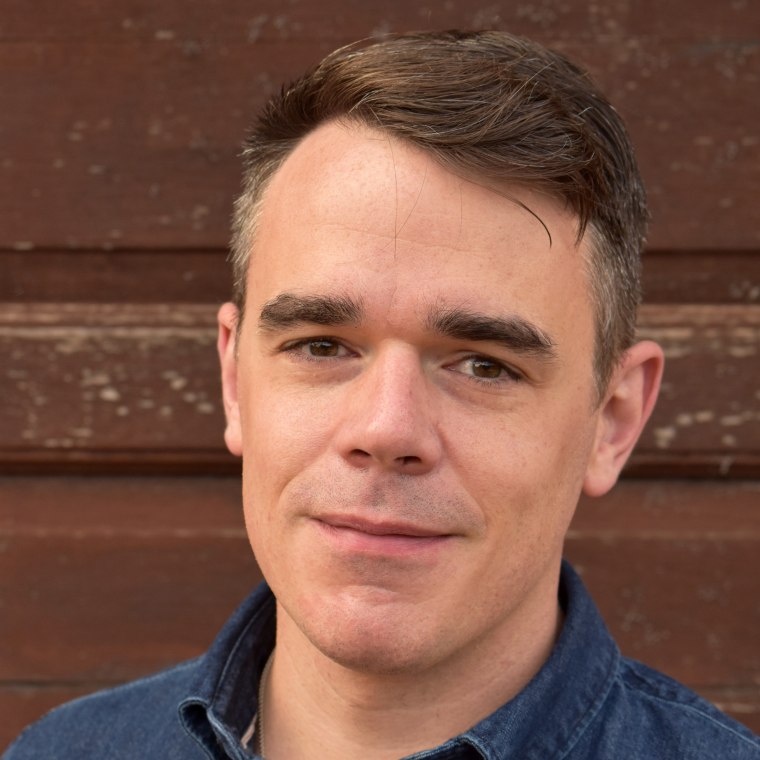
O’Loughlin, a journalist who lives in Chicago, writes in the first chapter that for as long as he can remember, he’s been on a search. “I am gay and I am Catholic,” he wrote. “And I struggle continuously to reconcile those two parts of my identity.”
Micheal O’Loughlin.Courtesy M. Klein
He wanted to speak with people who had lived through similar struggles, and in 2015 a friend who was a priest suggested that he speak to gay Catholics who lived through the height of the AIDS crisis in the United States. He ran with the idea and began tracking down scientists and doctors involved in AIDS work — nuns and priests who served as caretakers to the ill, and activists, including those from the AIDS Coalition to Unleash Power, or ACT UP.
He said he chose to focus on stories of compassion because he is interested in “people who had a lot to lose by taking on the power structure of the church but still did the right thing.”
“So, the priests who minister to gay men dying from AIDS, some of whom come out as gay themselves, and challenge the churches to be more welcoming and accepting,” he said. “The nuns who are really scrappy people who find the resources to learn all they can about HIV and AIDS and then do their own ministry. The gay Catholics who find themselves caught between their inclination to be part of the gay activism world but also remain part of the church.”
He said he kept asking himself, “How do they make this work?”
“I’m drawn to those stories because there’s something universal about summoning the courage to do the right thing when it would be much easier to do nothing,” he said, adding that this courage “applies to all sorts of situations even today.”
The book doesn’t attempt to “rewrite history” and also recounts how church leaders advocated against LGBTQ rights. But at the same time, O’Loughlin said he wanted to make sure the people who did extraordinary things and cite their Catholic faith as their motivation were also part of that history.
He noted that many of the people he spoke with said their journeys were complicated. Over 10 years, Sister Carol Baltosiewich, a nun and nurse from a small city in southern Illinois, traveled to Kansas City, Chicago and eventually New York City to care for people living with AIDS. She told O’Loughlin that she didn’t know any gay people before she began her AIDS work, and she had to reconcile the church’s teachings with her drive to care for people.
O’Loughlin said that it was at times painful for the people he interviewed, including Baltosiewich, to take a hard look at their prejudices and biases before their experiences changed them.
“When she began to learn about HIV and how it was affecting the gay community, it was sort of this whole new culture,” O’Loughlin said. “It was this clash between what she had known and something that was foreign to her, so she eventually learned and grew, but I think that some people are maybe hesitant to look honestly at that time, because there was so much stigma and shame that even the most well-intentioned people really couldn’t free themselves without making a conscious decision, which she did ultimately, but many people were just kind of in this culture that looked with such hostility at the LGBT community.”
Some of the people O’Loughlin spoke to experienced that hostility themselves. The Rev. William Hart McNichols, a Jesuit priest and an artist who attended the Pratt Institute in New York City, ministered to people dying from AIDS-related illnesses. In 1989, McNichols came out as gay publicly in a chapter for a book published by New Ways Ministry, a group that ministers to gay and lesbian Catholics.
He asked the permission of his Jesuit superiors at the time, and they told him that it was his choice to make, but that if he came out he wouldn’t be able to work at a Jesuit high school, college or parish. As an illustrator who worked in a hospital, he wasn’t offended by the response and decided to write the chapter.
O’Loughlin said the LGBTQ people he interviewed all made a decision at some point to stay in the church “no matter how strong the headwinds they faced,” because it was their church, too.
“Once people made that decision, there seemed to be something — whether it was grace or just stubbornness — that kept them involved,” he said. “And that kind of spoke to me as I continue to figure out what place I have in the church and as I interview dozens and dozens of LGBT people every year going through something similar, that you have to make that decision to stay and then be prepared to fight to keep your place in an institution that isn’t always welcoming.”
O’Loughlin wrote Tuesday in an op-ed for The New York Timesthat conducting interviews for his book had a “profound effect” on his faith, so much so that he wrote a letter to Pope Francis to tell him about the book and the conversations he had.
In August, the pope wrote back. The letter was written in Spanish but was translated to English.
“Thank you for shining a light on the lives and bearing witness to the many priests, religious sisters and lay people, who opted to accompany, support and help their brothers and sisters who were sick from H.I.V. and AIDS at great risk to their profession and reputation,” Pope Francis wrote.
The pontiff added, “Instead of indifference, alienation and even condemnation, these people let themselves be moved by the mercy of the Father and allowed that to become their own life’s work; a discreet mercy, silent and hidden, but still capable of sustaining and restoring the life and history of each one of us.”
O’Loughlin wrote that the letter won’t heal old or new wounds — the church still won’t bless same-sex marriages and teaches that homosexuality is immoral — but that it gave him hope that church leaders “will be transformed” in how they see LGBTQ people and “others whose faith is lived on the margins.”
Regardless of whether that happens, O’Loughlin said one of his goals for the book is to show LGBTQ people struggling with their faith that they aren’t alone, and that there are many people who came before them.
“By meeting people and learning about the struggles and learning the history, I’ve realized that this is not new at all,” O’Loughlin said. “The reality is, people have been grappling with these questions for forever … and there’s a lot of wisdom in these stories that have helped me realize I’m not alone at all.”
Comics fans are still reeling from the news that next-generation Superman Jonathan Kent, the son of Clark Kent and Lois Lane, is bisexual. Although DC shared the news on Oct. 11, National Coming Out Day, Kent will explore his feelings for another young man in “Superman: Son of Kal-El” No. 5, dropping in November.
Queer representation in comic books has exploded in recent years, but in 2021 it went supernova: In part that’s due to an expanding presence in sci-fi TV shows and — with the release of Marvel’s “Eternals” next month — a blockbuster movie.
Below we celebrate a dozen comic book characters who hoisted the rainbow flag this year in print or screen.
Superman
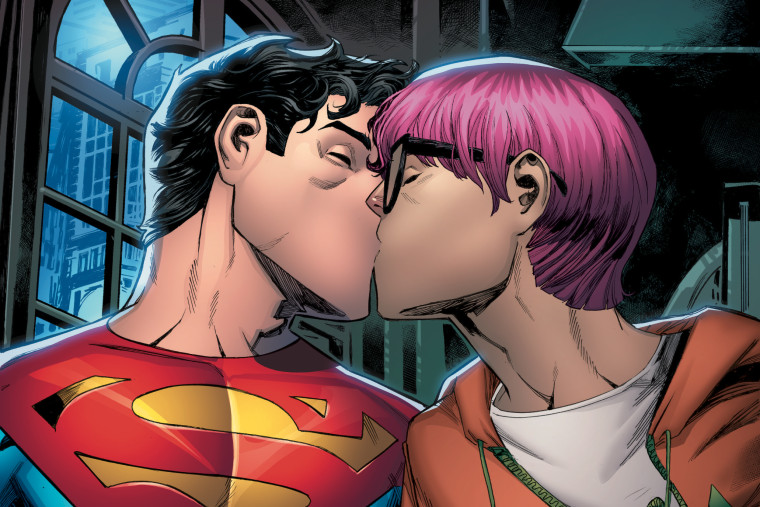
DC Comics announced the new Superman is bisexual and will start a relationship with a man in the forthcoming issue of “Superman: Son of Kal-El.”DC Comics
No, Clark Kent hasn’t come out: His son, Jonathan, is taking on the mantle of the Man of Steel while Dad pursues an existential threat off-planet.
After Jon physically and emotionally burns out from “trying to save everyone that he can,” according to a DC Comics news release, Jay is there to support him. The two have their first kiss in the book’s fifth issue, out on Nov. 9.https://iframe.nbcnews.com/erqkh9l?app=1
Series writer Tom Taylor insists the storyline “is not a gimmick.”
“When I was offered this job, I thought, ‘Well, if we’re going to have a new Superman for the DC Universe, it feels like a missed opportunity to have another straight white savior,’” Taylor told Reuters.
“So, this isn’t everything to do with them. And there’s a reason this is coming in issue five and not issue one. We didn’t want this to be ‘DC Comics creates new queer Superman.’ We want this to be ‘Superman finds himself, becomes Superman and then comes out.’ And I think that’s a really important distinction there.”
Taylor added that he was proud “more people can see themselves in the most powerful superhero in comics.”
Robin
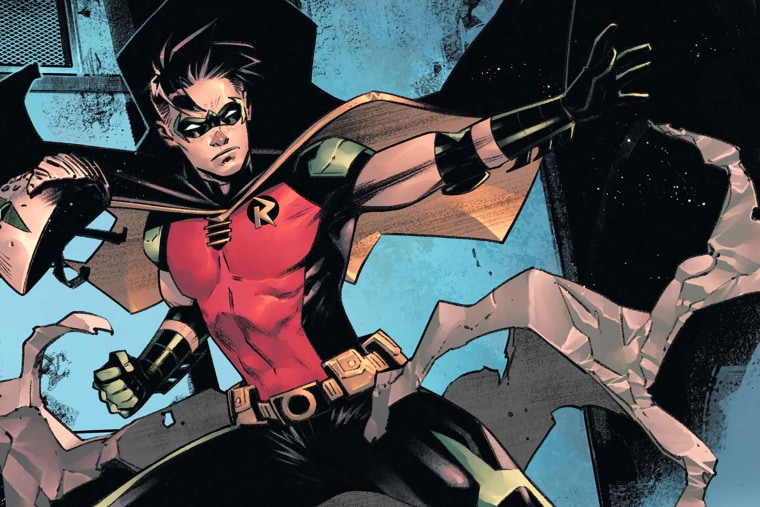
Batman’s “Urban Legends” series featuring Robin.DC Comics
Numerous young men and women have donned Robin’s iconic red and green tights, but it’s Tim Drake exploring his sexuality, starting in “Batman: Urban Legends” Number 5, released Aug. 10.
In the story, Tim reconnects with an old friend, Bernard, who gets kidnapped by the Chaos Monster. Over the course of the issue, Tim realizes his feelings for Bernard are deeper than he’s realized.
“I’ve been doing a lot of thinking about that night and I — I don’t know what it meant to me,” Tim says after rescuing his friend. “Not yet. But I’d like to figure it out.”
Bernard then asks Tim out on a legitimate date, which the young hero accepts.
“Batman: Urban Legends” is an anthology series, so readers won’t learn what happens next for the pair until issue No. 10 in December, when Drake is expected to leave Gotham City.
The character has previously been linked to Stephanie Brown, the superheroine Spoiler. Should he prove to be bisexual or even bi-curious, he’d be the first male member of the Bat family to join the LGBTQ community.
“While female LGBTQ representation is very important, especially in comics, there is also a history of deeming these characters as ‘acceptable’ only because LGBTQ women are often fetishized,” “Urban Legends” writer Meghan Fitzmartin told NBC News earlier this year.
In the DC Comics universe, Batwoman is an out lesbian, Catwoman has been presented as bisexual and antiheroes Harley Quinn and Poison Ivy have been portrayed as romantic partners.
“It becomes uncouth for male characters to explore their sexuality because of what it may mean for the male readers,” Fitzmartin said. “Ultimately, what I want from art is for it to challenge the way we see the world and face us with the truth that exists below the surface.”
The Flash
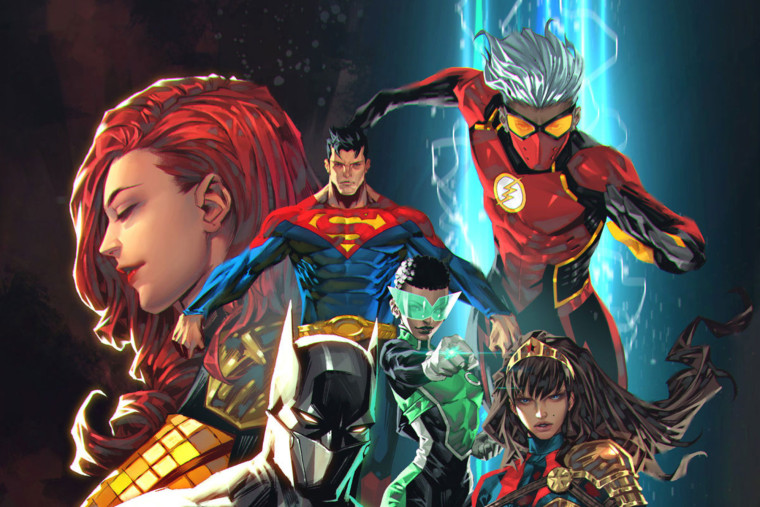
A variant cover for “Future State: Justice League” by Kael Ngu.DC Comics
Jess Chambers debuted as Kid Quick, part of an alternate-universe version of the Teen Titans, in the holiday-themed anthology “DC’s Merry Multiverse” in December 2020. Their universe, “Earth 11,” is not that different from the DC universe we know except genders are reversed, with heroes like Wonderous Man and Aquawoman.
The speedster, who uses they/them pronouns, got a major promotion during the “Future State” storyline that ran through various DC books, miniseries, one-shots and anthologies in January and February and continues to impact current continuity today.
Chambers debuted as the Flash in the first issue of the two-part “Future State: Justice League,” released Jan. 12.
Writer Ivan Cohen said in a reality that is already commenting on gender, it felt natural to introduce a hero that defied the binary.
“In the DC superhero universe, we’ve got a superfast character, Kid Flash. And I thought about how ‘Kid’ can really be any gender,” Cohen told NBC News in November 2020. “There are all these choices we can make — why don’t we do something besides what we would have made up if it was 1965?”
Setting the story on an alternate Earth also freed him from decades of comic-book continuity.
“Earth 11 is such a blank page that making it more diverse didn’t require a lot of shoehorning. No one is going to run to their back issues and complain we contradicted something,” Cohen said. “If someone has a problem that a Flash from an alternative universe is nonbinary, there’s a lot of other comics they can read.”
Batwoman
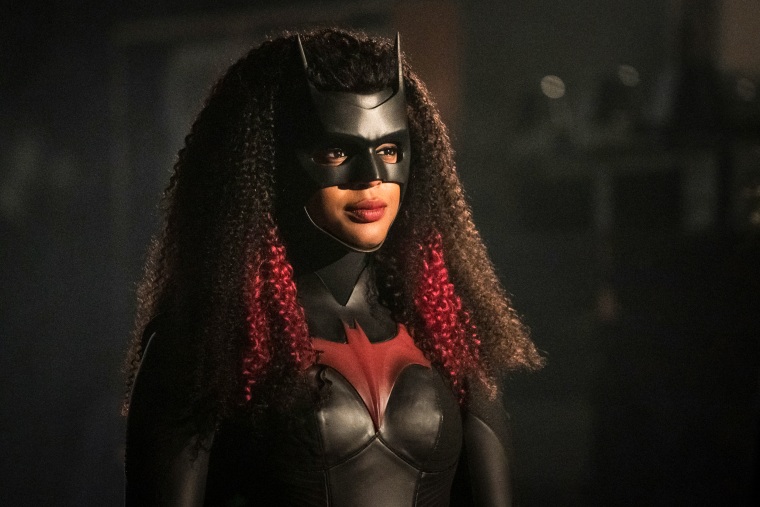
Javicia Leslie as Batwoman.Katie Yu / The CW
Batwoman, a.k.a. Kate Kane, debuted in the 1950s as a female foil to the Caped Crusader. But in 2006, writer Greg Rucka reintroduced the character to comics readers as a lesbian vigilante kicked out of the military for violating “don’t ask, don’t tell.”
During the “Batwoman” season two premiere on Jan. 17, 2021, bisexual actress Javicia Leslie took over Batwoman’s cowl, playing a brand new character, Ryan Wilder.
“What I love is that she’s not only strong enough to keep going, but she’s also an advocate and fights for her community,” Leslie told NBC News previously. “I think that subconsciously it plants seeds of empowerment in our community … seeds of power, strength, and toughness.”
Green Lantern
Green Lantern is more a title than a single superhero name — it’s been used by numerous characters throughout DC Comics’ history. The most famous is Hal Jordan, played by Ryan Reynolds in the 2011 “Green Lantern” film. But the first hero to slip on the magic green ring was Alan Scott, created in 1940 by writer Martin Nodell and artist Bill Finger.
When Jordan’s Green Lantern debuted in 1959, Scott was relegated to an alternate universe and, over the decades, he’s retired, returned to crime-fighting, been tossed in limbo, become an elder statesman, and been rebooted as a young gay crimefighter on yet another alternate Earth. https://iframe.nbcnews.com/HeWRxar?app=1
This year, Green Lantern Alan Scott returned to his roots as an older WWII-era hero who has “walked this Earth for a long time, much longer than should have been allotted,” as he said in March’s “Infinite Frontier” #0.
In the same issue, penned by bisexual writer James Tynion IV, the gray-haired ring-slinger comes out as gay to his adult children, the superhero duo Jade and Obsidian.
Scott admits to having had relationships with a few women — including their mother — but added, “I knew there was something about myself I was hiding away.”
Scott says he was asked to be a guardian of the Earth, and tells Jade and Obsidian, “I didn’t think it would be right to take that job without finally being the whole of myself.”
In May, EW confirmed British actor Jeremy Irvine will play Alan Scott in the HBO Max “Green Lantern” series from Arrowverse architect Greg Berlanti.
Dreamer
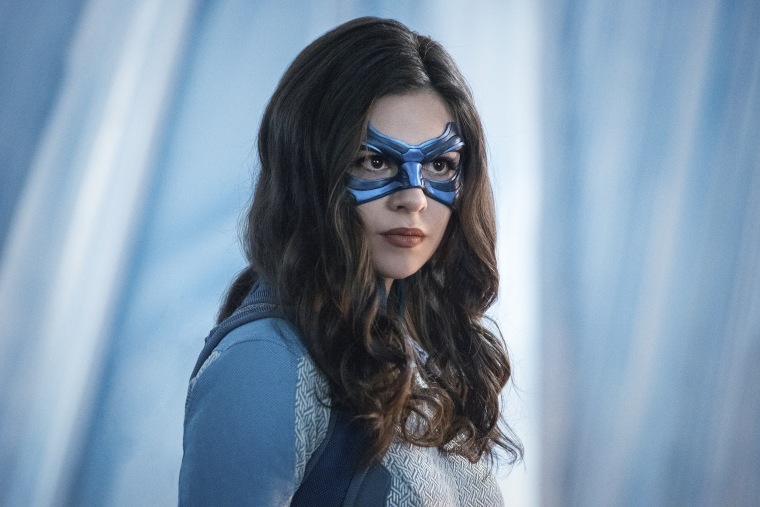
Nicole Maines as Dreamer in “Supergirl” on The CW.Dean Buscher / The CW
Transgender character Nia Nal, whose powers include precognition and astral projection, premiered on The CW’s “Supergirl” in 2018, played by trans actress Nicole Maines.
But she didn’t make her comic book debut until June 2021, in a story featured in the “DC Pride” anthology that also featured out crimefighters Batwoman, Aqualad and Alan Scott.
“Date Night” was actually written by Maines. In it, Nia Nal stops the League of Shadows from poisoning National City in time to make her date with super-intelligent alien Brainiac 5.
“The bar is now set very, very high, because if you can be a superhero, you can be anything,” Maines told Buzzfeed in April. “It’s like, ‘Well, if I can be a superhero, everything else is very easily within reach.’ So, that’s what I hope people take away from seeing Nia.”
She also praised Dreamer as a chance to demonstrate “trans people are more than what’s in our pants. We are more than our trauma. We’re more than our gender. We are just fully-fledged superheroes, who have an arc outside of our transness.”
Captain America
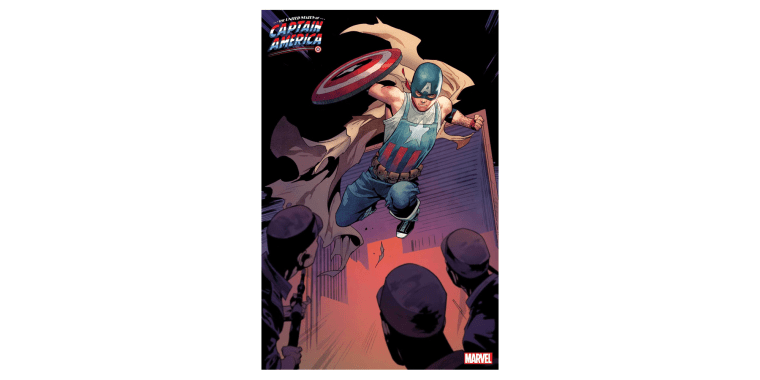
“The United States of Captain America” comic book coverMarvel
In June, Marvel’s “The United States of Captain America” miniseries hits stores, introducing readers to a variety of everyday people from all walks of life who’ve taken up the mantle of Captain America to defend their communities.
One is gay teenager Aaron Fischer, “the Captain America of the Railways,” described in a release as “a fearless teen who stepped up to protect fellow runaways and the unhoused.”
Joshua Trujillo, who wrote Fischer’s debut, said he is “inspired by heroes of the queer community: activists, leaders and everyday folks pushing for a better life.”
Trans artist Jan Bazaldua said she really enjoyed designing the character.
“I am happy to be able to present an openly gay person who admires Captain America and fights against evil to help those who are almost invisible to society,” Bazaldua said in a statement. “While I was drawing him, I thought, well, Cap fights against super-powerful beings and saves the world almost always, but Aaron helps those who walk alone in the street with problems that they face every day.”
Loki
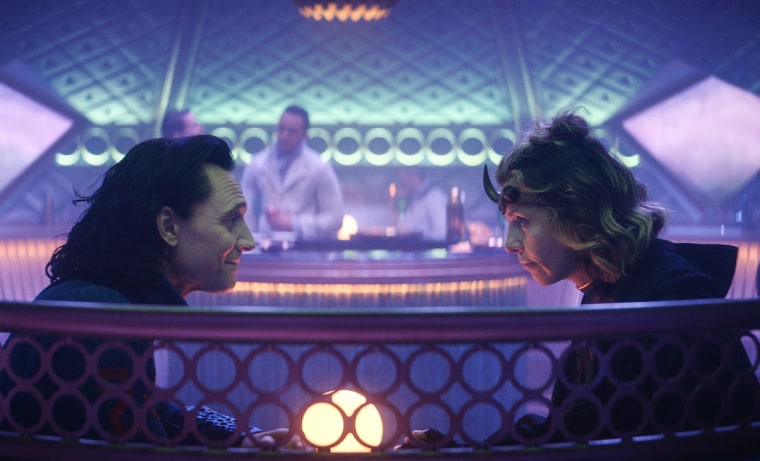
Tom Hiddleston as Loki and Sophia Di Martino as Sylvie in Marvel Studios’ “Loki.”Marvel Studios
Adapted to Marvel Comics by Stan Lee himself in 1962’s “Journey Into Mystery” No. 85, the Norse trickster god Loki is both Thor’s wicked half-brother and a perpetual thorn in the side of the mighty Avengers.
In Norse mythology, Loki is a shapeshifter who has appeared as a fish, a fly and a mare — and gave birth to Sleipnir, Odin’s eight-legged horse. In the comics, he’s been presented as an adult male, a child (“Kid Loki”) and a woman.
In the 2021 Disney+ series “Loki,” Tom Hiddleston’s version of the character was confirmed to be bisexual in the show’s third episode, which aired June 23. In it, Sylvie (Sophia Di Martino), an alternate-reality female version of Loki, asks Hiddleston’s character about his romantic history.
“What about you? You’re a prince. Must have been would-be princesses,” Sylvie says. “Or perhaps another prince?”
“A bit of both,” Loki responds. “I suspect the same as you.”
In a tweet that morning, “Loki” director Kate Herron confirmed the character’s sexuality, writing, “It was very important to me, and my goal, to acknowledge Loki was bisexual.”
“It is a part of who he is and who I am, too,” wrote Herron, who identifies as queer. “I know this is a small step but I’m happy, and heart is so full, to say that this is now canon in [the MCU].”https://iframe.nbcnews.com/5bHJrpt?app=1
Loki won’t be the only queer in Asgard for long: Tessa Thompson, who plays Valkyrie, confirmed her character will be involved in an LGBTQ storyline in May 2022’s “Thor: Love and Thunder.”
“First of all, as king —as new king — she needs to find her queen,” Thompson told audiences in July at the San Diego Comic-Con. “That’ll be her first order of business. She has some ideas. Keep you posted.”
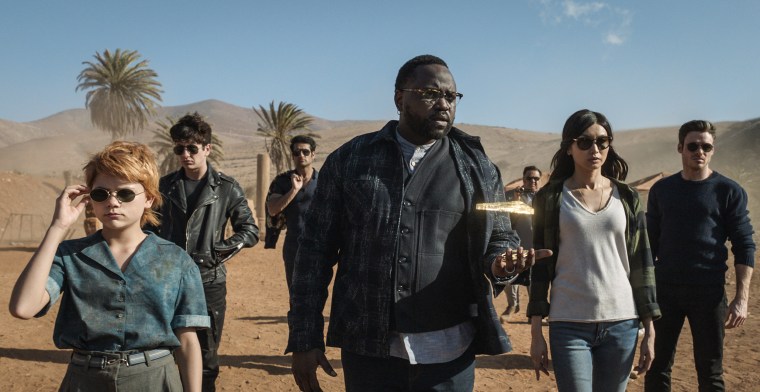
When Marvels’ “Eternals” arrives in theaters on Nov. 5, viewers will get to see the first out superhero in the Marvel Cinematic Universe. Played by “Atlanta” star Brian Tyree Henry, Phastos is described as “a brilliant inventor with a mind for creating weapons and technology.”
While Phastos is part of a tribe of alien immortals with fantastic powers, he is married to a human husband, played by out actor Haaz Sleiman. The two share a kiss, according to Sleiman.
“It’s a beautiful, very moving kiss. Everyone cried on set,” Sleiman told Logo TV last year. “For me, it’s very important to show how loving and beautiful a queer family can be.”
That may explain why the movie has earned a mature rating in Russia, where depictions of LGBTQ people in pop culture are prohibited.
Sprite
Sprite (Lia McHugh) in Marvel Studios’ “Eternals.”Marvel Studios
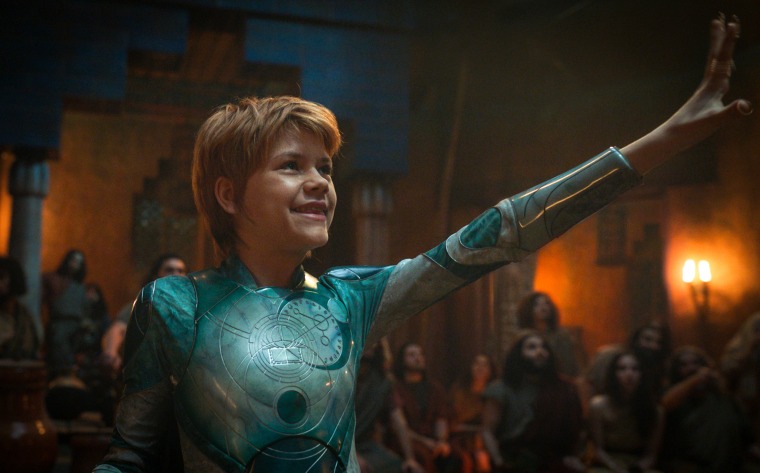
Another Eternal, Sprite appears to be a mischievous tween but is actually centuries old and has been trapped looking like a child. Created by legendary artist Jack Kirby in the 1970s, Sprite has alternately been depicted as male, female and gender fluid.
In the upcoming MCU film “Eternals,” the character is being played by actress Lia McHugh, though it’s not clear what their gender identity will be.
Interestingly, Makkari, an Eternal whose super-speed allegedly inspired the myth of Mercury, has been changed from a male character in the comic books to a female character in the film, played by deaf actress Lauren Ridloff.
Wiccan and Speed
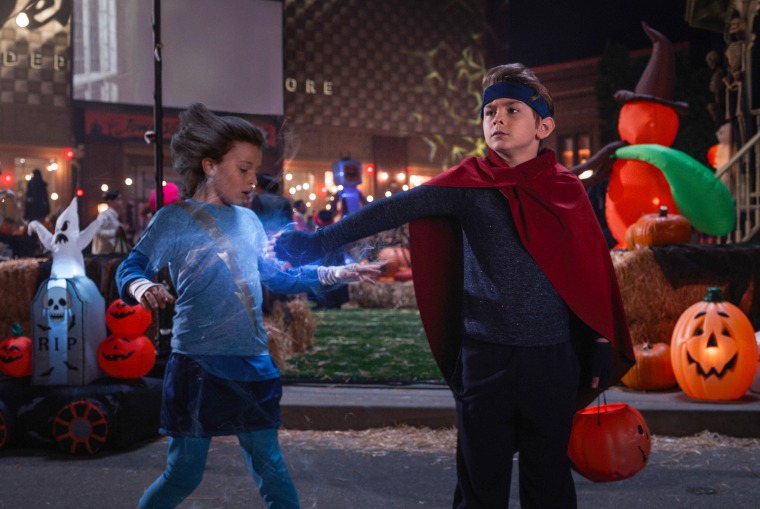
Jett Klyne as Tommy and Julian Hilliard as Billy in Marvel Studios’ “WandaVision” on Disney+.Marvel Studios
Super-powered twins Billy and Tommy Maximoff, the sons of Wanda Maximofff, a.k.a. the Avengers’ Scarlet Witch, made their print debut back in the 2005 comic book series “Young Avengers,” with Billy, alias magic-user Wiccan, already paired with his shape-changing alien boyfriend (now husband) Hulkling.
The twins didn’t make their MCU debut until January 2021 in the hit Disney+ series “WandaVision” as the titular couple’s five-year-old sons. While they don’t exactly assume their grown-up identities in the show, they do begin to exhibit powers — Billy magically ages the boys into adolescence — and wear Halloween costumes that hearken to their superhero alter egos.
With the Scarlet Witch expected to appear in “Doctor Strange in the Multiverse of Madness,” coming to theaters in May, and fellow Young Avenger Hawkeye debuting in her eponymous Disney+ series in November, it’s possible these queer siblings will be back soon, either on the big or small screen.
Kitty Pryde/Shadowcat
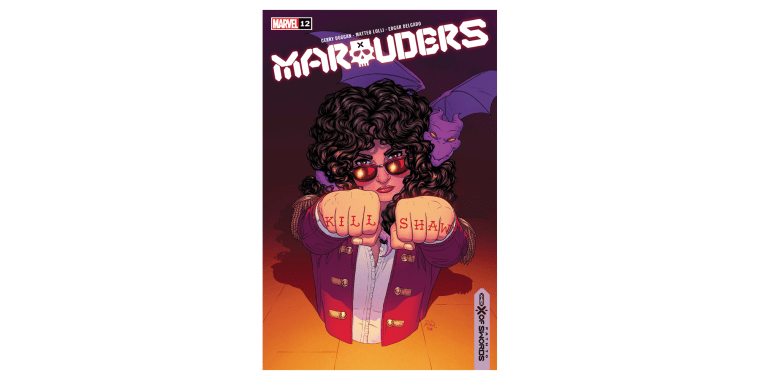
The cover of a “Maurauders” comic bookMarvel
Since her 1980 debut in the pages of “Uncanny X-Men,” Kitty Pryde has been romantically linked to fellow mutant Colossus and Guardians of the Galaxy leader Star-Lord.
But she’s also been, in the words of writer Kat Calamia in GamesRadar, “the queen of subtextual storytelling” with flirtatious relationships with female X-Men Rachel Summers and Illyana Rasputin.
“Some may even go as far to say it was queerbaiting,” Calamia wrote. “Giving just enough to make queer fans ‘happy’ without actually having to deliver on any real representation.”
In Marauders #12, Pryde, who now goes by “Kate,” has been resurrected by her fellow mutants after being murdered by the treacherous Sebastian Shaw. Eager to celebrate her new lease on life, Pryde gets a tattoo and shares a kiss with the female artist who gave her the tat.
“It’s a wonderful scene,” Screenrant’s Thomas Bacon wrote, “not least because artist Matteo Lolli gives Kate a look of sheer delight after she’s initiated the kiss.”
Technically, Marauders #12 had a Nov. 2020 cover date, but since it confirmed long-held suspicions about the X-fave, we’re going to allow it.
“Kitty was trying to find her authentic self, and her near-death experience helped her achieve it,” Calamia wrote. “With so few bisexual characters in superhero comic books (and even fewer bisexual coming out stories), it makes it that much more important for Kitty Pryde’s bisexuality to continue to be visible,”
In the 2014 live-action film “X-Men: Days of Future Past,” Pryde was played by transgender actor Elliot Page.
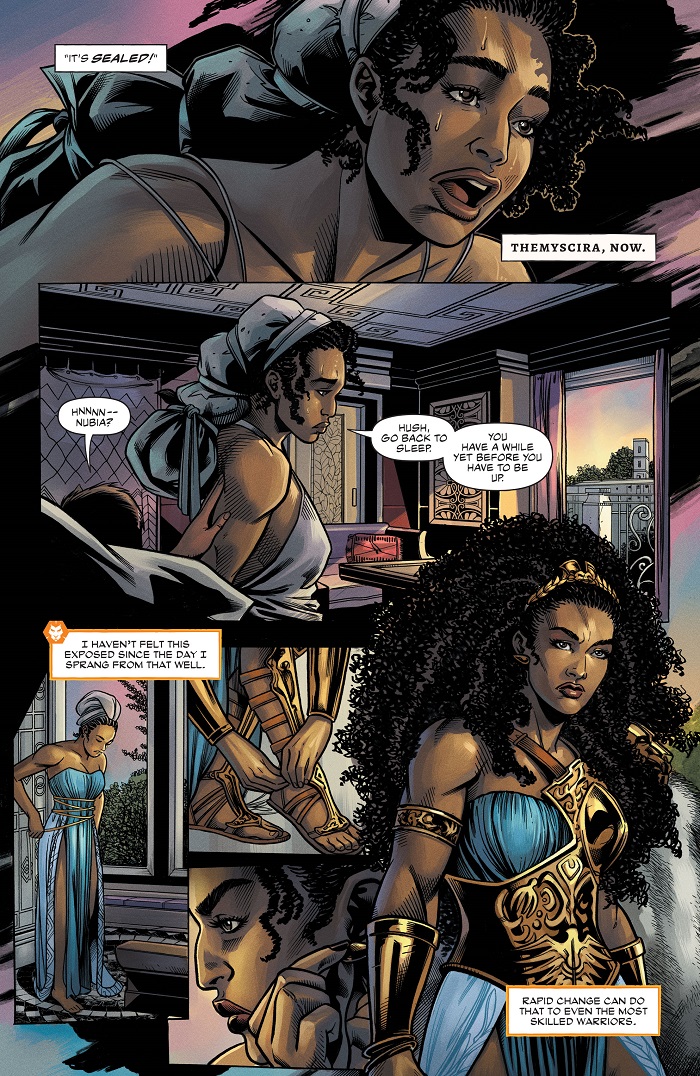
The world of DC Comics-Warner Brothers became more LGBTQ+ inclusive this weekend as the venerable comic book franchise of Wonder Woman expanded with the introduction of the character of Bia, a Black trans woman, in the first issue of the series Nubia & The Amazons.
Earlier this month on National Coming Out Day, the canon of the Superman series changedfor the life of Jon Kent, the Superman of Earth and son of Clark Kent and Lois Lane, taking a bold new direction. After initially striking up a friendship with reporter Jay Nakamura, he and Jon become romantically involved, making Kent an Out bisexual character.
In this latest offering, Stephanie Williams and Vita Ayala, writers and creators confirmed that Bia is a Black Trans woman. They stressed that she “isn’t a box to tick … [she] is important to her community. Just as Black trans women are important to us in real life.”
Of special significance to the introduction of the character in the DC Comic worlds was the endorsement of actress Lynda Carter who played the title role of Wonder Woman on television based on the comic book superheroine, which aired on ABC and later on CBS from 1975 to 1979. Earlier in the week Carter tweeted her support of Trans women;
“It’s been a dream to work with the likes of Vita Ayala, a non-binary Afro-Latinx comic writer who has been making quite a name for themselves. And then there is the illustrious and widely talented and dedicated Afro-Latina artist Alitha Martinez who is already in the comic hall of fame for all-time greats. Her passion for Nubia is unmatched. It shows in every cover and panel from Nubia’s Future State story written by L.L. McKinney, her Infinite Frontier #0 story written by Becky Cloonan and Michael Conrad, and now the Nubia and the Amazons miniseries written by myself and Vita Ayala.”
“I’m so excited about the history we’re creating, adding to, and remixing. The foundation has always been there, but needed some TLC. As Nubia embarks on this new journey as Queen of Themyscira, I hope her rebirth will be met with open arms and the desire to keep her always at the forefront. Nubia, now being queen, is poetic in so many ways, but one that stays on my mind is the very personal connection I feel. As I help to add to her legacy, she’s opened the door wider to my own,” Williams said adding:
“Long may Queen Nubia reign, forever and always.”
Nubia and the Amazons #1 by Stephanie Williams, Vita Ayala and Alitha Martinez is now available in print and as a digital comic book.
Along with co-writing Nubia and the Amazons, Stephanie Williams writes about comics, TV and movies for DCComics.com. Check out more of her work on Den of Geek, What To Watch, Nerdist and SYFY Wire and be sure to follow her on both Twitter and Instagram at @steph_I_will.
Mouths of Rain is a distinct anthology of writings from Black lesbian intellectuals, showcasing the creativity and depth of thought in the community over the last century. Edited by Briona Simone Jones, a doctoral candidate at Michigan State University’s English department, it features academic essays, personal recollections, short fiction, and poetry. The anthology boasts works from well-known figures such as Audre Lorde, Alice Walker, and Ma Rainey, as well less prominent but equally as insightful authors. The title of the anthology is inspired by Lorde’s “Love Poem,” with its line “carved out by the mouth of rain.” As Cheryl Clarke writes in her Foreword, “Lorde’s generation of Black lesbian writers showed us how to talk and write about sex.” Some works have been published before, while others, including an Alice Walker poem, appear for the first time.
The book is divided into five sections, each exploring a different topic. Part I, “Uses of the Erotic,” starts with an excerpt from Ma Rainey’s song “Deep Moaning Blues,” “I went out last night with a crowd of my friends, / It must’ve been women, ‘cause I don’t like no men,” which then moves into a thrilling, explicit sex scene by Harlem Renaissance writer Alice Ruth Moore Dunbar-Nelson. Dunbar-Nelson’s “You! Inez” continues the eroticism with lines like “Red mouth; flower soft, / Your soul leaps up.” These poetic, sensual works ground us in the physical and emotional power of lesbian love, serving as a nice lead-in to Audre Lorde’s “Uses of the Erotic: The Erotic as Power,” which asks women to reclaim their eroticism, so often “vilified, abused, and devalued within Western society.” Lorde argues that the erotic is “an assertion of the lifeforce of women” and allows for deeply profound connections between women. Because eros is “born of Chaos”, it has the power to inspire creativity and “give us the energy to pursue genuine change within our world,” perhaps the greatest means of resisting “racist, patriarchal, and anti-erotic society.”
Part II opens with Anita Cornwell’s essay “Three for the Price of One: Notes from a Gay, Black, Feminist” which relates the challenges she has faced in navigating her many identities. Growing up “Black, poor, and female in the Deep South,” she grappled with ”[the] battles, fears, phobias, and anxieties continually raging within.” Even her first female lover did little to help, for “if she knew other Gay womyn, she kept them rather well-hidden from me.” After several more lesbian relationships, she realized she was “irrevocably Gay” which drew her more into feminism, finding “straight men too sexist” and wondering why straight women “continued to let men use and abuse them.” Sadly, she found the feminist movement racist and unwelcoming, commenting that “fear of encountering racism seems to be one of the main reasons that so many Black womyn refuse to join the Womyn’s movement.” She also had to contend with “the extreme conservatism” within the Black community, so that even relationships with other Black lesbians became “such a harrowing experience.” However, even with all the prejudice she experienced, Cornwell writes that “I am sure glad I will never have to find out” what her life could have been had she not been lesbian.
Ann Allen Shockley’s “A Meeting of the Sapphic Daughters” tells, in fictional form, a similar tale to Cornwell’s essay. Lettie and Patrice are a Black, professional couple who attend an all-white lesbian group. The “bouncer” at the event stares at Patrice “long, hard, silent,” and the group’s president asks them if they “live around here,” which they take as a “subtle warning.” While confronting racism, they also question their own stances, asking themselves, “Have we come out to our colleagues, friends – students?” after lamenting their inability to find other lesbians of color. This story and others highlight the prejudices remaining within these different groups, and the work still needed to make them more welcoming places.
Part V, “Radical Futurities”, contains some of the more academic pieces, with essays such as Bettina Love’s “A Ratchet Lens: Black Queer Youth, Agency, Hip Hop, and the Black Ratchet Imagination,” which looks at how queer Black hip-hop artists use the concept of “ratchet” as a way of challenging the idea of respectability. Cathy Cohen’s “Deviance as Resistance: A New Research Agenda for the Study of Black Politics” suggests that those in the Black community who are “different” might have other ways of engaging in political struggle that are worthy of study. Lay readers might find these later essays, with their academic jargon and more removed tone, less approachable than the more personal works; still, they address important issues. Susana Morris’ “More than Human: Black Feminisms of the Future in Jewelle Gomez’s The Gilda Stories” is a compelling look at Gomez’s science fiction novel about a Black lesbian vampire whose ethics, Morris suggests, might present an alternative to humanity’s self-destructive impulses.
The selections are wide-ranging enough so that every reader can find something of interest, from scholars and students to those just casually exploring the subject. One minor drawback, though, is a lack of publication dates for the older, “vintage” pieces. While reading them usually makes the era apparent, providing dates at the start might give a more immediate sense of the historical development. Still, the diversity of pieces, from across time and labels, written by “dykes, queer women, butches, femmes, and lesbians,” as Cheryl Clarke writes in her foreword, impressively shows the richness of Black lesbian intellectual life. Mouths of Rain is a timely anthology of writings that will certainly spark conversations, connections, and ideas, both within the community and beyond.
Peter Staley’s much-anticipated new memoir, Never Silent, opens with almost unbearable nail-biting suspense, sweeping us into the behind-the-scenes machinations of an ACT UP takeover of the New York Stock Exchange at opening bell. It’s legitimately dangerous, timed to the second, and absolutely thrilling, written with the intensity of a spy novel.
For that matter, the phrase “No Time to Die” more perfectly captures the haunted and mortality-driven triumphs of ACT UP better than any of the antics James Bond might conjure.
Staley is just getting started, with nearly every significant ACT UP action of their heyday re-lived in vivid detail on the pages that follow.
Along the way, Staley shares the backstage planning, the ego clashes, and his own growing confidence as he transforms himself from a closeted gay man on the road to corporate slavery into an activist proudly living with HIV who terrified and negotiated with the highest levels of our national and international healthcare systems.
Many a community advocate will recognize the constant tension between grabbing the limelight for the greater good, as Staley, a self-proclaimed “media whore,” does so expertly, and his own self doubts as he faces the passive jealousies and second-guessing of others. When he was right and when he was wrong, Staley copped to his faults but kept moving forward.
There is a generosity of spirit that permeates Staley’s reminiscences. For all the fear ACT UP engendered during the height of their visibility, Staley has few scores to settle in Never Silent. He doesn’t have his friend and mentor Larry Kramer’s destructive capacity to lash out in anger or righteous indignation. As much as he clearly loved Kramer, Staley sees each of the protests as a means to an end, always working an “inside track” within institutions he hoped to change while protests – sometimes quite literally – raged outside their doors.
Staley was always a bridge-builder, a trait that would eventually lead him away from ACT UP and to his co-founding of Treatment Action Group.
Staley’s writing on his own struggle with crystal meth is particularly moving and shows a deep and earned humility. It confounds him that his addiction couldn’t be beaten through a lively protest or the sheer force of his considerable will. These passages bear the scars of the meth crisis among gay men, and the parallels with the AIDS crisis – such silence in the face of suffering – are pointed and heartbreaking.
The version of Peter Staley, then, that has been seared into our consciousness via iconic photographs and his central place in the documentary How to Survive a Plague, is a partial view and Staley is clearly anxious to show us the rest – his coming out, the sexuality he enjoyed before and after his diagnosis, and how AIDS flipped the table on his Wall Street aspirations.
The issue of privilege – the gay white men who almost exclusively populate Never Silent – is addressed inasmuch as Staley acknowledges his own, repeatedly. In light of Sarah Schulman’s recent book, Let the Record Show, which challenges the dominant narrative of gay white men as singular AIDS activism saviors, Staley’s account may leave some readers wanting more on this topic, but Staley chooses, perhaps wisely, to leave that particular historical excavation to others.
Is Never Silent, then, the work of a lion in winter? Hardly. In a legal fight happening right now that could mean eye-popping monetary settlements, Staley is the lead plaintiff against multiple pharmaceutical companies for anti-competitive practices, in Staley vs. Gilead. Never Silent is a title that lives very much in the present tense. Staley isn’t nearly done with history.
In honor of LGBTQ History Month, celebrated every October, here are books that aim to shed light on and clarify significant historical moments that informed and shaped the modern lesbian, gay, bisexual, transgender and queer rights movement.
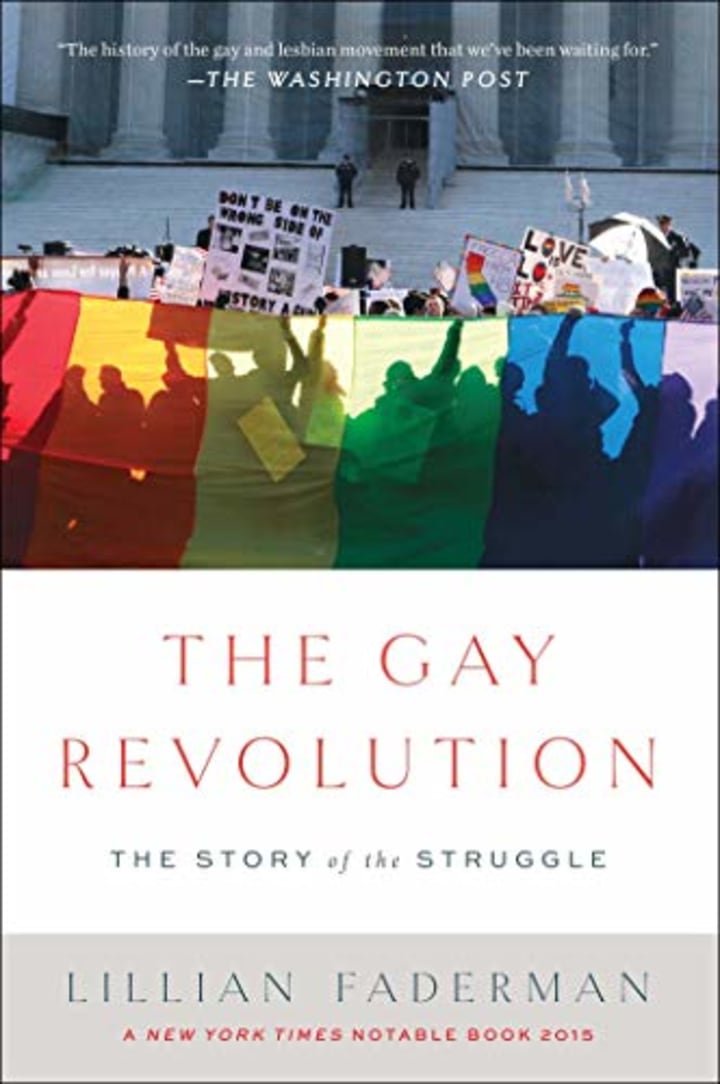
A thorough introduction to the history of the gay and lesbian civil rights movements, this book chronicles the early struggles of LGBTQ individuals from the 1950s to present day using a compilation of enlightening interviews with politicians, military officials and members of the community.
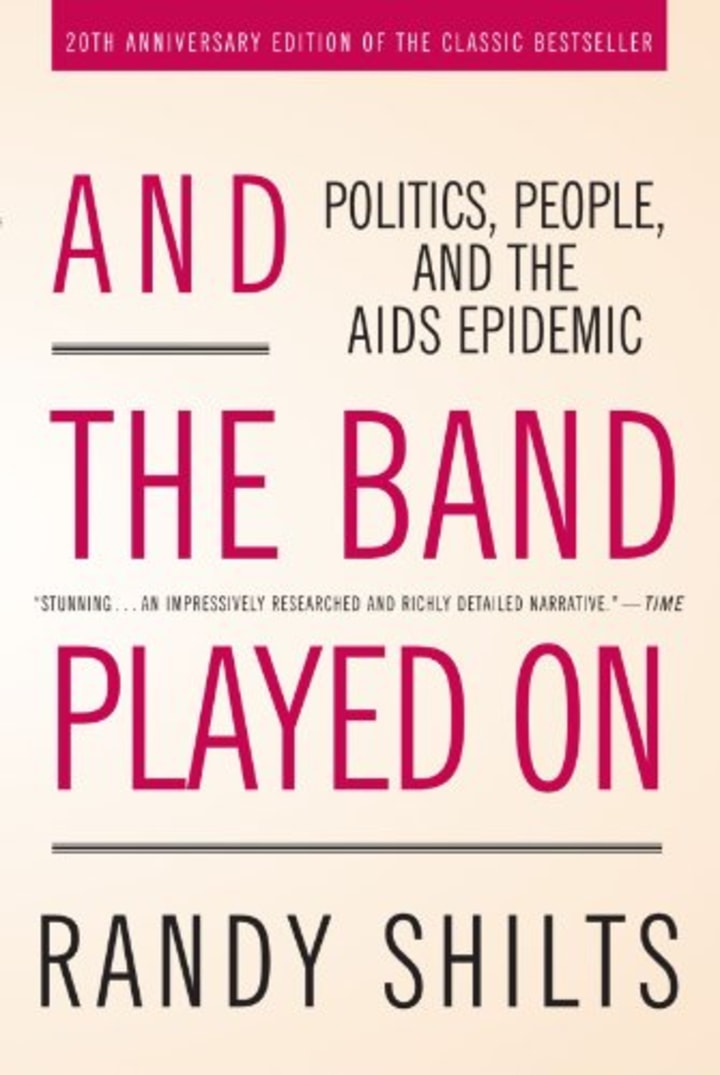
A blend of investigative reporting and vivid storytelling, this account follows the rise of the AIDs epidemic using the narratives of doctors who were on the front lines of the outbreak, politicians and scientists who ignored it, and the real people who were affected by government’s negligence.
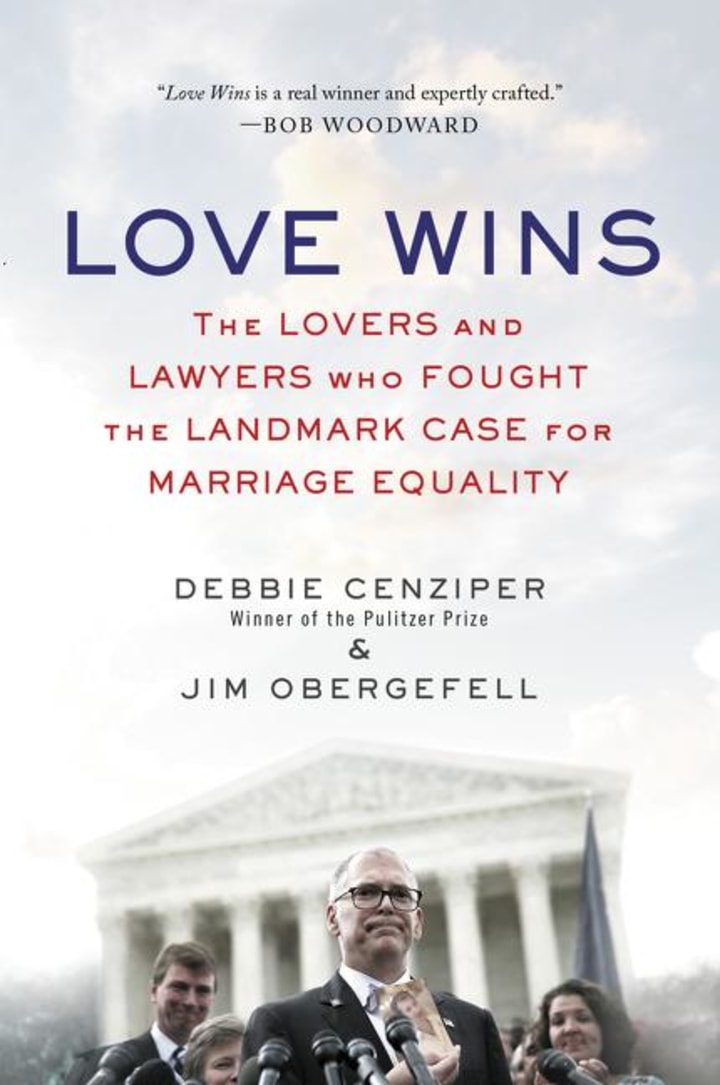
“Love Wins” details the the personal moments and conversations between the team of legal professionals, activists and individuals who successfully showed the world that everyone deserves the right to marry who they love while simultaneously honoring a dying man’s last wish.
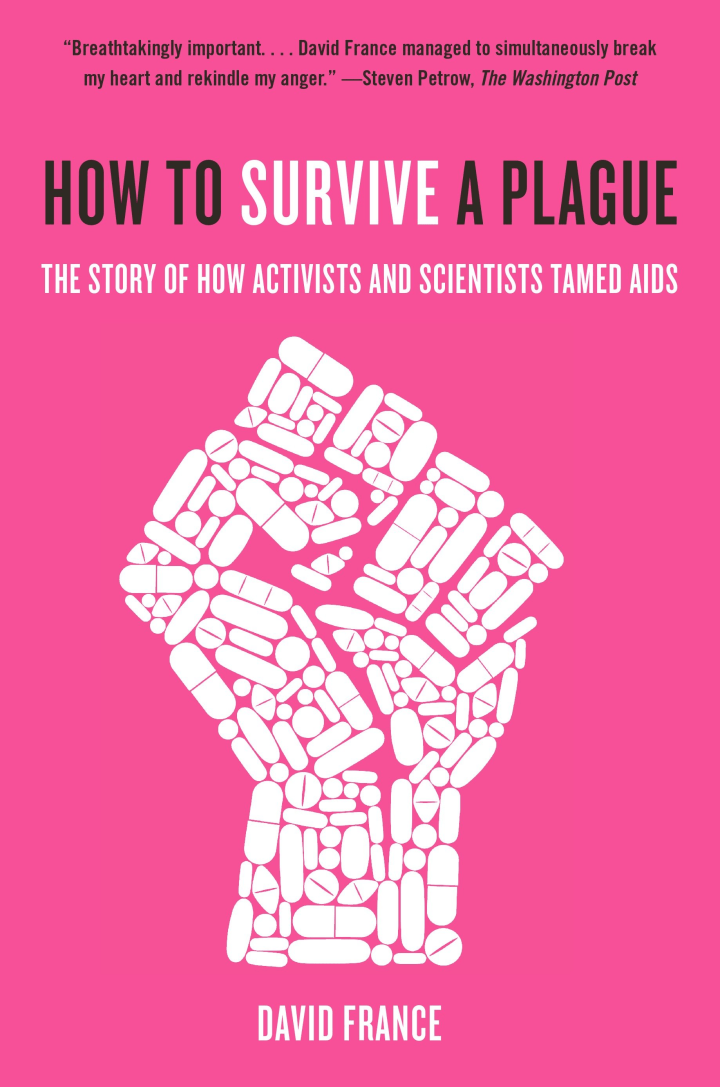
Inspired by the 2012 documentary by the same name, “How to Survive a Plague” recreates how a handful of shunned activists and AIDs-infected individuals researched AIDs and possible cures in a desperate attempt to save their own and their loved ones’ lives.
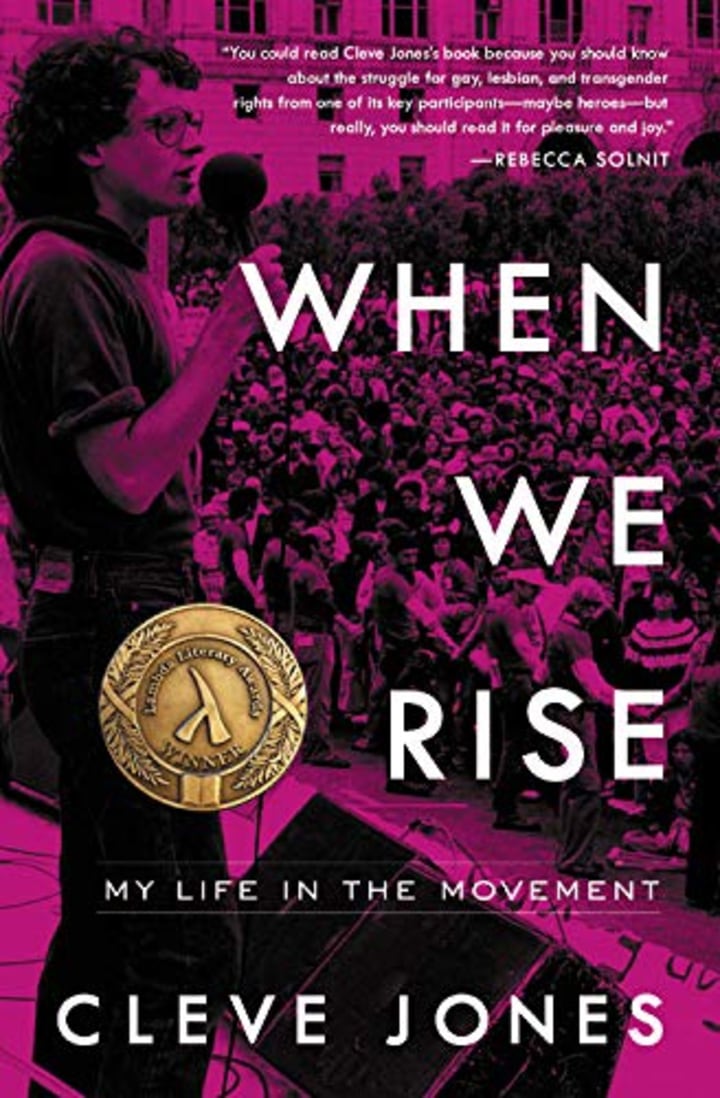
This semi-autobiographical account follows Cleve Jones as he explores his identity as a gay man in the 1950s, discovers a community and a cause through his mentor, Harvey Milk, and copes with the ravaging effects of the AIDS epidemic.
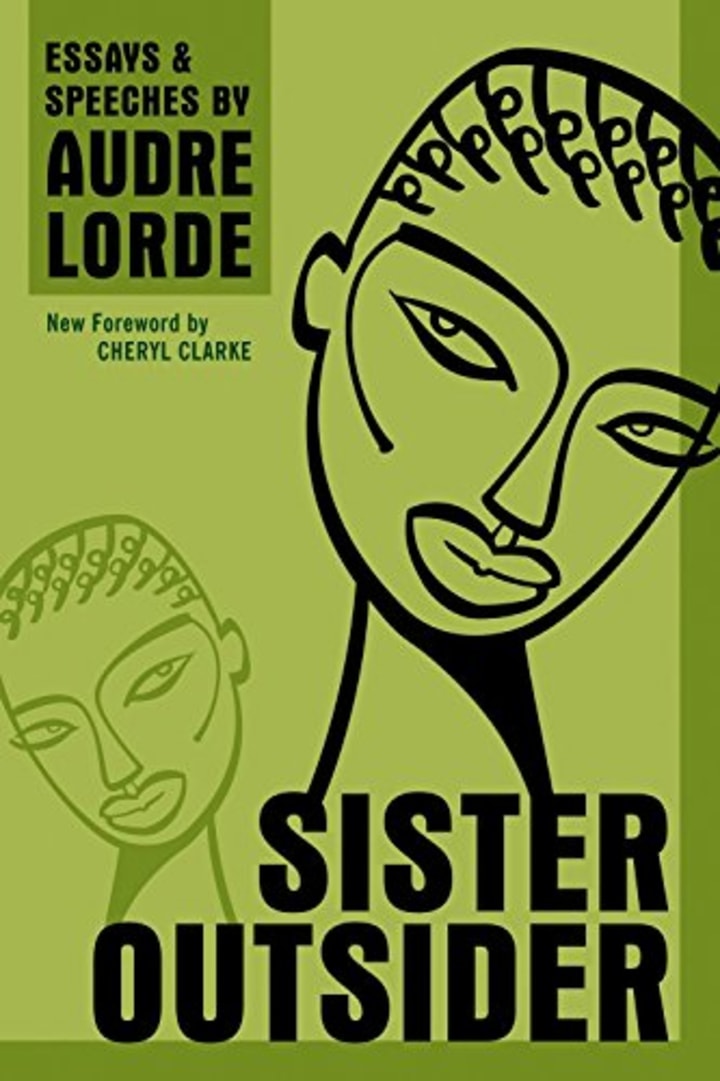
A celebration of intersectionality, black lesbian poet and feminist Audre Lorde analyzes the presence of ageism, sexism, racism, classism and homophobia in her own life through a collection of lyrical essays and speeches.
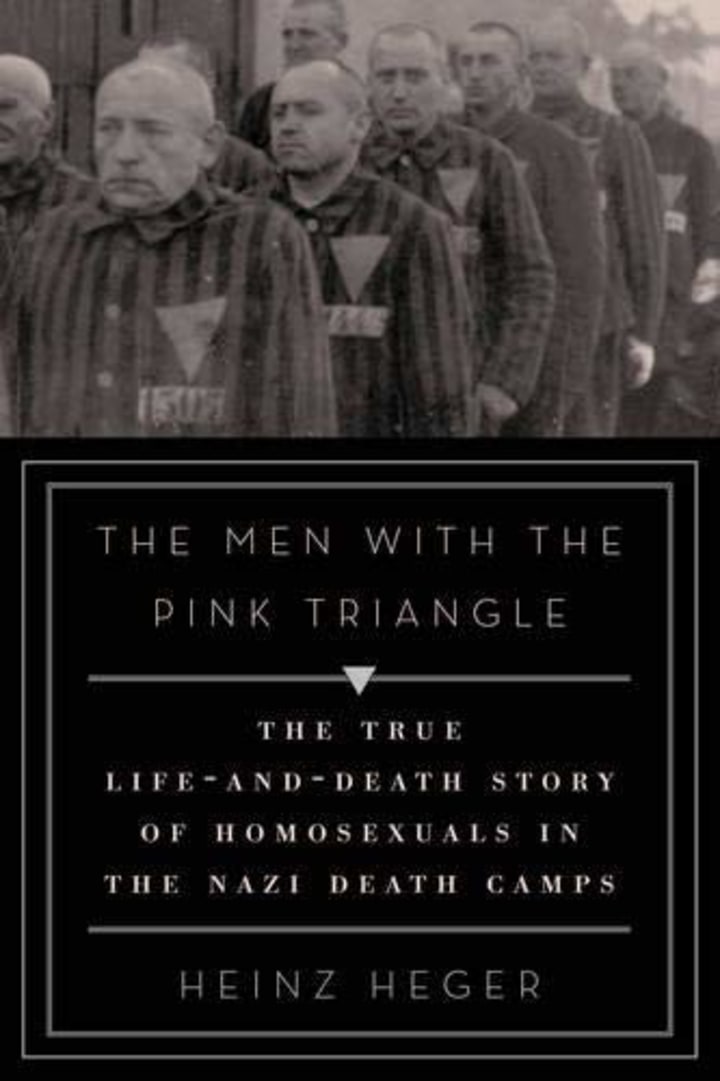
In lurid detail, Heinz Hager unfolds the true story of Josef Kohout — a man who was imprisoned in a Nazi concentration camp for being gay — and effectively reminds the world of the torture gay individuals suffered at the hands of the Nazi regime.
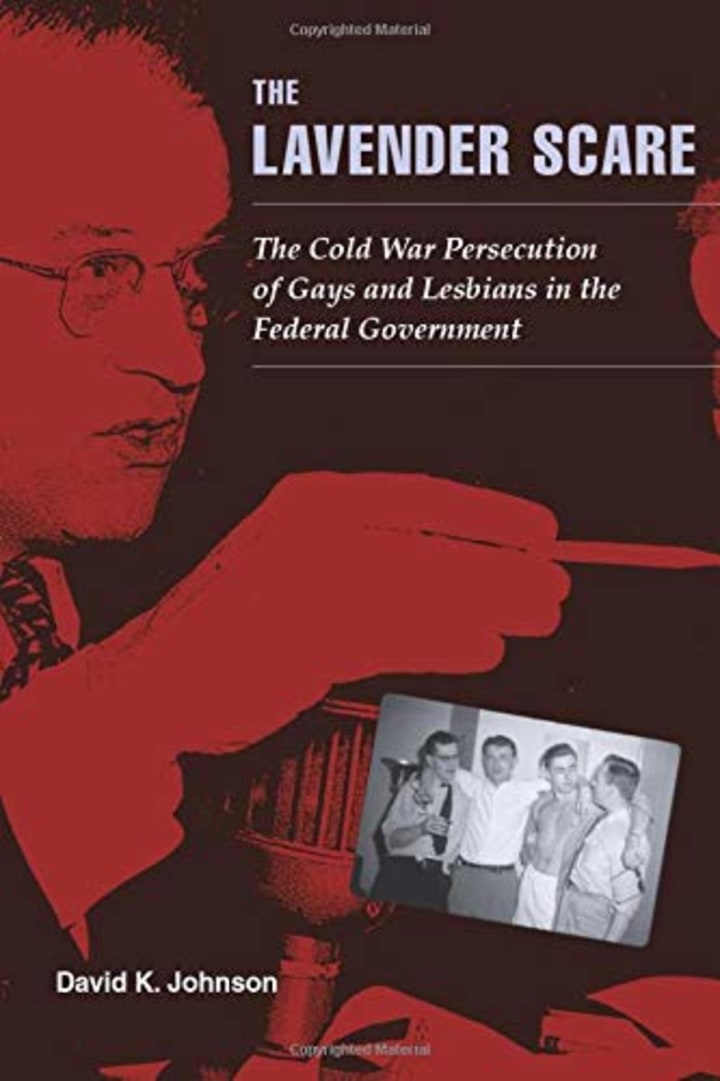
With the help of declassified documents and interview with military officials, David Johnson argues that Senator Joseph McCarthy was just as guilty of promoting anti-Communism paranoia as he was inspiring policies that considered homosexuality a threat to national security.
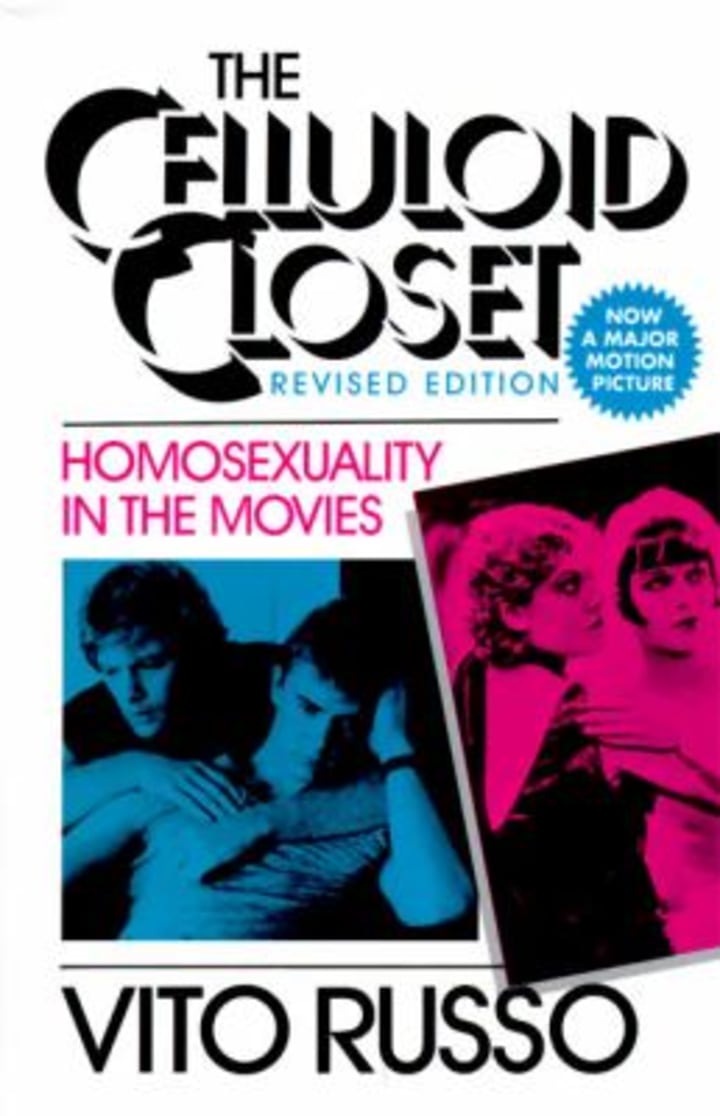
Published in 1987, Russo’s analysis of the portrayal of homosexuality in film has laid the foundation for the how we evaluate LGBTQ representation in film today and has supported the argument that representation matters.
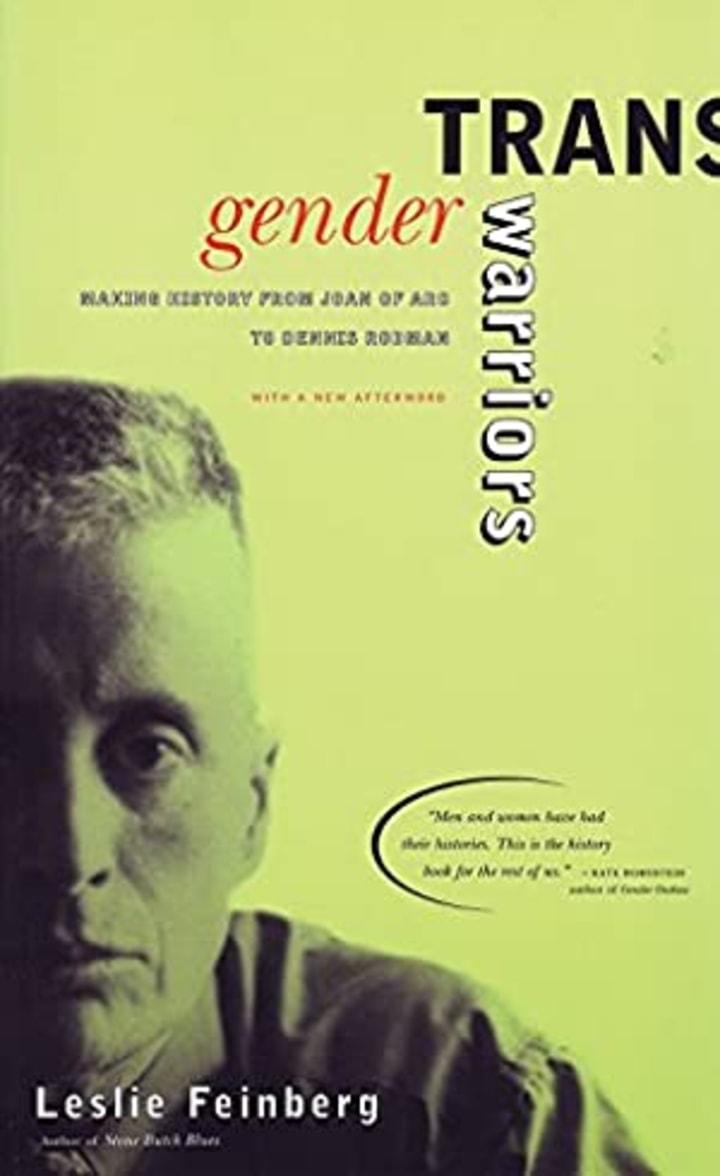
In this account, Leslie Feinberg scours history to reveal possibly gender-nonconforming and transgender individuals that traditional historical accounts have often ignored or misrepresented.
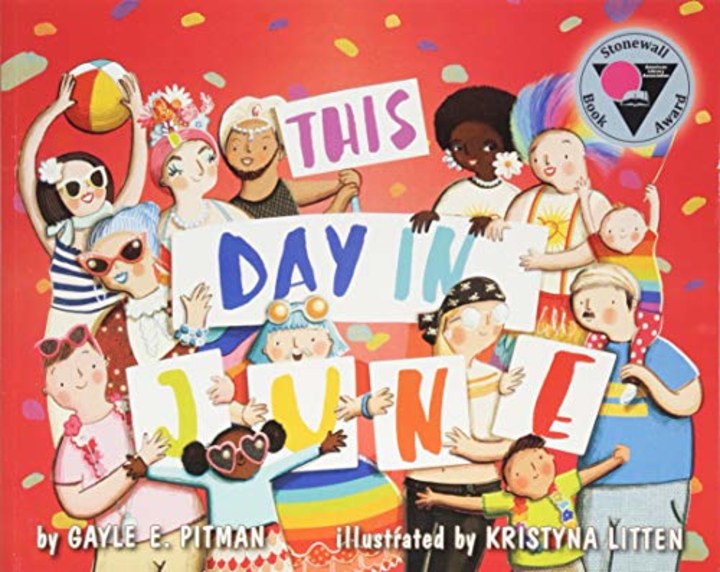
Take your child on a whimsical adventure to a pride parade in this colorful children’s book, which also includes creative ways to introduce your child to LGBTQ history and other topics about gender and sexual orientation.
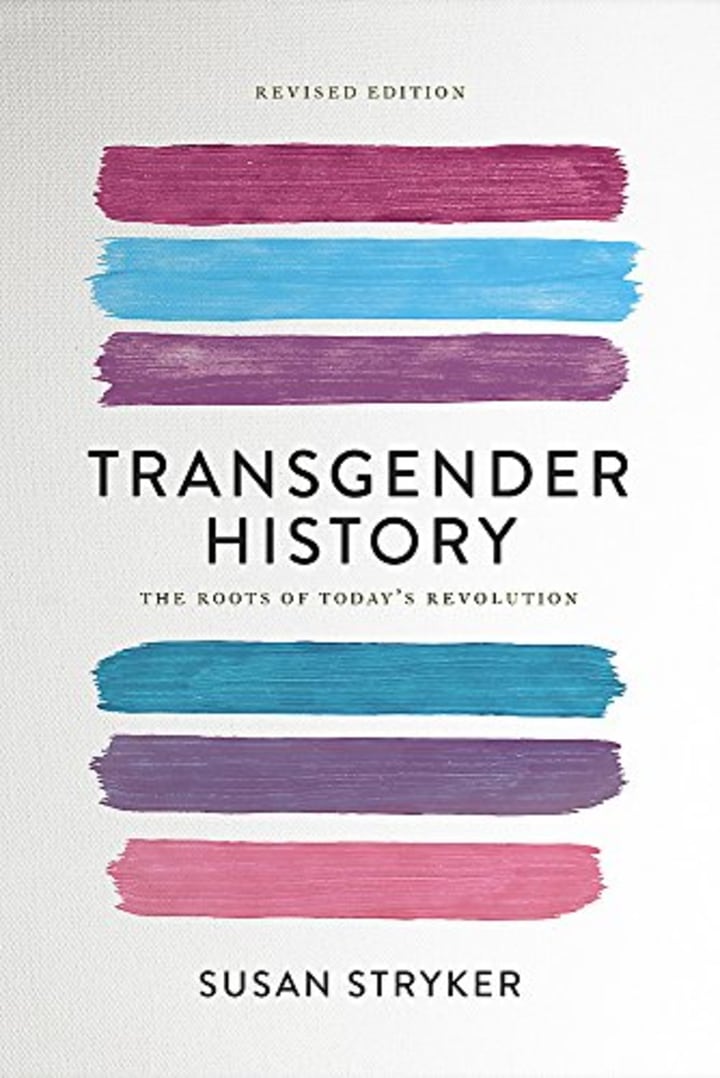
From the transsexual and transvestite communities during the post-World War II era to trans radicalism and social change in the ’60s and ’70s and the gender issues that took hold in the ’90s and ’00s, “Transgender History” details the most significant events, people and developments for trans communities in the U.S.
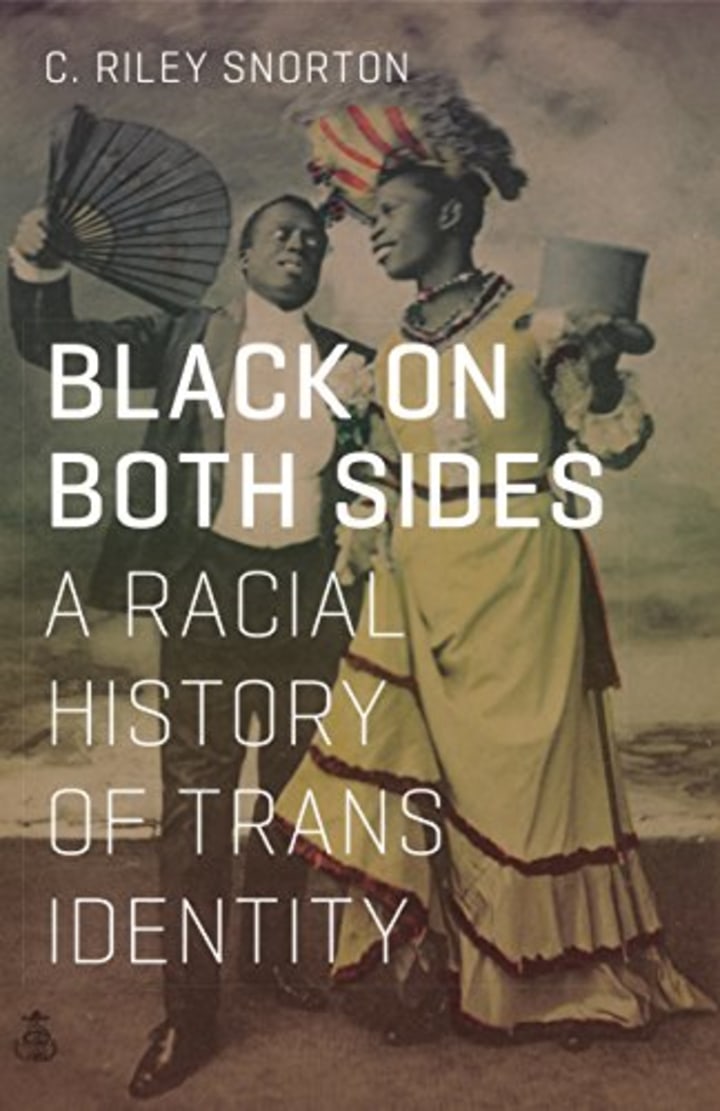
In “Black of Both Sides,” C. Riley Snorton details the intersection of black and trans identities from the mid-19th century to today, and in doing so, highlights the lives of integral black trans figures like Lucy Hicks Anderson and James McHarris, who have often been overlooked.
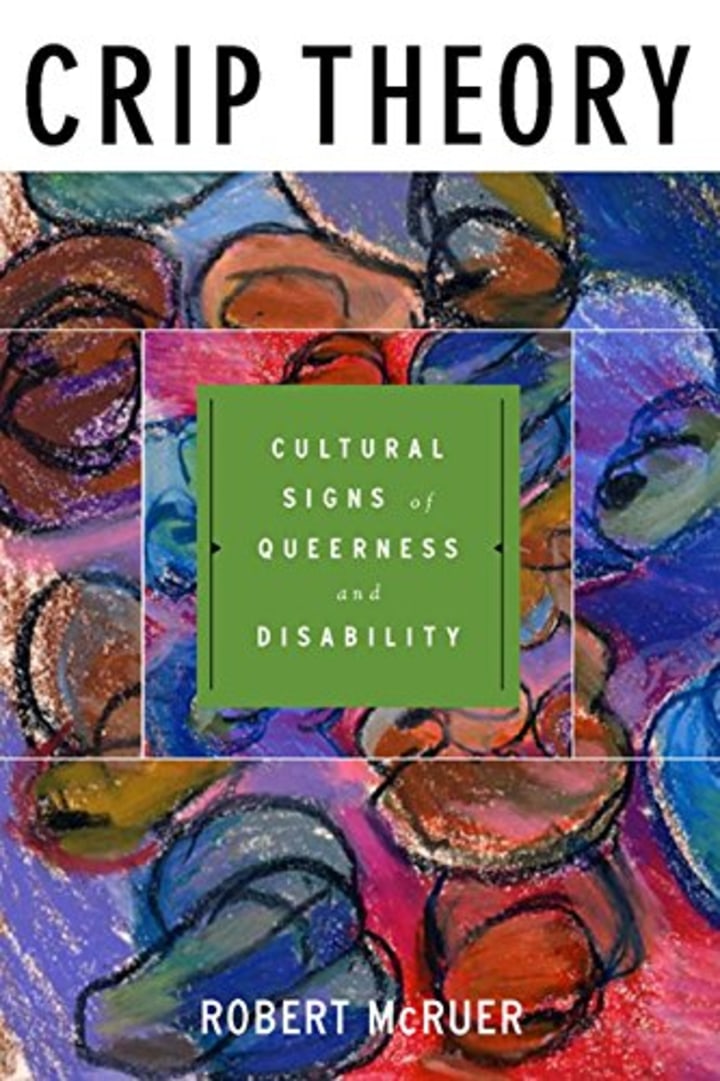
McRuer draws on queer and disability studies in “Crip Theory” to present a more nuanced view of LGBTQ people with disabilities and examine how certain bodies are deemed normal versus abject by society.
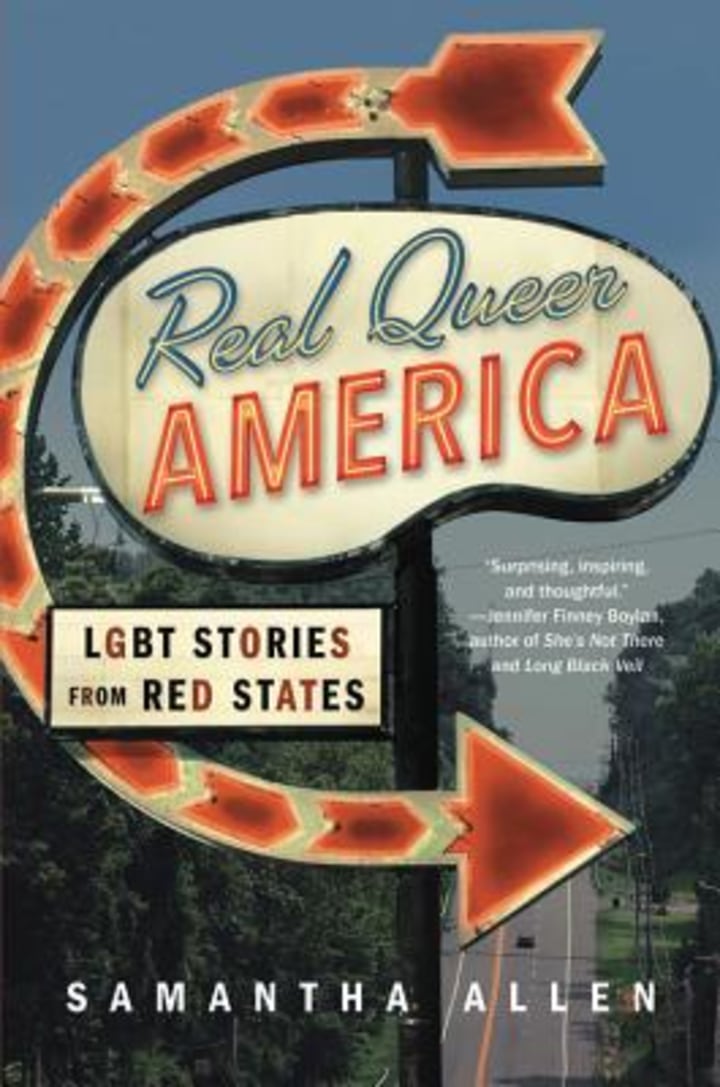
In “Real Queer America,” Allen, a transgender reporter, looks at the unique challenges, triumphs and narratives of LGBTQ people living in the U.S.’s most conservative counties.
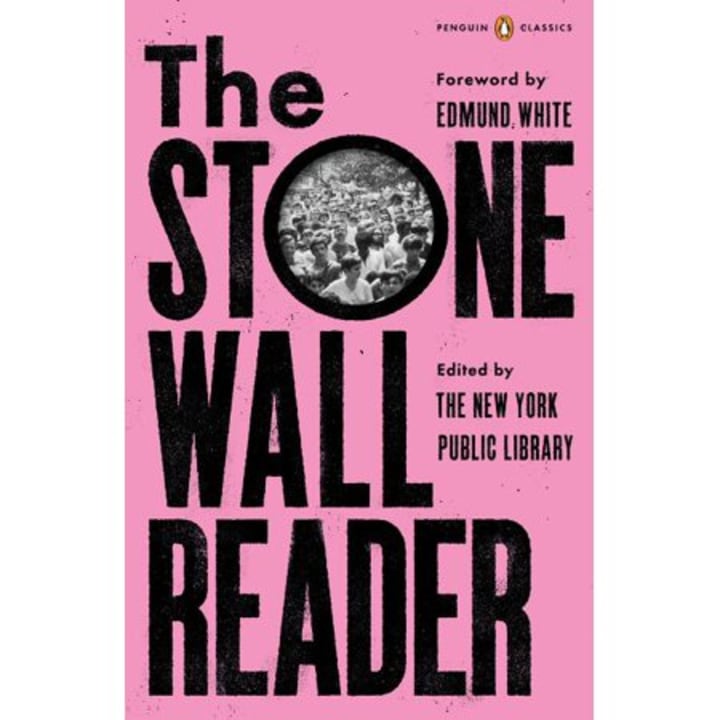
16. “The Stonewall Reader” by Edmund White (foreword) and The New York Public Library (edited)
This anthology — a collection of essays and articles from The New York Public Library’s archives — was released in conjunction with the 50th anniversary of the Stonewall uprising and chronicles the fight that sparked the modern LGBTQ rights movement.
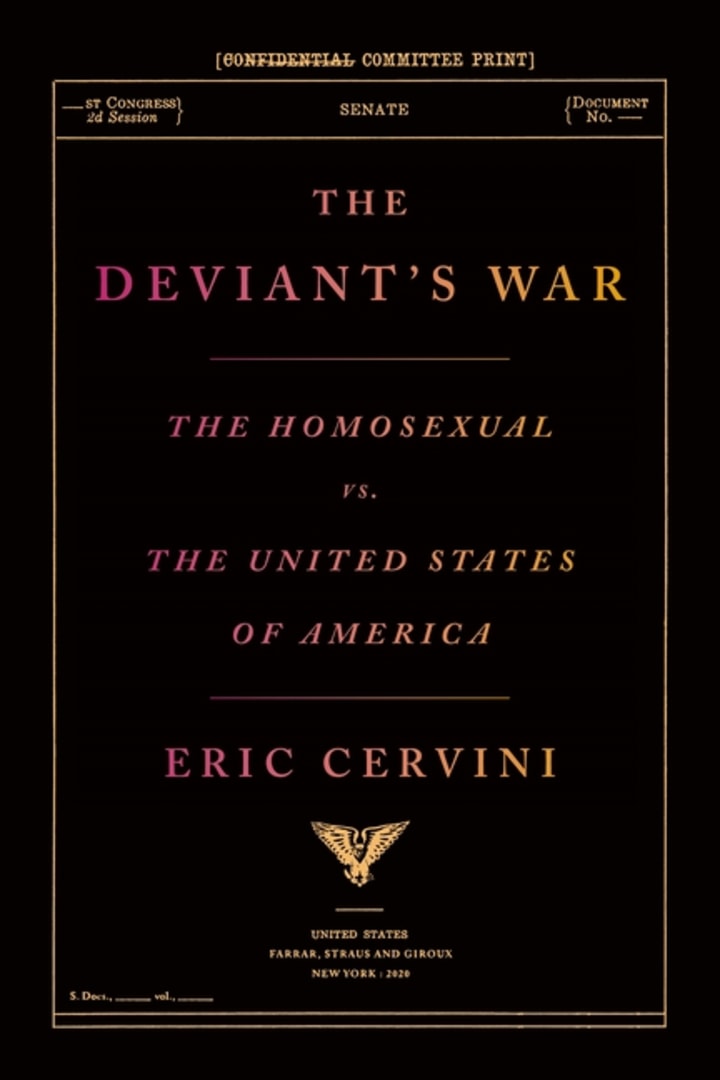
While many believe the fight for LGBTQ rights began at New York City’s Stonewall Inn during the summer of 1969, it actually began with a grassroots “homophile” movement that has been largely overlooked. In “The Deviant’s War,” the firstLGBTQ+ history book to make the New York Times Best Sellers list in more than 25 years, historian Eric Cervini debunks that common misconception. Cervini documents the work of Frank Kameny and other gay activists during the late 1950s and ‘60s, illuminating their role in laying the groundwork that would lead to the Stonewall uprising.
“All of us share this world for but a brief moment in time,” Barack Obama said in Cairo in 2009. “The question is whether we spend that time focused on what pushes us apart, or whether we commit ourselves to an effort … to find common ground.” Just pages before the end of his debut novel, Radiant Fugitives, Nawaaz Ahmed turns to this quote, crystallizing what has become, by that point, one of the book’s major themes: the struggle to forge a path through estrangement and open oneself to potential togetherness. (Far from feeling redundant, Obama’s words poignantly steer the novel’s ascent to its blazing and devastating coda.) Set against the backdrop of an America in socio-political unrest, where personal dramas and political ones play out both independently and cheek by jowl, Radiant Fugitives is an expansive family saga enriched by brilliantly wrought characters and a dazzling lyricism.
Seema, estranged from her husband Bill, has decided to raise her unborn son on her own, and to prepare for the child’s arrival, her sister and mother have come to San Francisco. It’s the first time the three have gathered in fifteen years: Seema, once the family’s beloved daughter, was cast out by her father when she came out as lesbian. Now, with the door closed on her radical queer activist past, she has turned her focus to more mainstream political organizing, working for the campaigns of Howard Dean, Obama, and Kamala Harris. She sees her strength in her “ability to raise anchor and sail away, and reestablish herself elsewhere, in more favorable waters” when faced with change.
Her sister Tahera, an OB-GYN living in Texas with her husband and children, is devoutly Muslim—”anchored” by her devotion—and, like their father, she has turned her back on Seema in the years since her coming out. She has made it clear that she is not visiting San Francisco to see Seema, but rather to see their mother, Nafeesa. Aging and ill, Nafeesa is visiting from India, and it’s unspoken but understood that this will be the last time she and her daughters will be together. She is driven by a feeling of responsibility to repair the rift between her daughters and is eager to make amends, but she’s also burdened by her own guilt for not attempting to more deeply understand her daughters sooner. Together again, Seema and Tahera struggle to redefine their relationship. At first, Tahera fights against Seema’s invocations of “their shared history after renouncing all rights to it,” but it is through the poems of Keats—poems they studied and recited as children under their father’s tutelage—that Seema begins to get through to her. Tahera is swept back into the world of the poetry, finding in it windows that crack open to give her an understanding, however small, of her sister’s life.
Ahmed threads in questions of second chances, the ways in which we express love and loyalty, and the elements—memory, family, hope, hurt—that shape each person’s vision of the world.
Meanwhile, in Texas, Tahera’s husband and children experience the fallout from a series of escalating anti-Muslim hate crimes at the local mosque. Tahera struggles to remain protective of her faith in a country that demonstrates more animosity towards it every day. Her eleven-year-old son, Arshad, is already aware that he is coming of age in a hostile, intolerant nation eager to perceive him as a threat. The novel’s middle section—which takes place earlier, spanning the period between the start of the Iraq War and Obama’s election—develops Seema and Bill’s relationship, first as friends who meet at a demonstration, then as lovers who eventually marry. Here, Ahmed further examines the different ways in which the political is entangled with the personal. Bill is startled by Seema’s anger over the Iraq War, while Seema never completely understands Bill’s deep reverence and admiration for Obama, instead hung up on the president-elect’s unwillingness to come out in full support of marriage equality.
Seema’s pregnancy—and her acute knowledge of the world into which she will bring a child—hovers over the narrative like a specter. Ahmed has made the bold and unique decision to frame the novel with Ishraaq, Seema’s unborn son, as its narrator, and the result yields a voice unlike almost any other narrator I’ve encountered. The choice allows Ahmed great flexibility with point of view. Often, unborn Ishraaq acts as a standard third-person narrator, but he also moves occasionally into first person and, when addressing his grandmother, a reverential second person. As a result, the narrative texture moves fluidly between intimacy and distance, external observation and direct address: Ishraaq’s quest to understand the circumstances that have led to his conception and eventual existence adds a spellbinding dimensionality to the narrative.
Throughout the novel, Ahmed digs deep into his characters’ memories to enchantingly blend the past and present, while modulating the intricacies of their relationships with care and mastery. Scenes from Seema and Tahera’s youth in Chennai return, rich with the colors and smells of their early sisterhood. At a local bookstore, the sisters find volumes from a series they eagerly devoured as children and find themselves pulled into the comfort of their shared past: “Soon both daughters are … reading snippets to each other, recalling other favorite passages that they must read immediately, and even—here Nafeesa chokes up, for it has been years since she’s witnessed anything like this—even peeking over each other’s shoulders to read a page. How often she saw her daughters reading this way as children.”
Ahmed writes equally potently of estrangement: Seema’s from her family, Tahera’s caused by being Muslim in an intolerant America, and Nafeesa’s because of her guilt at not being able to bring her daughters together for so many years. As the narrative intercuts between scenes and points of view, Ahmed threads in questions of second chances, the ways in which we express love and loyalty, and the elements—memory, family, hope, hurt—that shape each person’s vision of the world. Ultimately, Radiant Fugitives paints a broad portrait, at turns hopeful and despairing, of a family—and a country—testing its capacity for change.
Radiant Fugitives
by Nawaaz Ahmed
Counterpoint Press
Hardcover, 978-1640094048, 384 pp.
August 2021
Sunday, October 17th 4pm. Book Launch. Occidental Center for the Arts auditorium. Generation Occupy: Reawakening American Democracy by Michael Levitin. Free event, donations welcome.Proof of vaccination/ID required at the door, masking while indoors. Selected readings, book sales and author signing. Refreshments available for sale. OCA: 3850 Doris Murphy Court, corner of Bohemian and Graton Rds. Go to occidentalcenterforthearts.org or (707) 874-9392 for more info. OCA is accessible to people with disabilities.
DC Comics has celebrated National Coming Out Day by confirming a long-rumored development: Superman has officially come out as bisexual.
To be clear: this is not the well-known Clark Kent/Kal-El Superman; rather, his son, Jon Kent. GayTimesreports that DC has confirmed the character will officially come out in the pages of Superman: Son of Kal-El on October 9.
“I’ve always said everyone needs heroes and everyone deserves to see themselves in their heroes and I’m very grateful DC and Warner Bros. share this idea,” Tom Taylor, writer of the book, said in a statement. “Superman’s symbol has always stood for hope, for truth and for justice. Today, that symbol represents something more. Today, more people can see themselves in the most powerful superhero in comics.”
DC has also confirmed that in the comics, Jon Kent will fall for his close friend, reporter Jay Nakamura. As Jon faces exhaustion from saving the world from constant threats, the emotional bond between he and Jay will deepen.
Jon Kent joins the ranks of popular, queer DC heroes and villains, including Batwoman, The Question, Poison Ivy and Harley Quinn. Earlier this year, former Robin Tim Drake (of Batman & Robin fame) also came out as queer.
Now, what do we have to do to get a movie about this Superman?
And here they are: the queer poems of intimacy we’ve all needed—even if we didn’t realize we needed them.
Rosie Stockton’s collection, Permanent Volta (Nightboat Books, May 2021) is equal parts lamentation and psalms: “[W]here I grind the language / out of myself,” they write, and “everyone is invited / to my / biggest storm.” The poems contained in Permanent Volta take on many forms (sestinas, bent sonnets, fragments, prose, etc.) in which readers can find themselves as individuals: “look at how my worlds / want your worlds / look at our worlds / wanting other worlds / porous the mist we / love by.” Readers will further find themselves in Stockton’s syntax, in which the language of poetry is artfully and self-consciously considered. The poems are intentional in their grammar and refuse to bend to the will of the workshop. The effect of Stockton’s language—fragmented and lovely and conscious of construction—invites us to consider poetry as an industry itself. If we, as readers and poets, decide to create our own grammar, what does this say about language as a tool of conquest? What does this say about our own unwillingness to be conquered?
Permanent Volta is not only a meditation on poetry. It is in its meditations on queerness, on body, and on the very throughline of emotionality—a manifestation of the collection’s namesake. As a concept, “permanent volta” implies a perpetual moment of shifting, suspended in time. In a sonnet, this occurs when the tone changes—when the lover leaves, when morning comes, when the plate falls from the hand and shatters. In Stockton’s collection, as in the title, Permanent Volta is the very way of writing.
This is perhaps one of the many blessings of Stockton’s words: the insistence on poetry as a place for recreation. They write, “is my boundary exquisite to you? / is it / knowable? / isn’t this having?” And, “that’s a metaphor for my anguish. / Can you see my head against the window? / I’ve never believed in the forever of anything / except the wretched present.” The very nature of this insistence is in and of itself a queer thing. Even when we sit still, we are scrutinized.
What could be more clever than conflating the form and stuff of poems with the form and stuff of eternal volta? In Stockton’s words, “I’m ending this poem now, yes it’s over / a hungry ghost, / nothing has changed.”