From a statement by the National Institutes of Health:
The National Institute of Allergy and Infectious Diseases (NIAID), part of the National Institutes of Health, has stopped administration of vaccinations in its HVTN 702 clinical trial of an investigational HIV vaccine. This action was taken because an independent data and safety monitoring board (DSMB) found during an interim review that the regimen did not prevent HIV. Importantly, the DSMB did not express any concern regarding participant safety.
The Phase 2b/3 study, named HVTN 702 or Uhambo, began in 2016 and is taking place in South Africa. It was testing an investigational prime-boost vaccine regimen based on the only vaccine regimen ever to show protection from HIV—the regimen tested in the RV144 clinical trial in Thailand led by the U.S. Military HIV Research Program and the Thai Ministry of Health. For HVTN 702, the vaccine regimen was adapted to the HIV subtype Clade C most common in southern Africa, where the pandemic is most pervasive.
“An HIV vaccine is essential to end the global pandemic, and we hoped this vaccine candidate would work. Regrettably, it does not,” said NIAID Director Anthony S. Fauci, M.D. “Research continues on other approaches to a safe and effective HIV vaccine, which I still believe can be achieved.”
“There’s absolutely no evidence of efficacy,” says Glenda Gray, who heads the study and is president of the South African Medical Research Council (MRC). “Years of work went into this. It’s a huge disappointment.” The efficacy study, which began in October 2016, is known as HVTN 702. It enrolled 5407 sexually active, HIV-uninfected men and women between 18 and 35 years of age at 14 sites across the country.
Researchers randomly assigned half of the participants to receive a pair of HIV vaccines used in a one-two punch called a prime boost, whereas the other half received placebo shots. The trial was supposed to last until July 2022. But on 23 January sneak peaks at the data to evaluate safety and efficacy informed Gray and the other leaders of the study that it was “futile” to continue. There were 129 infections in the vaccinated group and 123 in those who received the placebo.
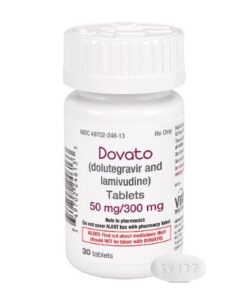
Historically, HIV treatments have included three or more medications (oftentimes combined in one pill) to keep HIV suppressed and help people living with HIV reach and maintain undetectable viral loads. In the spring of 2019, the U.S. Food and Drug Administration (FDA) approved the complete regimen combo pill Dovato (dolutegravir + lamivudine), manufactured by ViiV Healthcare, giving clinicians for the first time a two-drug option to treat individuals just beginning HIV treatment.
“I’m concerned that this will lead to massive amounts of Dovato use, two-drug therapy, that will bite us down the road,” said Gandhi, who is medical director of Ward 86. “We have lots of experience with three drugs, and there is a concern about resistance with a two-drug regimen.”
(Photo: ViiV Healthcare)
Gandhi explained that lamivudine (3TC), the NRTI in Dovato, has a low barrier to resistance—meaning that it’s easy for a person to develop resistance to the effects of 3TC so that the drug no longer works. When this happens if a person is taking Dovato, the person is effectively on dolutegravir monotherapy. And, people taking only dolutegravir can develop resistance mutations that would rule out future treatment with dolutegravir and, likely, other integrase inhibitors. Dolutegravir monotherapy, Gandhi said, is “a terrible idea.”
“If you lose [develop resistance to] dolutegravir after some time, you’ve just lost the entire first-line class of drugs that we have to treat HIV [INSTIs],” she said.
Drug resistance can be transmitted (i.e., it’s possible for a person who has never taken HIV medications to already have a resistance mutation), so HIV clinicians test for resistance mutations prior to starting therapy. If a person has a resistance mutation, HIV providers can tailor the drug treatment to work around resistance. Resistance can also develop if someone taking HIV medication isn’t adherent to treatment—for instance if they forget to take or aren’t able to take medications every day as prescribed.
For these reasons, Gandhi urges clinicians to consider adherence when prescribing two-drug regimens—knowing that “we’re just not that good” at estimating how adherent a person can be.
“I would be more comfortable at this point giving people a chance to adhere and do well with a three-drug regimen, and then maybe downgrading them to a two-drug regimen if they are adherent,” said Gandhi. “Patients should be aware of the importance of adherence, which is true of any regimen, but particularly true with a two-drug therapy. I wouldn’t want them to miss any doses. And I would want them to talk to their provider about how to take medication, so that they both could be reassured.”
Gandhi said she worries that health care providers who do not specialize in HIV treatment may miss some of these nuances with the new DHHS guidelines—opting to prescribe a two-drug regimen out of concerns over toxicities in regimens with three drugs.
“Young healthy people probably aren’t going to get toxicities with TAF or abacavir (the third drug in the combo pills Biktarvy and Triumeq, respectively). I think it’s interesting that we are talking about two-drug therapy now due to concern about toxicities. For example, NSAIDS (e.g., ibuprofen) can cause renal issues, but we don’t even think twice before putting people on long-term NSAIDS if they’re young and not at risk of renal toxicity. You want to tailor your toxicity concerns to risk factors of that individual. If they have risk factors for cardiovascular disease, you should be concerned about abacavir. If they have risk factors for renal toxicity, you should be concerned about TAF,” said Gandhi
FDA approved Dovato for the initial treatment of HIV based on the results of the GEMINI 1 and 2 studies, which enrolled over 1,400 people starting HIV treatment for the first time. The studies found that 86% of individuals had undetectable viral loads <50 copies after 96 weeks (compared to 89.5% of people taking a three-drug regimen of dolutegravir + TDF/FTC). 85% of participants were men and two-thirds were white.
Although these study results show that dolutegravir + lamivudine can be a successful treatment option for some, Gandhi said that she questions the extrapolation of one phase 3 study to the entire population of people living with HIV.
“People who get into clinical trials are often very rarified populations. They are adherent, they come in for clinical trial visits. They are often white and they are often men. We need some real-world studies, some demonstration projects, that include women and people who may have adherence difficulties,” said Gandhi.
Also new in the DHHS guidelines is a recommendation that HIV treatment be started immediately or as soon as possible after diagnosis, to decrease the time required to achieve viral suppression and reduce risk of HIV transmission, a recommendation Gandhi supports and said she was pleased to see.
The challenges—and opportunities—of two-drug regimens
Here’s a low-down on HIV drug resistance, including what it is and how you get tested for it. Also, get advice from HIV clinicians on prevention and what to do if you do develop HIV drug resistance.
—
San Francisco AIDS Foundation receives funding from corporate partners including those in the pharmaceutical industry. Editorial decisions on our blog and website are made independently. For more information about SFAF funding, please refer to our financial and tax documents.
EMILY LAND, MAEmily Land is the editor-in-chief of BETA blog and content marketing manager at San Francisco AIDS Foundation.
“Linkage to care” is a well-spoken mantra in the field of HIV: Make sure that people who are living with HIV are seeing an HIV care provider and have access to HIV medications. As simple as it may seem, the changing nature of San Francisco’s HIV epidemic means that more and more people are not accessing—or are not able to access—HIV prevention or care from traditional medical clinics.
HIV providers and frontline staff must confront the challenge of bringing HIV care to people—beyond simply linking people to care.
“Access to HIV care is so much more than making sure a person has a place to receive medical treatment and can afford it,” said Julie Lifshay, MPH, PhD, from San Francisco AIDS Foundation.
“Even if a person knows where to go and has insurance or a way to pay for care, they may not be able to afford the bus ride to get there. Or they can’t navigate the health system to make an appointment, they can’t afford their medication copays, or they can’t pick up prescriptions because that would mean missing their place in the food line. It’s complicated, and there are so many things that can put HIV care just out of reach,” said Lifshay.
“People who are unhoused face a lot of barriers accessing care,” said Beth Rittenhouse-Dhesi, MS, from San Francisco Community Clinic Consortium. “It’s not as easy as walking into a clinic and getting needs met. Because of stigma, many people have had bad experiences and so they choose to stay away. The other issue is that people living on the street are dealing with a lot of survival issues. They’re worried about food, water, shelter and clothing. So even very serious health concerns can be put on the back burner.”
In San Francisco, 20% of new diagnoses were among people experiencing homelessness, a proportion which has been increasing in recent years.Getting to Zero SF, San Francisco’s plan to reach zero new HIV infections, zero AIDS-related deaths and zero HIV stigma hinges on the success of reaching and providing services to people experiencing homelessness.
POP-UP is open to people who are homeless or unstably housed, are off antiretrovirals or have a detectable viral load. The program sees people on a drop-in basis without appointments, starts people on antiretrovirals and provides comprehensive medical care, medication storage, food, clothing, housing assessments, mental health care and gift card incentives for staying in care.
“We call it POP-UP because when people come into the clinic, our team grows around them and we work to meet their needs and concerns,” said Elizabeth Imbert, MD, MPH from Zuckerberg San Francisco General Hospital. “We don’t start with the medical stuff—we try to get to know them, figure out what they want, and what’s important to them. We find out what their health goals are, what has gotten in the way [of meeting goals], and how we can help meet them.”
Since January of 2019, over 95% of people in POP-UP have started on ARVs, and more than half (32 out of 59) are virally suppressed, reported Imbert at a Getting to Zero meeting in December 2019.
Street Outreach Services does not provide ongoing treatment for chronic conditions including HIV, but the team does connect people with regular care, help people figure out transportation to medical appointments, and follows up with clients to make sure they receive HIV care.
Rittenhouse-Dhesi said the van frequents neighborhoods that not only have homeless residents but also a low concentration of service providers.
“We provide care to anyone who is unhoused—our goal is to connect with people in their own environment of places where they’re gathering. That may be a camp, or another place outdoors, or at a meal program. The whole objective is to come to people, and not always expect people to come to a four-walls clinic. After you make that initial relationship, you can help people navigate into other services,” said Rittenhouse-Dhesi.
At San Francisco AIDS Foundation (SFAF), a new program reaches Latinx community member immigrants experiencing homelessness through a group of community health educators.
The “Todos Somos Familia” project, though Latino Programs at SFAF, recruited and trained a group of currently and formerly homeless Latinx immigrants on topics such as overdose prevention, accessing social services, HIV prevention and getting into HIV care. In turn, members of the program reached out into the community and into their networks to share HIV and health information and services, facilitating access to case management, drug treatment, testing, PrEP and HIV care.
(Photo: SFAF)
“There is a lack of investment in reaching immigrants without housing,” said Jorge Zepeda, from SFAF. “These individuals may not be aware of the services they can access, and may not trust them. This project helped SFAF become a safer and friendly space for Spanish-speaking communities, and showed that we can reach people with these services if we do so in culturally competent ways.”
“We’re seeing these great disparities in HIV in San Francisco,” said Lifshay. “It’s because we are dealing with social determinants of health including income disparities, the housing crisis, displacement issues and racism. We have to address those things to get to zero. It’s such a big task, but a smaller piece is making sure our resources go to the people most impacted by these issues. We have to reach homeless folks with HIV care—we must do a better job of that.”
END THE EPIDEMICS
Sign the petition to End the Epidemics, a campaign calling for a statewide plan to end the HIV, STD and hepatitis C epidemics in California. Urge California leaders to make serious investments in public health and help us lead the nation in ending the HIV, STD and hepatitis C epidemics. JOIN US!
HIV SUPPORT & HEALTH NAVIGATION AT SFAF
We offer a range of services that help connect you to HIV treatment, benefits, housing subsidies, and insurance. MORE INFO
STREET OUTREACH SERVICES
SOS provides high-quality, nonjudgmental health services directly to people experiencing homelessness in places where they live and congregate. MORE INFO
EMILY LAND, MAEmily Land is the editor-in-chief of BETA blog and content marketing manager at San Francisco AIDS Foundation.
A HIV-positive man has said he is “proud and overwhelmed” after becoming the first-ever person in Europe with HIV to become a commercial air pilot.
James Bushe, 31, wanted to be a pilot since he was a child. He began learning to fly at just 15 years old, and by the age of 17 he had his private pilot’s license – before he could even drive a car.
Five years ago, Bushe was diagnosed with HIV. In 2017, when he was offered a place on an airline’s training programme, but he was denied the medical certificate needed to obtain his commercial license because of his diagnosis.
At the time, the Civil Aviation Authority (CAA) was bound by rules from the European Aviation Safety Authority (EASA), which said that a medical certificate could not be granted to someone who was HIV-positive.
Bushe decided to fight his case, with the help of HIV Scotland, and document it anonymously on Twitter under the pseudonym “Pilot Anthony”. Two years on, he has won his case and revealed his identity, officially able to fly from Monday, January 13.
He has been training with the airline Loganair, flying alongside training captains since November 2019, but is now qualified to fly Embraer 145 Regional Jets from the airline’s base at Glasgow Airport.
According to the BBC, the CAA has changed its rules but will only allow HIV-positive people to fly in multi-pilot operations, as it said that is as far as it can go before the EASA reforms its own regulations.
James Bushe was diagnosed with HIV five years ago. (Loganair)
Bushe said: “I am proud, totally overwhelmed and so grateful to Loganair. But this is not just about me – it’s about anyone living with HIV who can now become a pilot.
“My hope now is that it triggers action not just in the UK but in the rest of Europe. Anyone who has felt restricted by the condition, who is in my situation, can now follow their dreams.”
He continued: “There is no reason in the year 2020 why a person who is HIV-positive should face barriers in any profession… Living with this condition doesn’t threaten my life or my health at all, and I cannot pass HIV on to others.
“I want to put that out there to the millions of people who are living with the same fear and stigma that I was once living with.”
Loganair chief executive Jonathan Hinkles added: “HIV is not a bar to employment in other industries and there is no reason why it should be so in aviation.”
Nathan Sparling, chief executive oh HIV Scotland, says that Bushe’s landmark win shows that whatever your status, you can follow your dreams.
“I extend my personal congratulations to James, thank him for bringing this issue into the public eye, and commend him for doing his part in fighting HIV-related stigma by waiving his anonymity,” he said.
“Without James’ determination to pursue his goals these unjust rules would still be in place, and this campaign shows that only by taking on unjust regulations and demanding change can we ever hope to change the world in which we live.”
CBS New York has confirmed that a reporter who named a man and revealed his HIV status in a dangerously misleading report has been dismissed.
The journalist was sacked after writing an article suggesting that a man put a police officer at risk of acquiring HIV by spitting in his mouth after he had been arrested for stealing a yoghurt at LaGuardia Airport.ADVERTISING
The alleged incident was described as a “HIV attack” in a tweet penned by the reporter, who also wrote that the “suspect admitted they spit into an officer’s mouth knowing they had HIV”.
“This online story should not have been published. It does not meet our journalistic standards, nor does it reflect our core values,” CBS New York told Gay City News (GCN).
CBS refuses to identify reporter who named man living with HIV.
While the “suspect” was named in the article, the author was not, with the byline left empty.
CBS New York has allowed the reporter to remain anonymous, declining a request by GCN to identify them.
“The person who wrote and published the story and social media post failed to review the copy with our news managers,” its statement continued.
“This individual is no longer employed by CBS New York.”
A spokesperson made clear that Tony Aiello, who was listed under the “filed under” section of the article, was not the journalist in question despite social media speculation. PinkNews has contacted CBS New York for further comment.
Port Authority union criticised for furthering stigma.
The article relied on quotes from the Port Authority Police Benevolent Association (PAPBA) union, which continued to connect the man’s HIV status to his arrest after the initial report.
“The problem is when a person with an infectious disease has a weapon, we have a problem with that,” the union’s public information officer Bob Egbert told GCN after the CBS story went viral.
GCN said that PAPBA has “not apologised or retracted any comments” a month after the report was first published, leading to heavy criticism from campaigners and LGBT+ groups. The union has been contacted by PinkNewsfor further comment.
Housing Works, which work to combat “the twin crises of AIDS and homelessness”, accused the union of trying to “create hysteria” around New York bail reforms which allowed the man to be released while facing charges.
Sean Strub, founder of POZ magazine, called it “a disappointing reality that HIV stigma is alive and well”.
“But when HIV stigma is perpetuated by law enforcement leadership, as in the comment from the PBA spokesperson, it is not only disappointing and irresponsible, but dangerous,” he told GCN.
“Just as bad was the CBS stations’ tweet headline referring to an ‘HIV attack’. That newsroom needs some serious remedial education, starting with a basic science course about what the actual routes and risks of HIV transmission.”
A new cure strategy designed to harness the power of the immune system to achieve HIV remission in people living with HIV will begin at the University of California, San Francisco in 2020. The study was described and announced at the amfAR 2019 HIV Cure Summit held on November 21, 2019.
“This is kind of an unprecedented human clinical trial, putting together a lot of things that we think will optimally stimulate the immune system,” said Rachel Rutishauser, MD, PhD, from UCSF and Zuckerberg San Francisco General Hospital. “The main clinical outcome will be to understand the proportion of people who are getting the vaccine in the combination trial who achieve post-treatment control [of HIV].”
This small pilot study will enroll 20 people living with HIV who have been on stable, continuous antiretroviral therapy for 12 or more months.
To measure the safety of the cure strategy, the study will assess adverse events that may include lab toxicities or clinical symptoms. To measure efficacy, the study will measure the proportion of study participants who do not experience viral rebound (i.e., who have suppressed viral loads without HIV medication) 24 weeks after the treatment is administered.
The treatment involves a combination of therapies meant to boost the immune system’s CD8 T-cell response to identify and kill off latently HIV-infected cells and reduce the size of the HIV reservoir.
“The advantage of CD8 T-cells is they can recognize infected cells specifically, and they can actually kill them,” said Rutishauser.
During stages 1 – 3 of the study (lasting 24 weeks), participants will receive a “prime-boost” DNA plasmid vaccine to elicit an initial CD8 T-cell response along with a boosting agent. (This is the same vaccine being tested in a prevention vaccine study by the HIV Vaccine Trials Network.)
In stage 4 of the study, participants will receive two immunomodulatory agents: a toll-like receptor-9 (TLR9) agonist and broadly neutralizing antibodies (bNAbs). The TLR9 agonists are expected to broadly activate the immune system—by getting the virus to come out of latently-infected cells and “present” itself to the immune system, boost the response of CD8 T-cells, and also increase the effectiveness of natural killer (NK) T-cells which kill off HIV-infected cells. Broadly neutralizing antibodies will also be given during this stage to reduce the size of the HIV reservoir.
The last stage of the study includes a treatment interruption, with a final dose of broadly neutralizing antibodies being given right as treatment is stopped.
“The broadly neutralizing antibodies should control the virus on their own. But as they wear off, you give the virus a chance to sort of come out but be partially controlled by the broadly neutralizing antibodies. And our hope is that we’ve created an immune response that will then outpace the virus or sort of beat the virus as it’s coming out of latency,” said Rutishauser.
Established in 2015 with a five-year, $20 million grant, the amfAR Institute for HIV Cure Research brings together collaborative research teams with the goal of establishing a scientific basis for a cure by the end of 2020. Find out more about the road to an HIV cure in this video by amfAR.
Giaura Fenris, a transgender woman, was on the dating app Grindr looking for people to chat with and meet when a user whose profile picture was of a cute nurse messaged her. After some pleasantries, however, Fenris realized the hunky health professional wasn’t there for a hookup.
She said he asked her “a couple of questions, nothing too invasive” and then revealed he was an employee at a nearby health clinic in Brooklyn, where she lives. He then offered her a sexually transmitted infection testing appointment and help getting health insurance.
“I was like, ‘Oh, that’s great. Please sign me up right away,’” Fenris told NBC News.
Giaura Fenris.Courtesy Giaura Fenris
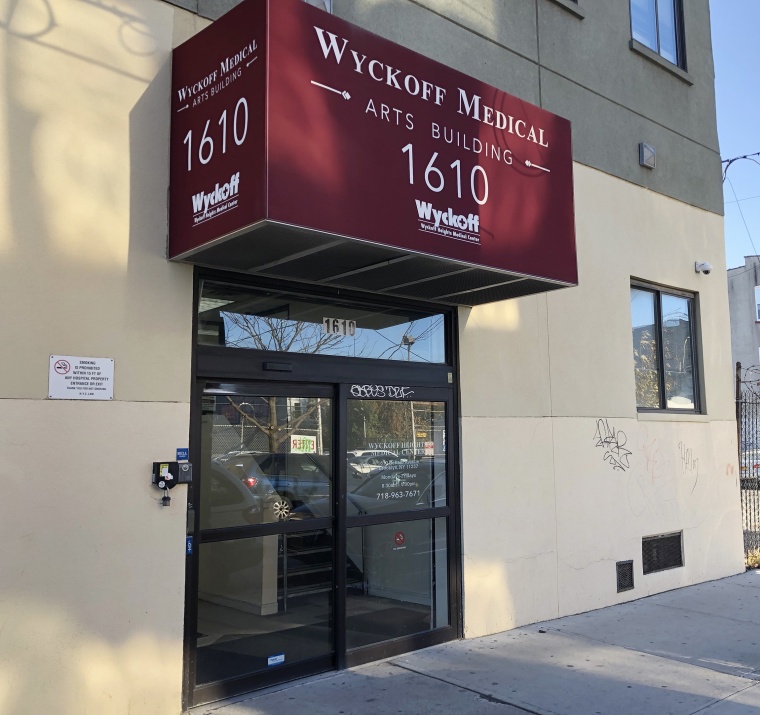
Wyckoff Heights Medical Centeris thought to be the first health center in New York City — and perhaps beyond — to incorporate gay dating apps such as Grindr, Jack’d and Scruff into its sexual health efforts. The center’s method differs from the usual sexual health advertisements one can see on the apps. Staffers interact with other users with their own account like a regular user would — except they offer sexual health services. The center says the innovative approach is working: Since its launch in 2016, the program has attracted more than 300 clients to the facility.
Most of these clients are black and Hispanic gay men and trans women, groups that are disproportionately affected by HIV. Gay and bisexual men comprised 70 percent of the new HIV diagnoses in the U.S. in 2017, and of those gay and bisexual men diagnosed with HIV, 37 percent were black and 29 percent were Hispanic, according to the Centers for Disease Control and Prevention.
The program’s launch
The program was started by Anton Castellanos-Usigli, who had just finished his master’s degree in public health at Columbia University when in 2015 he was recruited by Wyckoff Heights Medical Center.
“The center hired me precisely because they wanted to increase the number of gay and bisexual Hispanic clients,” Castellanos-Usigli, who had migrated from Mexico in 2013, said. This client population, he added, “is one of the populations who needed these services the most.”
Wyckoff Heights Medical Center in Brooklyn.Arno Pedram
Shortly after being hired, Castellanos-Usigli recalls thinking to himself, “You are young, you’re Hispanic yourself, where do you talk to other gay guys about sex? Grindr!”
So in February 2016, he created a profile with the image of a good-looking nurse in medical clothing and started to chat with people on Grindr. After opening up with pleasantries, he shifted the conversation to offering sexual health services.
Andrew Gonzalez, a program manager at the center, said responses vary from those “who are very grateful” for getting health information and a clinic appointment through the app to those who are disappointed the cute nurse isn’t a potential date.
“Sometimes people aren’t quite ready to receive the information and pursue testing services,” Gonzalez said.
However, Gonzalez said, oftentimes those who are successfully contacted through gay dating apps go on to tell their friends about the center’s services.
“So, essentially, we’re providing these people the tools … to educate and inform other community members about services,” he said.
‘We have to treat the whole person’
Through Grindr and other gay dating apps, the center brings clients into its Status Neutral program, which aims to keep HIV-positive patients at an untransmittable viral load and protect HIV-negative patients against infection through condoms, regular testing and PrEP or preexposure prophylaxis.
Since its launch, the center has standardized the practice and tracked its results. Between 2016 to 2018, the strategy attracted 233 new clients — 67 percent of them Hispanic, 17 percent black and over half uninsured, according to Castellanos-Usigli. He said a higher-than-average percentage (5 percent) of these new clients were diagnosed with HIV, and they were connected with medical care. More than 60 percent of the 233 new clients, he added, were referred to PrEP for HIV prevention. Twenty-nine patients received personalized cognitive counseling, an evidence-based intervention to reduce risks for gay and bisexual men who have casual sex without condoms.
“A lot of times, people come in for testing, and they have greater needs than testing,” Laurel Young, the program’s interim director, said. “If we treat a person … we have to treat the whole person, not just the symptoms.”
Young said the facility’s Status Neutral program combines traditional medical care with help in navigating health insurance, employment, job access, housing and legal support. That way, she added, patients can address other factors such as poverty, immigration status or homelessness that have an impact on their health.
When Fenris, now 30, first walked into the center in February 2017, she was burdened by several issues that were negatively affecting her physical and mental health. She moved to New York the year prior to escape a living situation in another state that she said was stifling her transgender identity, and she had just had an incident with a hookup that led her to start post-exposure prophylaxis (PEP), a one-month treatment to resist HIV infection right after potential exposure. She also had a history of depression for which she had stopped taking medication, and she was about to lose her insurance.
During her first visit to Wyckoff Heights Medical Center, staffers tested Fenris for HIV, started her on HIV-prevention medication, helped her find new insurance and referred her to mental health services. The center also helped her create a plan to secure financial stability and manage her increased rent payments.
‘Cultural competency and humility’
Wyckoff Heights Medical Center serves a diverse and at-risk population, and because of this, staffers say hiring and training decisions are crucial.
“Having staff members that identify with populations we serve accompanied with cultural competency and humility trainings help best serve the population to decrease stigma,” Gonzalez said.
This was part of the reason the center hired Castellanos-Usigli back in 2015 — and Fenris last year. Fenris, a trans Latinx, was hired by the center in May 2018 as a consultant and peer educator. She works within the clinic’s Substance Abuse and Mental Health Services program and its Status Neutral program, ensuring patients are getting the care they need.
“Today, I made sure that a trans patient had a gender-affirming procedure, that they were referred to with their pronouns, that they go to their appointments and helped setting up transportation,” Fenris said recently.
Trans people in particular face barriers in health care: A 2016 studyon the barriers to transgender health care in New York found 48 percent of trans respondents “felt that the organizations that provided the care they needed were not transgender sensitive.”
Wyckoff’s commitment to being accessible, culturally sensitive and having a diverse staff representing the community it serves addresses those barriers head on.
Since Wyckoff Heights Medical Center launched its innovative program in early 2016, at least one other community health clinic has launched a similar program. CAMBA, in Brooklyn, has seen similar success using gay dating apps to reach individuals at high-risk of HIV infection: From 2017 to 2018, 65 percent of its clients linked to PrEP or PEP services were reached through apps apps like Grindr.
Castellanos-Usigli believes his data “speaks to the power that this strategy has” and he hopes to convince other agencies to adopt it.
Facebook has quietly started removing some misleading ads about HIV prevention medication, responding to a deluge of activists, health experts and government regulators who said the tech giant had created the conditions for a public-health crisis.
The ads at issue — purchased by pages affiliated with personal-injury lawyers and seen millions of times — linked drugs designed to stop the spread of HIV with severe bone and kidney damage.
LGBT advocates long have said such claims are “false,” pointing to multiple studies showing the class of medication, known as PrEP, is safe.
GLAAD reacts via press release:
“It’s gratifying to see one of Facebook’s fact-checkers backing up the overwhelming consensus of AIDS, LGBTQ, and HIV medical groups that these ads are misleading. But the question remains – why is Facebook taking money from these ambulance-chasing law firms for ads that are helping the spread of HIV?” said Peter Staley, a cofounder of the PrEP4All Collaboration.
“Removing select ads is a strong first step, but the time is now for Facebook to take action on other very similar ads which target at-risk community members with misleading and inaccurate claims about PrEP and HIV prevention,” said Sarah Kate Ellis, GLAAD President and CEO.
“Dozens of organizations have told Facebook that the safety and effectiveness of PrEP to prevent HIV transmission is unequivocal. The pervasiveness of these ads and the subsequent real world harm should be catalysts for Facebook to further review how misleading and inaccurate ads are allowed to be targeted at LGBTQ and other marginalized communities.”
Being a longtime nurse Karl Neumann of Norfolk, Va., understands just how critical it is to have a robust community blood supply available. However, as a sexually active gay man, he is banned from donating blood because of a federal law.
“It’s frustrating that there are shortages of blood, but certain people are still restricted from giving blood at a time when modern medicine can easily test for diseases.”
Karl worries confusion or resentment regarding the “blood ban” might prevent gay men from realizing that they have another opportunity to heal and save lives – by registering to be organ donors.
“I’ve worked in transplantation most of my career and there are not enough organs available for the number of people waiting for a transplant. Unfortunately, I’ve had several patients that I cared for die because the organ they needed was not donated in time.”
Currently, more than 113,000 people in the United States are waiting for a lifesaving transplant, and that staggering number is one of the reasons why Karl, who is HIV-positive, decided to donate his kidney as a living donor.
In 2013, the HIV Organ Policy Equity Act(HOPE Act) was signed into law allowing HIV-positive patients on the national transplant waiting list to receive organs from HIV-positive donors who are living or deceased. Unbeknownst to Karl, his decision would be very significant, as he would become only the second living person with HIV to donate a kidney in the U.S., and the first HIV-positive gay man to be a living donor.
“It gave me pause being one of the first people but then I realized what a great opportunity it was. We are still in the research phase of transplanting organs HIV-to-HIV, and the more procedures that have a successful outcome means more lives saved.”
Last summer, Karl traveled to Duke Health in Durham, N.C., to donate his kidney to an anonymous HIV-positive recipient. He is hopeful the recipient is regaining his or her health and enjoying an improved quality of life post-transplantation.
Karl says regardless of the myths and misconceptions that exist, everyone can register to be an organ donor regardless of gender identity or expression, choice of sexual partner or HIV status.
“Donating a kidney with HIV is normal and it can happen,” said Karl. “Being HIV-positive does not put me in danger or make me ill. I am healthy and will likely live a longer life than most people, and for that I am grateful. The least I could do was pay it forward and give life to another human being.”
As of September 2019, 160 HIV-positive organs have been donated and transplanted, including 116 kidneys from deceased donors, 2 kidneys from living donors and 42 livers from deceased donors. December is AIDS Awareness Month and Karl wants to spread awareness that HIV-positive patients can give and receive the gift of life.
For more information or to register to be an organ donor, visit BeADonor.org.
Washington Regional Transplant Community is the non-profit organ procurement organization for the metro D.C. area responsible for recovering and distributing organs and tissues used in lifesaving and life-enhancing transplants. WRTC serves approximately 5.5 million people, 44 hospitals and six transplant centers. Visit BeADonor.org for more facts and information that can help you make a legal and informed decision about donation.
When HIV first tore into America’s gay male community in the early 1980s, quotidian questions of sex, love, lust and trust transformed into weighty decisions with potential life-or-death consequences.
The decision to stop using condoms with a serious partner? Only as reliable an HIV-prevention method as your partner’s fidelity. A single instance of cheating? An indiscretion that carries the risk of an incurable and deadly disease. A random hookup? A nagging sense that, perhaps, this time was the time.
Todd Faircloth, 52, remembers those days well. In 1987, when gay men were still dying from AIDS in large numbers, Faircloth moved to New York City from North Carolina to start his big, gay life. He was just 17.
“I didn’t know anyone that lived past the age of 30, I didn’t anticipate anyone was going to live that long,” Faircloth, who now lives in Georgia with his husband, said. “It got to the point where people just assumed they all had a death sentence over their heads.”
He said he endured “hundreds” of AIDS funerals with a lot of dark humor, but still, “it was really scary to be out there.”
Amidst all the death, the human immunodeficiency virus caused understandable fear and anxiety among gay men, and Faircloth said this even influenced the relationships people entered into. “If you meet someone, you got with them, you were more likely to want to stay with them, not because you wanted to be with them, but because you’re scared to go back out,” he said.
Today, more than three decades after Faircloth moved to New York, HIV is controllable with medication and need not lead to death. In addition to condoms, first approved to stop HIV in 1987, people at risk of acquiring HIV today can take medications like Truvada to prevent the virus’ transmission, namely pre-exposure prophlyaxis (PrEP), and post-exposure prophylaxis (PEP), which are taken before and after sex, respectively, to prevent HIV transmission. And for those who already have the virus, treatment as prevention, or TasP, makes it impossible to transmit the virus in sex when taken regularly, according to the Centers for Disease Control and Prevention.
One unintended benefit of this new array of pharmaceutical prevention options, according to a new study, is a reduction in “HIV anxiety.” Anxiety about HIV transmission, which the study’s authors describe as a “common” experience of gay and bisexual men — especially those who, like Faircloth, lived through the darkest days of the AIDS epidemic — can compromise their “emotional well-being and create barriers to HIV testing.”by TaboolaSponsored StoriesTHE MOTLEY FOOL5 Stocks that Could Set You Up for Life2019 GIFT GUIDE27 Christmas Gifts That Are Selling Like Hot Cakes
Fifteen years ago, if the condom broke, I would be freaking out about it, and there really wouldn’t be anything you could do for three to six months except just passively hoping you don’t get HIV.
TIM PETLOCK THE OLD DAYS
“For many men, fear of HIV transmission led to anxiety about sex with other men, even in situations where transmission was impossible,” the authors note. Half of respondents worried about whether their sexual encounters were “safe,” and thought about HIV before sex, while a full quarter of study respondents, all of whom were HIV-negative, reported thinking about contracting HIV during sex. And the study found that taking PrEP “was independently associated with lower levels of HIV anxiety.”
The study suggests that this PrEP-associated reduction in HIV anxiety could “be promoted as part of demand creation initiatives to increase PrEP uptake,” a key goal of the U.S. government as it seeks to end the HIV epidemic by 2030.A sea change
Tim Petlock, 49, a gay man living near Dallas, said that so much has changed since he came out as gay in the early 1990s.
“Fifteen years ago, if the condom broke, I would be freaking out about it, and there really wouldn’t be anything you could do for three to six months except just passively hoping you don’t get HIV” Petlock told NBC News, referring to the monthslong window of early HIV tests.
“Now, you can go to treatment the day after to reduce the risk,” he said of post-exposure prophylaxis, or PEP. And today’s HIV tests can tell if a person is infected in about seven days. “You know that much sooner, whether you’ve got it or not, so it does kind of change the calculus of the whole thing.”
Today, Petlock takes PrEP and said that he worries much less about contracting HIV than he used to. Now he’s more focused on avoiding sexually transmitted bacterial infections, such as syphilis and chlamydia, which are on the rise in America.
“I know there’s some risk, but it’s likely not going to be life-altering,” he said.Ghosts of the epidemic
While PrEP has been shown to reduce HIV anxiety in some gay and bisexual men, the unease has by no means dissipated among this population.
“When you are bombarded your adult life with HIV and seeing death, I don’t care how much we advance biomedical technologies — that emotional reaction to the disease is still going to be the same,” Perry Halkitis, dean of the Rutgers University School of Public Health and author of “Out in Time,” told NBC News. “I unfortunately think that the way we deal with HIV in this country still to this day is very rooted in the responses from AIDS.”
It got to the point where people just assumed they all had a death sentence over their heads.
TODD FAIRCLOTH SURVIVING THE EPIDEMIC
One of the people for whom the memory of the epidemic’s darkest days is still fresh is Craig Lenti, a New York City-based media producer.
Lenti moved to Manhattan in 1996 at age 18 to attend college, one year after AIDS deaths peaked in the United States. He said he learned about homosexuality and AIDS at the same time, and during his late teenage years, AIDS was the top killer of young American men.
“They were always, for me, intrinsically linked,” Lenti said. “That was what I had in my head. That is what the media told me. And so from that point on, there really was no way of disconnecting those two concepts.”
For years, Lenti avoided taking an HIV test because of his fear that it would return positive.
To this day, Lenti said, it is hard for him to take an HIV test and to trust potential partners because of his fears from the epidemic’s early days.
“It was a foregone conclusion that I would become infected,” Lenti said of his thinking at the time. Yet despite all that worrying, he remains negative.
“I think the biggest fear that I had about HIV was not the fear of being sick. It was always the fear of dying alone,” Lenti said. “It’s just very hard for me to trust people, and I think you could argue that a lot of that stems from my fear of becoming infected, even though now there’s so many different ways to combat that.”‘I don’t think it just changes overnight’
While Lenti no longer takes Truvada for PrEP because he suffered from its rare gastrointestinal side effects, he said he counsels many of his friends to take the daily medication.
“If you can take a pill that has a 99 percent effective rate, why wouldn’t you do that?” he said.
Levi, a 19-year-old college student in Ohio, is among the nearly 1 million Americans recommended to take, but not taking, PrEP. Because he’s a man who has sex with other men and is 28 or younger, he’s considered at high risk of contracting HIV, according to the CDC risk assessment worksheet for doctors (the worksheet is based on a point system and uses a variety of risk factors).
Levi is no stranger to HIV anxiety. He recalled a recent incident after he performed oral sex where he began to worry, “Do I need to get a test?”
“I spent the night basically in a hypochondriac fit running around looking if there are any sort of symptoms I should be looking for,” he said, telling an all-too-common tale. However, he needn’t have worried, as there is “little to no risk” of acquiring HIV through oral sex, according to the CDC.
Levi, who asked not to have his full name printed because he is still on his parents’ insurance and worries they would object to PrEP, said he’s just starting to think about taking the HIV prevention pill. He said the man he is dating is HIV-negative, and even though they plan to be monogamous, he doesn’t know if he can fully trust him, because the stakes are so high.
“Is there anything that I could even ask for?” Levi wondered. “Could you show me a paper or something? And could I even believe that?”
Levi’s struggle to answer this question is as old as the virus, Halkitis said.
“You have two sets of problems: a generation that has no clue and hasn’t seen death,” he said, “and a generation that is older that is completely bombarded.”
“I think there’s a whole negotiation morphing period going on right now as we get embedded in these technologies more and more,” Halkitis continued, referring to HIV prevention medications. “I don’t think it just changes overnight.”