A federal court of appeals judge ruled Tuesday that transgender people are protected from discrimination under the Americans with Disabilities Act.
As The Hill reports, the ruling stems from a 2020 lawsuit filed on behalf of a transgender woman who was incarcerated in a Virginia men’s prison despite the fact that she had been receiving hormone replacement therapy for nearly two decades.
Kesha Williams spent more than six months incarcerated alongside men and was periodically denied hormone therapy. After she was released in 2019, she sued Fairfax County Sheriff Stacey Kincaid, as well as a prison nurse and a deputy, alleging that the prison had violated both the ADA and the Rehabilitation Act in failing to treat her gender dysphoria.
While the 1990 law specifically excludes “transvestism,” “transsexualism,” and “gender identity disorders not resulting from physical impairments,” the American Psychiatric Association has since replaced gender identity disorder in its Diagnostic and Statistical Manual of Mental Disorders with gender dysphoria, which is the distress a person feels when their gender identity doesn’t align with their sex assigned at birth.
In an amicus brief, attorneys for the GLBT Legal Advocates and Defenders (GLAD) explained that, “In short, the gender dysphoria diagnosis recognizes that incongruence between a person’s identity and birth sex is not the problem in need of treatment—the clinically significant distress associated with that incongruence is.”
“Reflecting this shift in medical understanding, we and other courts have thus explained that a diagnosis of gender dysphoria, unlike that of ‘gender identity disorder,’ concerns itself primarily with distress and other disabling symptoms, rather than simply being transgender,” Judge Diana Gribbon Motz wrote in her opinion.
“This is a thorough, well-reasoned opinion recognizing that the Americans with Disabilities Act prohibits discrimination against individuals with gender dysphoria,” National Center for Lesbian Rights legal director Shannon Minter said in a statement. “This decision sets a powerful precedent that will be important for other courts considering this critical issue.”
GLAD Transgender Rights Project director Jennifer Levi called Motz’s decision a huge win. “There is no principled reason to exclude transgender people from our federal civil rights laws,” Levi said. “It’s incredibly significant for a federal appeals court to affirm that the protections in our federal disability rights laws extend to transgender people. It would turn disability law upside down to exclude someone from its protection because of having a stigmatized medical condition. This opinion goes a long way toward removing social and cultural barriers that keep people with treatable, but misunderstood, medical conditions from being able to thrive.”
Boston Children’s Hospital has warned employees about mounting threats and is coordinating with law enforcement after far-right activists on social media began targeting the hospital with false claims about its treatment of young transgender people.
It’s the most recent in a series of attempts to target hospitals for their work with trans youth, adding to an ongoing wave of anti-LGBTQ sentiment that has hit libraries, schools and even a trans-inclusive Los Angeles spa.
The public relations office of Boston Children’s Hospital sent an email to employees with guidance on how to respond to harassment and threats earlier this week, citing an “increase of threatening and aggressive” phone calls and emails sent to the hospital commenting on treatment of transgender patients.” The email was confirmed to NBC News by a current employee.
Boston Children’s Hospital first became the target of activists in recent weeks, when well-followed social media accounts such as LibsofTikTok, which has often promoted “groomer” discourse that falsely linked LGBTQ teachers and parents to pedophilia, began to make a variety of false claims. One allegation said that the hospital offered gender-affirming hysterectomies to children under 18 years old.
Conservative influencers with millions of followers pushed similar false talking points and fanned the flames further. David J Harris, a podcaster and supplement seller, and single-issue activists including Chris Elston, who goes by “Billboard Chris” for the anti-trans statements he wears on sandwich boards, are among the right-wing social media stars who have spread the allegations online.
Last week, fact-checking organizations debunked the claims from right-wing accounts, but many of the same accounts continued to spread the false allegations this week.
“In response to commentary last week critical of our Gender Multispecialty Service (GeMS) Program, Boston Children’s Hospital has been the target of a large volume of hostile internet activity, phone calls, and harassing emails including threats of violence toward our clinicians and staff,” Boston Children’s Hospital said in an emailed statement. “We are deeply concerned by these attacks on our clinicians and staff fueled by misinformation and a lack of understanding and respect for our transgender community.”
“Boston Children’s is proud to be home to the first pediatric and adolescent transgender health program in the United States,” the statement added.
Videos from the YouTube account of Boston Children’s Hospital in which several physicians discuss services provided to trans patients were shared by the accounts to suggest the Center for Gender Surgery was performing genital surgeries on children. The videos, which have since been removed from the hospital’s channel, included one titled, “What Does It Mean To Be Transgender?” and did not suggest such surgeries were provided to minors.
Boston Children’s Hospital houses the Gender Multispecialty Service, the nation’s first pediatric and adolescent transgender health program, which has treated more than 1,000 families, according to its website. Despite the separate Center for Gender Surgery being within Boston Childrens’ Hospital, treatment is only provided to “eligible adolescents and young adults,” according to the center’s website. “All genital surgeries are only performed on patients age 18 and older,” the site reads.
A representative for Twitter said they were looking into the harassment campaign.
Boston Children’s Hospital said in its statement that the online attention “was based on the incorrect statement that Boston Children’s performs genital surgeries on minors in connection with transgender care. For hysterectomies and other genital surgeries performed as part of gender-affirming care, Boston Children’s requires a patient to be capable of consenting for themselves. Age 18 is used to reflect the standard age of majority for medical decision-making. Boston Children’s does not perform genital surgeries as part of gender-affirming care on a patient under the age of 18.”
Nevertheless, the posts demonizing Boston Children’s Hospital quickly spread through the far-right media ecosystem, promoted by right-wing media personalities including The Daily Wire’s Matt Walsh and conservative websites like The Post Millennial and The Daily Caller.
Anti-trans activists also targeted the individual doctors who appeared in the YouTube videos from Boston Children’s Hospital, leaving vulgar and harassing comments on their social media accounts and flooding their online pages with negative reviews. Some hospital staff have since made their social media profiles private.
This isn’t the first time that far-right activists have targeted doctors and medical institutions — or even Boston Children’s Hospital.
Lee Leveille, co-director of Health Liberation Now, a trans rights advocacy group that investigates the effects of policy on trans health, said the hospital was also a target in May 2021 for providing gender-affirming care amid a similar wave of targeted harassment on medical facilities.
“The original organized network that jump started the clinic protests has been slowing down a bit and is more decentralized,” Leveille said over email. “Local pockets will still operate here and there, but they’re less connected to a central organized push than the original ones. Now we’re seeing new faces rallying the cause — including the likes of Matt Walsh and Libs of TikTok.”
In June, Chaya Raichik, the Brooklyn real estate agent behind the Twitter account LibsofTikTok tweeted about a children’s hospital in Omaha, Nebraska, for hosting an informational booth at a Pride event. Earlier this month, Raichik and right-wing activist Christopher Rufo targeted a children’s hospital in Pittsburgh for its informational video about puberty blockers. The tweets directed waves of harassment to the hospitals’ larger accounts.
Under a tweet from the Pittsburgh hospital about children with cancer, commenters’ replies included, “Pedophiles,” and “We will destroy you.”
The targeting of children’s hospitals is just the most recent in a spate of online abuse aimed at institutions that promote pro-LGBT ideas and events.
“They’ve received just an absolute torrent of abuse, oftentimes, with real, in-person, consequences,” said Alejandra Caraballo, a clinical instructor at the Harvard Law School Cyberlaw Clinic and LGBTQ+ advocate.
“We’ve already had months and months of this reinforcing propaganda, that LGBTQ people are groomers, that they’re pedophiles, that they are threats to children,” she said. “It’s very disturbing to see people justify attacking a children’s hospital because of their transphobia and their hatred of trans people.”
Leveille and Ky Schevers, the other co-director of Health Liberation Now, said they feared violence could come next, targeting doctors, patients and medical facilities that provide gender-affirming care.
Boston Children’s Hospital said it was working with law enforcement to ensure the safety of its staff.
“We condemn these attacks in the strongest possible terms, and we reject the false narrative upon which they are based,” the hospital said in its statement. “We are working with law enforcement to protect our clinicians, staff, patients, families, and the broader Boston Children’s community and hold the offenders accountable. We will continue to take all appropriate measures to protect our people.”
Pope Francis has met with a fourth group of transgender people who found shelter at a Rome church, the Vatican newspaper reported Thursday.
L’Osservatore Romano said the encounter took place Wednesday on the sidelines of Francis’ weekly general audience. The newspaper quoted Sister Genevieve Jeanningros and the Rev. Andrea Conocchia as saying the pope’s welcome brought their guests hope.
The Blessed Immaculate Virgin community in the Torvaianica neighborhood on Rome’s outskirts opened its doors to transgender people during the coronavirus pandemic.
Francis previously met with some of them on April 27, June 22 and Aug. 3, the newspaper said.
“No one should encounter injustice or be thrown away, everyone has dignity of being a child of God,” the paper quoted Sister Jeanningros as saying.
Francis has earned praise from some members of the LGBTQ community for his outreach. When asked in 2013 about a purportedly gay priest, he replied, “Who am I to judge?” He has met individually and in groups with transgender people over the course of his pontificate.
But he has strongly opposed “gender theory” and has not changed church teaching that holds that homosexual acts are “intrinsically disordered.” In 2021, he allowed publication of a Vatican document asserting that the Catholic Church cannot bless same-sex unions since “God cannot bless sin.”
Recently, Francis wrote a letter praising the initiative of a Jesuit-run ministry for LGBTQ Catholics, called Outreach. The online resource is run by the Rev. James Martin, author of “Building a Bridge,” a book about the need for the church to better welcome and minister to LGBTQ Catholics.
Francis praised a recent Outreach event at New York’s Jesuit-run Fordham University, and encouraged organizers “to keep working in the culture of encounter, which shortens the distances and enriches us with differences, in the same manner of Jesus, who made himself close to everyone.”
The White House will announce today it is zeroing in on the population most at risk currently of contracting and spreading the monkeypox virus: men who have sex with men. A pilot program rolls out this weekend at Charlotte Pride.
The Biden administration’s deputy director for monkeypox response, Dr. Demetre Daskalakis, described the new effort to LGBTQ Nation ahead of the White House announcement.
That starts with bumping up the supply of the vaccine for local health jurisdictions where large LGBTQ events are happening. The program sets aside 50,000 doses of vaccine from the Strategic National Stockpile that jurisdictions can request on top of their existing vaccine allocations and supply.
The Administration is working with North Carolina, Georgia, and Louisiana health departments to determine dose numbers in preparation for upcoming events including Charlotte Pride this weekend, and Atlanta Black Pride and Southern Decadence in New Orleans over Labor Day weekend.
At Charlotte Pride, Daskalakis says, “we’re going to be providing them 2000 additional doses on top of what they’re already allocated specifically for this event.”
State and local health departments are responsible for getting vaccines to where they’ll be administered.
To get doses in arms, “Charlotte is looking at specific events associated with Pride that are going to include, in effect, what will look like vaccine pop-ups, where people entering the event or going to the event will be able to acquire a vaccine.”
The second part of the pilot focuses on education and outreach, along with in-person technical assistance.
“With public health being really local, we’re going to make sure that we provide them what they need in terms of education, outreach materials and any technical assistance to be able to work on the ground to make sure that we’re providing folks with culturally appropriate information about how to prevent monkeypox, and also awareness of the disease.”
“Part of that package is definitely really clear advice around safer sex and safer gatherings. To make sure that it’s extraordinarily clear, given what we know about the data, that this is affecting gay, bisexual and other men who have sex with men, and that a lot of the transmission has been in the context of sex and sexual activity.”
The pilot also provides guidance to local jurisdictions to develop testing strategies and tools for information-gathering from event participants.
Two weeks ago, New York and California were among several states to declare monkeypox a public health emergency.
CDC data as of August 16 indicates 12,689 total confirmed monkeypox cases in the U.S., with New York, California, Texas, Florida, Georgia, and Illinois topping the list of highest infection rates.
Seven-day averages show the number of daily reported infections skyrocketed from 45 in the week ending July 11, to 528 the week ending August 10, when 1391 cases were reported on a single day.
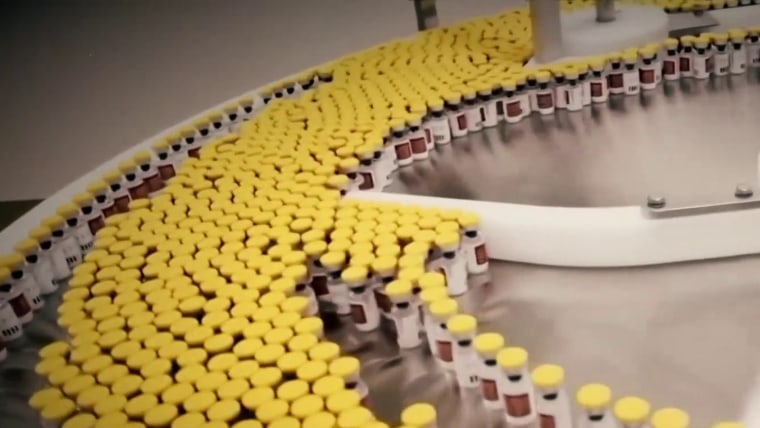
Federal officials have allocated 1.1 million doses of the Jynneos vaccine to states and say they’ve shipped about 600,000 of those.
Clark Simon, president of Charlotte Pride, welcomed the administration’s new initiative: “The more vaccines the better.”
But with a caveat.
“I know health departments need to state where this specific virus is predominantly being seen, the pronouncement of it. But just to clarify, in terms of language and messaging, this is not an STI [sexually transmitted infection]. It is not a gay disease. It is a community-spread disease. And in this instance, showcases itself predominantly in men who have sex with men. But we’re also seeing instances in which there are children getting it at daycares and things like that. Much like COVID, it’s about community spread.”
Daskalakis was sensitive to the messaging.
“Monkeypox is a virus, it’s not a sentient being,” Daskalakis said. “It doesn’t differentiate between people based on sexual orientation or gender identity. And so making sure that we’re serving the folks who are in populations that are overrepresented in the outbreak, like gay and bisexual men, and men who have sex with men, is really important, while also making sure that there’s an awareness outside. Infections don’t heed orders, they don’t heed sexual networks or social networks. So being vigilant, making sure surveillance is really good, and that providers are tuned in is the most important thing right now.”
Atlanta Black Pride president Terence Stewart, next in line for the pilot program, added to Simon’s pandemic analogy.
“It is like COVID. We didn’t think it would either hit the shores of the United States or would be coming in as fast as it was. Because you want to vaccinate as many people as possible, but you also don’t want to scare people, right? So it’s a lot going on.”
Leading LGBTQ+ charities including GLAAD, and pharma company Gilead have teamed up to support responses to the monkeypox outbreak.
The coalition, which also includes the Human Rights Campaign, the National Black Justice Coalition, the National Center for Lesbian Rights, and the National Minority AIDS Council, was announced on 9 August.
Gilead, which makes PrEP pills Truvada and Descovy, has pledged up to $5 million in global grant funding to support a public education and vaccine hesitancy campaign, a public policy response and a global outbreak emergency fund.
The fund will issue grants of up to $50,000 to pre-existing Giliead grantee organisations that work in regions that have the highest active monkeypox outbreaks.
“Funds may be used to cover expenses such as community mobilisation activities specifically addressing MPV outbreak in communities disproportionately impacted by HIV, operating costs related to HIV testing and service interruptions and essential safety materials,” said GLAAD.
Charities such as GLAAD and HRC will focus on providing critical information about monkeypox to demographics and regions that are being significantly affected by the outbreaks, predominantly gay and bisexual man, and those living with HIV.
“As we saw with HIV, COVID-19, and now [monkeypox], disinformation continues to challenge the LGBTQ+ community,” GLAAD president and CEO Sarah Kate Ellis said.
“This new collaboration will enable creating and distributing content and resources to help our community know the facts and to understand prevention and treatment.
“When communities receive accurate, timely information, they are empowered to take appropriate action, leading to long-lasting, positive health outcomes.”
Giliead executive vice president of corporate affairs and general counsel Deborah Telman said the collaboration would ensure that the “immediate needs of impacted communities” were met, while steering groups away from disinformation which can lead to further spread of the disease.
In an interview with Reuters, spokesperson Rich Ferraro said that “with this partnership, we’ll be able to do more.”
There are currently a total of 31,800 confirmed monkeypox cases around the globe, according to regularly updated statistics from the Centers for Disease Control and Provention (CDC), with 31,425 of those coming from countries that have not historically reported monkeypox.
Because the disease has been found to disproportionately affect gay and bisexual men, there is a fear the outbreak could lead to homophobic stigma.
In America, far-right Republican Marjorie Taylor Greene has become notorious for spreading misinformation on the subject, saying that the disease is a “scam”.
“It’s not a threat to most of the population, and so it’s not a global pandemic, it’s really not, and people just have to laugh at it, mock it, and reject it. It’s another scam,” she said.
The CDC has said that research is still determining whether monkeypox can spread through “semen, vaginal fluids, urine, or faeces” and has only currently determined that it can spread through skin-to-skin contact, which can happen during “intimate contact.”
LGBTQI+ individuals are more likely than their counterparts to exhibit suicidal behavior. According to data reported by the Centers for Disease Control and Prevention, in 2019, nearly half of students identifying as gay, lesbian or bisexual reported seriously considered suicide. These students experienced a near fourfold increase in suicide attempts compared with heterosexual students. LGBTQI+ adults are also at greater risk of suicide. According to the Substance Use and Mental Health Services Administration’s (SAMHSA) 2020 National Survey on Drug Use and Health, 15.9 percent of LGB respondents ages 26 to 49 reported serious suicidal thoughts within the past year, and 2.1 percent reported a suicide attempt.
The experiences of stigmatization, rejection, trauma, victimization, microaggressions, homophobia and transphobia all contribute to this elevated risk. Conversely, support and connection between LGBTQI+ youth and their family or caregiver, peers, school and community, can promote better mental health, fewer negative outcomes and stronger resilience. The federal government, along with public and private sector partners, plays an important role toward building this affirming support and connection.
On July 16, SAMHSA led the nationwide transition to 988 as the easy-to-remember number to reach the 988 Suicide & Crisis Lifeline — an important step forward to strengthen and transform crisis care in our country.
Historically there have been notable gaps in accessing needed care for suicidal, mental health and substance use concerns with marginalized groups often facing additional barriers and inequitable outcomes.
SAMHSA is committed to enhancing access to crisis services for LGBTQI+ youth, including through the 988 Suicide and Crisis Lifeline, and has outlined a number of critical activities. These include enhanced training, service linkage to specialized care and creation and testing of direct chat portals and interactive voice response menu options.
In addition, research shows the training and expertise of the counselors who respond to crisis contacts matters. A recent survey of 12- to 25-year-old callers conducted by the Trevor Project revealed that nearly half indicated they called specifically because of LGBT-affirming counselors.
Recent federal appropriations direct $7.2 million to provide specialized services for LGBTQ youth within the 988 Lifeline. SAMHSA has been working closely with its partners to do so. Given both youth preferences for digital tools like text and chat and the particular needs of LGBTQI+ youth, such enhancements in access are critically important strategies to promote engagement.
The implementation of 988 and expanding access to affirming support for struggling LGBTQI+ youth is a critical first step in saving lives, decreasing stigma and linking those in need to compassionate and effective care. If you or someone you know may be struggling with suicidal thoughts, call or text 988 or chat at 988lifeline.org
For most of the six decades that monkeypox has been known to affect people, it was not known as a disease that spreads through sex. Now that has changed.
The current outbreak is by far the biggest involving the virus, and it’s been designated a global emergency. So far, officials say, all evidence indicates that the disease has spread mainly through networks of men who have sex with men.
“It clearly is spreading as an STI (sexually transmitted infection) at this point,” said Dr. Tom Inglesby, director of the Johns Hopkins Center for Health Security.
To protect the people at highest risk while trying to contain the spread, public health agencies are focusing their attention on those men — and attacking the virus based on how it’s behaving now.
On Wednesday, the head of the World Health Organization advised men at risk for monkeypox to consider reducing their sexual partners “for the moment.”
But this is a complicated outbreak that may shift in how it spreads and which population groups are most affected. There is also debate about whether monkeypox should be called a sexually transmitted disease, with some critics complaining that the term creates a stigma and could be used to vilify gay and bisexual men.
Monkeypox can spread in nonsexual ways too, and it’s not enough to use condoms or other typical measures for stopping STDs, Inglesby and other experts say.
Here’s what we know.
What makes something an STD?
A sexually transmitted disease is commonly defined as one that mainly spreads through sexual contact. But some STDs can be spread in other ways, too. HIV can spread through shared needles. Syphilis can spread through kissing. A common, parasite-caused sexual infection called trichomoniasis has been found to spread through the sharing of damp, moist objects like sponges or towels.
Monkeypox has not usually spread easily among people, and experts are still trying to understand exactly how it moves from person to person. In Africa, where small outbreaks have been common for years, people have been infected through bites from rodents or small animals.
But in May, cases began emerging in Europe, the United States and elsewhere that showed a clear pattern of infection through intimate contact with an infected person, like many other sexually transmitted diseases.
The public health workers who respond to outbreaks play a large role how they are framed. Much of the work on monkeypox has been done by professionals who operate sexual health clinics or specialize in STDs.
Indeed, the U.S. government’s response needs to be led by people with that expertise, said David C. Harvey, executive director of the National Coalition of STD Directors.
“The STD field has a wealth of knowledge and expertise in these areas developed over decades fighting various outbreaks and diseases affecting the very communities … we’re seeing monkeypox taking a toll on today,” Harvey said in a statement.
Who is getting monkeypox?
WHO officials said last week that 99% of all the monkeypox cases beyond Africa were in men and that of those, 98% involved men who have sex with men. Experts suspect that monkeypox outbreaks in Europe and North America were ignited by sex at two raves in Belgium and Spain.
The statistics are the same for cases reported in the United States, according to the Centers for Disease Control and Prevention. As in Europe, cases have emerged in other groups too, including at least 13 people who were female at birth and at least two children.
Last week, the New England Journal of Medicine published a study of hundreds of monkeypox infections in 16 countries. It found that the suspected means of transmission in 95% of the cases was sexual close contact, as reported by doctors. The researchers noted that it was impossible to confirm sexual transmission.
That idea seemed to be further supported by the finding that most of the men had lesions in the genital or anal areas or in the mouth — areas of sexual contact, the researchers said.
Why is there a debate about calling it an STD?
While there is broad agreement among health officials that monkeypox is being transmitted during sexual encounters, some experts debate whether it should be called an STD. They worry that the term unfairly stigmatizes and that it could undermine efforts to identify infections and tame the outbreak.
When a disease is defined as a sexually transmitted infection that mainly affects men who have sex with men, many people may begin to think of it as “a gay disease” that poses no risk to them, said Jason Farley, an epidemiologist at the Johns Hopkins School of Nursing.
That’s what happened in the early days of the AIDS epidemic in the 1980s, which contributed to the spread of HIV to other groups. Farley said.
“We learn nothing from our history,” said Farley, who is gay.
The WHO recommendation that at-risk men limit their sexual partners is sensible public health advice, he said. But it also amplifies “the message that this is a gay disease,” he said.
“This is the fine line between having a public health approach that focuses on the epidemiology of now, compared to the likelihood of the continued emergence of new cases in” the general community, he said.
“Monkeypox is not a sexually transmitted infection,” he said. “It is an infection that can be transmitted with sexual contact.”
What is known about transmission?
Some researchers have found evidence of the monkeypox virus in semen. A study in Spain found monkeypox virus DNA in the semen of some infected men, as well as in saliva and other body fluids. But the study didn’t answer whether the virus actually has spread through semen.
Sorting that out could affect the understanding of not only how men spread the infection, but also how long they might be contagious. Evidence of some other viruses — like Ebola and Zika — has been found in the semen of some men months after they were thought to be fully recovered.
Meanwhile, scientists believe the primary route of transmission during the current outbreak has been skin-to-skin contact during sexual encounters with someone who has symptoms. In that respect, it’s similar to herpes, some experts noted.
The virus also may spread through saliva and respiratory droplets during prolonged, face-to-face contact, such as during kissing and cuddling — a kind of spread that can occur outside of sex.
Researchers are exploring how often, and in what situations, that kind of spread might happen, said Christopher Mores, a professor of global health at George Washington University.
“We would do ourselves a disservice to try and exclude anything from the realm of possibility at this point,” he said.
Officials also say people can catch monkeypox from touching items that previously touched an infected person’s rash or body fluids, such as towels or bedsheets. That is thought to explain the infections of the U.S. children.
Why are these details important?
It’s important to understand exactly how monkeypox spreads in order to give people the information they need to protect themselves, health officials say.
That said, health officials believe those who are currently at the highest risk are gay or bisexual men who have sex with multiple partners. That understanding has shaped much of the work to contain the outbreak, including prioritization of the supply of vaccines and treatments.
The government has been shipping a monkeypox vaccine, but the supply is limited. So far it’s only been recommended as a post-exposure treatment or for people who have had multiple sex partners in the past two weeks in a place where monkeypox cases have been reported.
The vaccine is new, and officials are trying to gather data on exactly how well it works.
British health authorities said Friday the monkeypox outbreak across the country may be peaking and that the epidemic’s growth rate has slowed.
The U.K.’s Health Security Agency said in a statement there were “early signs that the outbreak is plateauing,” with 2,859 cases detected since May. No deaths have been reported. Last month, authorities estimated the outbreak was doubling in size about every two weeks, but the number of new infections has dropped in recent weeks.
“While the most recent data suggest the growth of the outbreak has slowed, we cannot be complacent,” said Dr. Meera Chand, Director of Clinical and Emerging Infections at the Health Security Agency. She said anyone who thought they might have monkeypox should skip meeting friends, social gatherings and avoid sexual contact.
The Health Security Agency said its most recent analysis of the outbreak “shows that monkeypox continues to be transmitted primarily in interconnected sexual networks of gay, bisexual, or men who have sex with other men.” More than 70% of the U.K.’s cases are in London.
British officials noted a small number of infections among women, but said there was not enough evidence to suggest there was sustained spread of monkeypox beyond gay and bisexual men; 99% of all cases in the U.K. are in men.
Scientists who analyzed monkeypox viruses in the U.K. noted a number of mutations compared to viruses circulating in Africa, but said there was no evidence those genetic changes made monkeypox any more transmissible.
The World Health Organization said this week that 92% of monkeypox cases beyond Africa were likely infected through sex and its Director-General recently appealed to vulnerable gay and bisexual men to consider reducing their sexual partners “for the moment.”
To date, more than 26,000 monkeypox cases have been reported in nearly 90 countries, with a 19% increase in the last week.
In June, British authorities expanded their vaccination strategy, offering vaccines not only to health workers treating monkeypox patients and high-risk contacts of patients, but to some men who are gay or bisexual and at high risk of catching the virus, including those with multiple sexual partners or who participate in group sex.
Last month, the U.K. downgraded its assessment of the monkeypox outbreak and dropped a recommendation for the contacts of monkeypox cases to isolate for three weeks unless they have symptoms. The change was prompted by data showing that only a small number of contacts are ultimately sickened by monkeypox and a lack of evidence that the disease spreads without close, intimate or sexual contact.
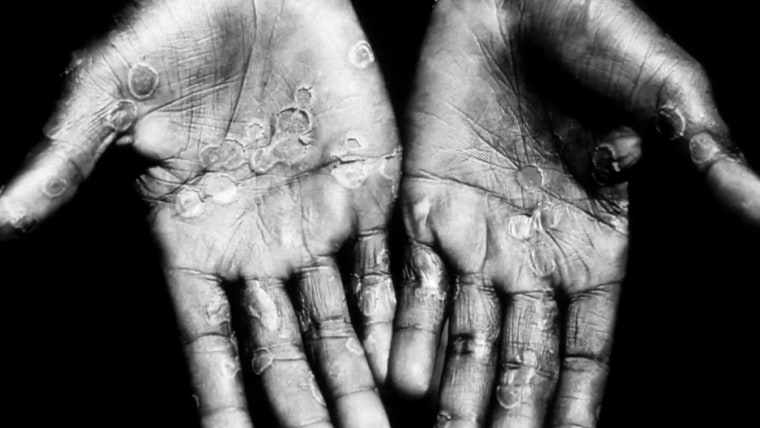
Monkeypox spreads when people have close, physical contact with an infected person’s lesions, their clothing or bedsheets. Most people recover without needing treatment, but the lesions can be extremely painful and more severe cases can result in complications including encephalitis and death.
The Australian government is to import 450,000 monkeypox vaccine doses to help tackle a rise in cases.
Health minister Mark Butler told reporters on Thursday (4 August) the government had negotiated at least 450,000 doses of the third-generation Bavarian-Nordic vaccine to be prioritised for specific at-risk groups including gay and bisexual men.
The government began negotiating vaccine distribution on 20 May, according to Butler, just one day after the first confirmed case in Australia.
At the current time of reporting, the US Centers for Disease Control and Prevention (CDC) estimates that at least 53 cases of the disease have been reported in Australia
While cases may seem low right now, Butler assured the public numbers had “increased quite quickly” around the world, with countries like the US currently seeing cases reach more than 6,000, and more than 4,000 in Spain.
While Australia has secured 450,000 doses, other countries are struggling to roll out the vaccine. The EU has purchased just 163,000 vaccines through its central Health Emergency Preparedness and Response Authority (HERA). France has purchased 250,000, with the UK having purchased just over 100,000.
Australia declared monkeypox a “communicable disease incident of national significance” on 28 July, just days after the World Health Organisation declared it a global health emergency.
Butler said that the first 100,000 doses are expected to reach Australia over the remaining months of 2022, with 22,000 arriving this and next week. The remaining 350,000 will be distributed in 2023.
He said the vaccine was “by far the most effective and user-friendly for patients with compromised immunity” and could also be administered in vulnerable groups such as pregnant women, children, and those with pre-existing conditions.
“I’m very pleased with the work the chief medical officer and the department have been able to do in a short period of time, particularly to secure the supply of vaccines in a highly contested global market,” he continued.
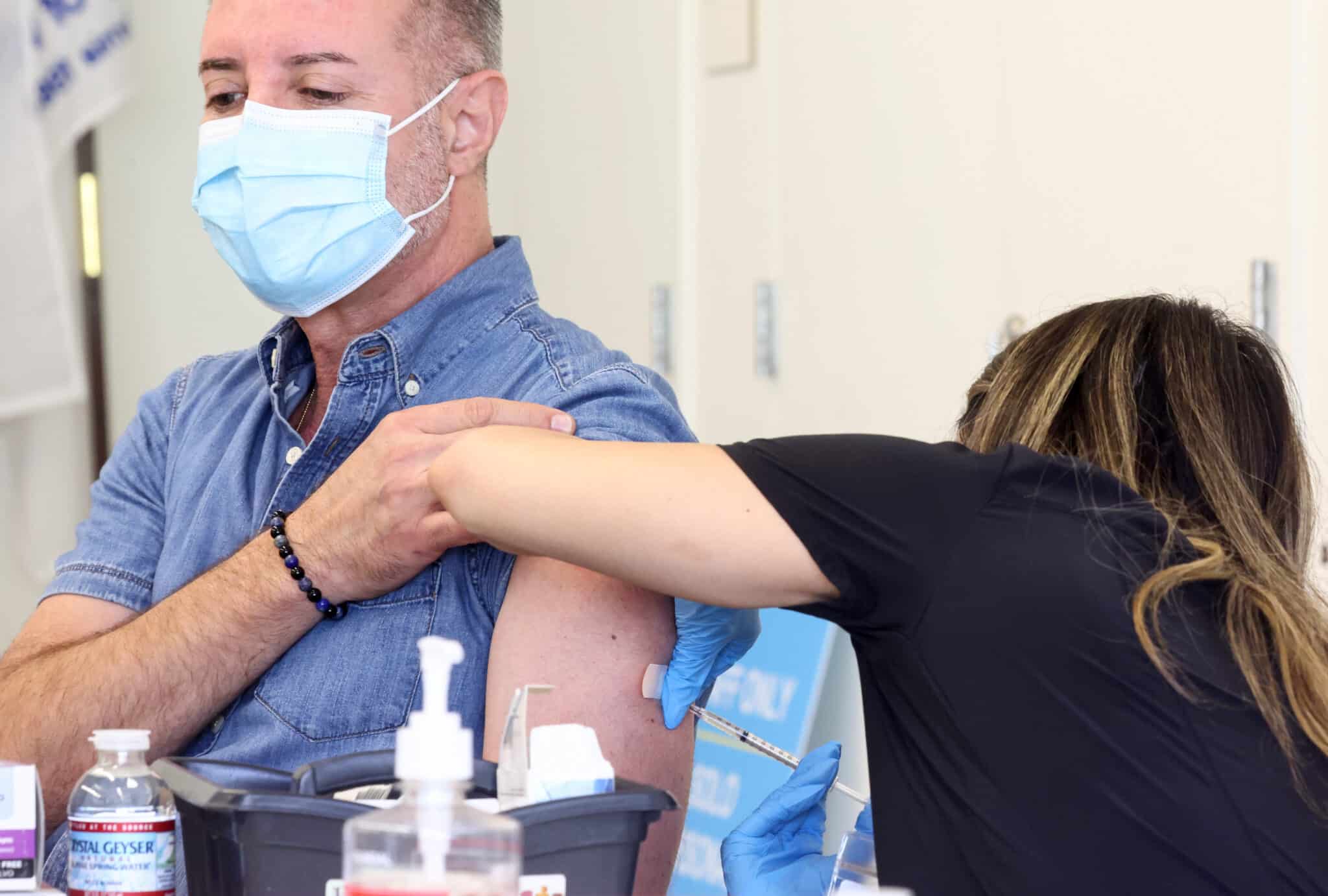
Patient receives a dose of the monkeypox vaccine at a pop-up vaccination clinic. (Mario Tama/Getty)He also warned against “stigma and discrimination” after several misinformed pundits had suggested monkeypox was a “gay disease” and is only sexually transmitted. The CDC reports researchers arestill determining whether the disease can transmit sexually and have not referred to it as an STI.
UK Health Security Agency (UKHSA) epidemiologist Mateo Prochazka toldPinkNews in May that the “discourse around this infection is going to become more prevalent and intersect with discourses that are homophobic”.
“Gay and bisexual men usually have larger numbers of sex partners and are more likely to have anonymous sexual partners as well,” he said, “and this can lead to direct contact that may not be seen in other sexual networks with the same frequency”.
“It might be that the pathogen has now entered those networks and is being spread that way. It does not mean that gay or bisexual men are doing anything inherently wrong, or that the virus has changed or that it’s sexually transmitted, it just means that this behaviour facilitates transmission in these networks.”
The ultimate guide to self-care fun
1. Say hey to these new hemp based skincare products that actually work
Hey Bud, Australia’s favorite Hemp based skincare has released two new exciting products into its best-selling range that has over 3,000 five star reviews.The Hemp Gel Moisturiser is a restorative formula that reduces inflammation and sebum action due to its extracts of Manuka, Black Pepper and Magnolia, while the Niacinamide + Hemp Serumharnesses the benefits of the micronutrient Vitamin B3, Liquorice and Green Tea to leave skin blemish free and strengthened. Get 15 percent off with the discount code P15 here.
Amid growing concerns over the potential threat of monkeypox, executives from Moderna said Wednesday they have initiated a research program to consider whether the company could create a monkeypox vaccine with mRNA technology. “We’re obviously very aware of the monkeypox concern and obviously very sensitive to recent announcements,” Moderna President Stephen Hoge said during an investor call.
“Our platform is pretty well established and our ability to rapidly scale has been demonstrated. If we were to go after a monkeypox clinical development program, it would be to very quickly progress toward an approvable set of endpoints in a clinical study,” he explained. As seen with the rollout for the COVID-19 vaccines, any new vaccine would still need to go through the regulatory authorization process, which can take weeks to months, even in special circumstances.
CDC Director Rochelle Walensky told reporters on a call Thursday that gay and bisexual men who are HIV positive or who are taking medicines, called PREP, to reduce their chance of contracting HIV face the greatest health risk from monkeypox.
“That’s the population we have been most focused on in terms of vaccination,” Walensky said.
The U.S. has secured 1.1 million doses of the two-dose vaccine Jynneos so far, according to the Health and Human Services Department. The federal government has delivered more than 600,000 doses of the vaccine since May, according to HHS.