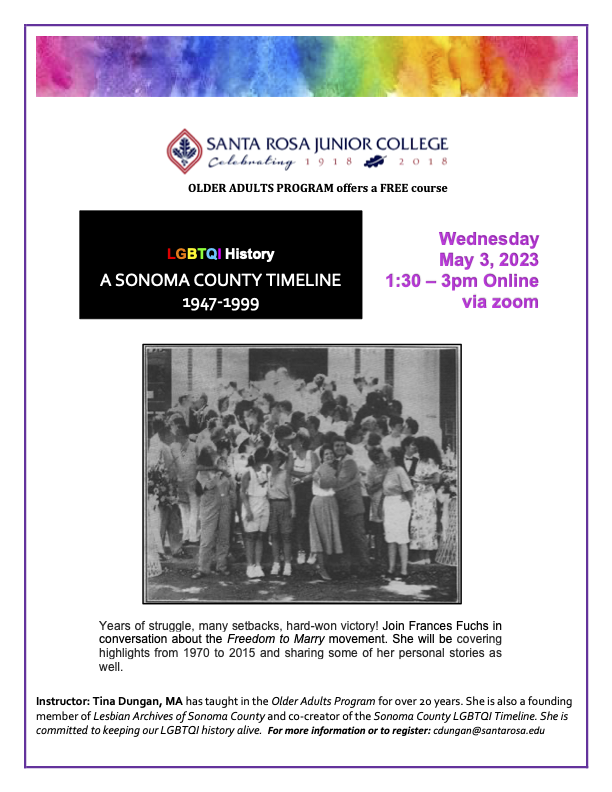
LGBTQI History: A Sonoma County Timeline 1947-2000.
Wednesdays 1:30-3pm. Online via Zoom. On May 3, Frances Fuchs will be talking with us about the Right To Marry movement in Sonoma County. Please contact me to enroll in this FREE class and receive a Zoom invite: cdungan@santarosa.edu
Knowing your LGBTQ+ history is not only important, but it can provide great comfort and reassurance for members of the community. What’s more, it opens our eyes to the fact that, yes, queer really has always been here!
RELATED STORIES
This Week in LGBTQ Twitter: Lesbian Visibility Week brings out the TERFs
And Chelsea Manning throws shade at Elon Musk.
In honor of Lesbian Visibility Week, we thought we’d educate you on some key moments in lesbian history, from the first arrest for lesbian activity to the first televised kiss between two women.
Get the Daily Brief
The news you care about, reported on by the people who care about you.
The first conviction for lesbian activity
We’re starting off by throwing it all the way back to the 1600s.
In March 1649, there was the first known conviction for lesbian activity in North America.
Sarah White Norman and Mary Vincent Hammon were charged with “lewd behavior with each other upon a bed” in Plymouth, Massachusetts.
Hammon was under 16 and not prosecuted.
The first lesbian marriage
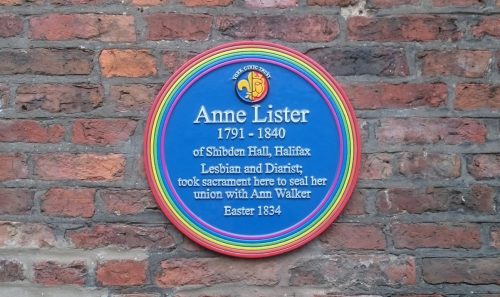
Public domainAnne Lister plaque in York
Same-sex marriage wasn’t legalized in the United States until 2015, but that didn’t doesn’t mean lesbian weddings only started happening then.
In fact, the very first marriage between two women actually happened in the 1800s.
Anne Lister (whose name you might recognize from the HBO series Gentleman Jack) was dubbed “the first modern lesbian,” and she married Ann Walker at Holy Trinity Church, Goodramgate, York in 1834.
Of course, their union was without legal recognition, given that same-sex marriage was only legalized in the U.K. in 2014. However, they took communion together on Easter Sunday and thereafter considered themselves married.
In years since, the church has been described as “an icon for what is interpreted as the site of the first lesbian marriage to be held in Britain,” and the building now hosts a commemorative blue plaque in their honor.
The word “lesbian” is used
The word “lesbian” is part of many people’s everyday vocabulary now, but do you know when it was first used?
Well, the word “lesbianism” to describe erotic relationships between women had been documented way back in 1732.
The term was first used by William King in his book, The Toast, published in England, which meant women who loved women.
The book has become notable for providing proof that the term “lesbians” was used in a sexual sense as early as the 1700s, in exactly the same way that it is used today.
Before this, the word lesbian meant “of Lesbos”, such as “Lesbian wine” or “Lesbian culture.”
The term “lesbian” is used in a medical dictionary
Then, in 1890, the term lesbian was used in a medical dictionary as an adjective to describe tribadism (as “lesbian love”).
The terms lesbian, invert, and homosexual were then interchangeable with sapphist and sapphism around the turn of the 20th century.
Arrest for lesbian partying
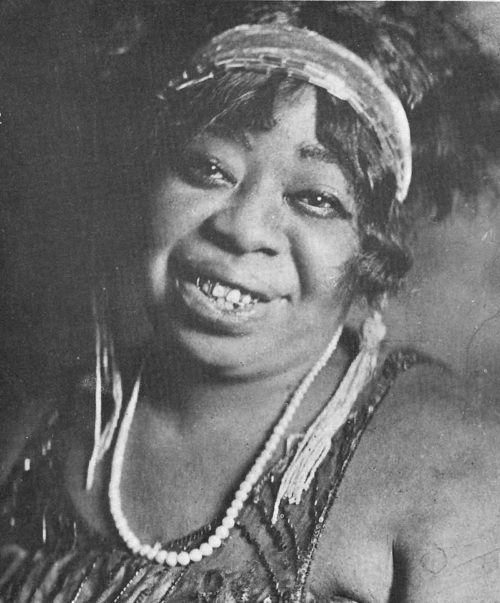
WikipediaMa Rainey
Singer Ma Rainey – the so-called Mother of the Blues – was arrested in her house in Harlem for having a lesbian party in 1925.
Her protégé, Bessie Smith, bailed her out of jail the following morning.
Both Rainey and Smith were part of an extensive circle of lesbian and bisexual African‐American women in Harlem, and the Blues scene of the Harlem Renaissance provided Black women with a space to explore their sexuality and gender. It gave them the freedom to be themselves without the white supremacist gaze, which sexualized and criminalized Black women.
Rainey wrote about speculation regarding her sexuality three years later in the song “Prove it On Me Blues,” with lyrics including: “Ain’t nobody caught me, you sure got to prove it on me.”
Publication of a groundbreaking lesbian novel
In 1928, English author Radclyffe Hall published what many consider today a groundbreaking lesbian novel, The Well of Loneliness. It follows the life of Stephen Gordon, an Englishwoman from an upper-class family whose “sexual inversion” is apparent from an early age.
The book’s release caused the topic of homosexuality to be a topic of public conversation in both the United States and England.
The formation of the first known lesbian rights organization
In September 1955, the first known lesbian rights organization in the United States was formed in San Francisco.
Daughters of Bilitis (DOB) hosted private social functions until it was dissolved in 1995. It was conceived as a social alternative to lesbian bars and clubs, which were subject to raids and police harassment, as well as general discrimination.
Throughout its 14 years, Daughters of Bilitis became an educational resource for lesbians, gay men, researchers, and mental health professionals.
RELATED STORIES
Coming out from behind the lens: How one lesbian’s photos captured the rise of gay rights
Kay Lahusen was the first photojournalist of the LGBTQ movement and she helped to document the earliest protests for homosexual rights.
While representation is well on its way now, there was a time when TV shows didn’t want to touch lesbianism with a bargepole, making the first on-screen kiss between two women all the more monumental.
Although it might surprise you to learn that it wasn’t until the nineties that two women first locked lips on American TV.
The kiss in question aired in a 1990 episode of 21 Jump Street, but the camera cut off their actual lips, meaning the actual kiss wasn’t really shown at all.
So, unofficially, the first lesbian kiss on TV is often attributed to a 1991 episode of legal drama L.A. Law, in which bisexual lawyer C.J. briefly kissed her female colleague Abby Perkins on the lips.
Sadly, romance never blossomed between the two characters, as Abby left the show and C.J ended up with a boyfriend, not to mention the network received major backlash for the scene.
Still, we’ve come a long way.
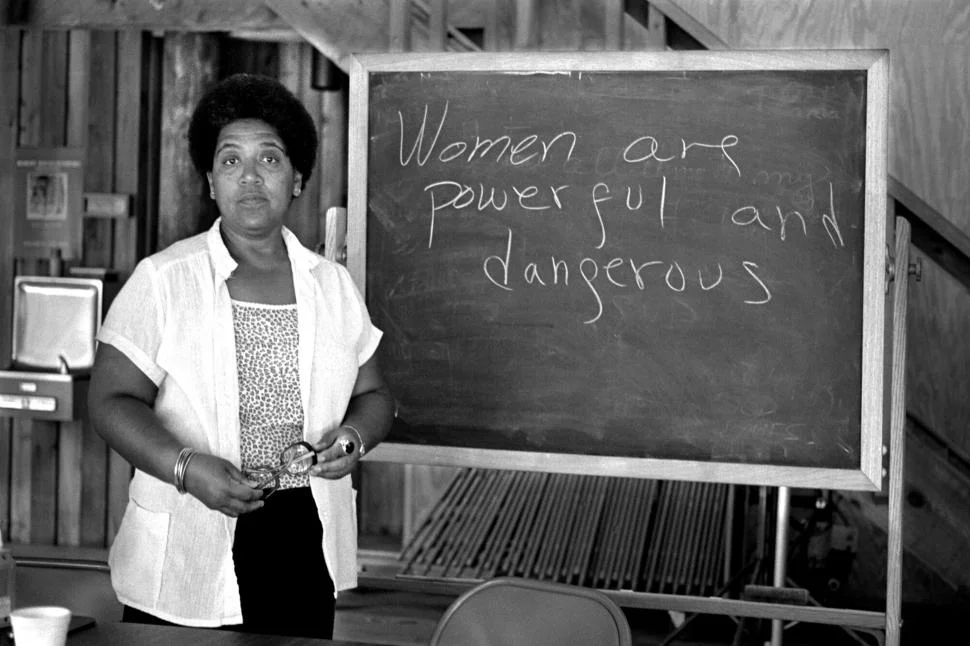
Audre Lorde is named State Poet of New York
A sign with an Audre Lorde quote at the 2017 Women’s March in Toronto
In 1991, self-described “Black, lesbian, mother, warrior, poet,” Audre Lorde became the State Poet of New York. She dedicated both her life and her creative talent to confronting and addressing various injustices, whether it be classism, homophobia, racism, or sexism.
The critically acclaimed novelist, poet, and essayist was also a co-founder of The Kitchen Table Women of Color Press, and an editor of the lesbian journal Chrysalis.
In April 1997, comedian Ellen DeGeneres came out as a lesbian on the cover of Timemagazine, stating: “Yep, I’m Gay.”
The cover coincided with the broadcast of “The Puppy Episode,” a two-part episode of the American situation comedy series Ellen.
The episode details lead character Ellen Morgan’s realization that she is a lesbian and her coming out, with the title initially used as a code name for Ellen’s coming out so as to keep the episode under wraps.
To say the moment was groundbreaking for lesbian history would probably be an understatement, as not only did it win multiple awards, Ellen became a cultural icon. DeGeneres’s career, though, suffered as the network stopped promoting her sitcom until it was ultimately canceled.
RELATED STORIES
Ellen ends her 19-year talk show by showing how far LGBTQ equality has come
“Twenty-five years ago they canceled my sitcom because they didn’t want a lesbian to be in primetime once a week. And I said, ‘OK, then I’ll be on daytime every day. How about that?’”
First lesbian elected to Congress
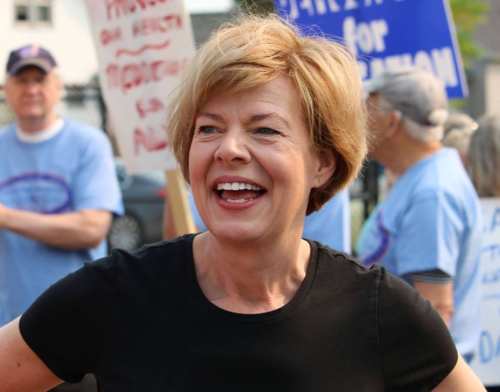
Campaign photoSenator Tammy Baldwin
In 1998, aged 24, Tammy Baldwin became the first openly lesbian candidate ever elected to Congress, winning Wisconsin’s Second Congressional District seat over Josephine Musser.
The Democrat was also the first woman elected to either chamber in Wisconsin.
Then in 2012, she made history as the first LGBTQ+ person elected to the Senate.
Publication of When We Were Outlaws: a Memoir of Love and Revolution
Written by Jeanne Cordova, When We Were Outlaws was published in 2011.
The radical lesbian activist and pioneer’s memoir offers a raw and intimate insight into the life of a young activist torn between conflicting personal longings and political goals, at a time when the fight for gay rights and liberation for women was still fresh.
Today, When Were Outlaws is still considered extraordinary.
Lesbian history is still in the making
Looking back at these groundbreaking moments in lesbian history, we can see how far the LGBTQ+ community has come in the fight for equality and acceptance. However, we must also acknowledge that lesbian history is still in the making.
There is still much work to be done in terms of combating discrimination and bigotry and ensuring that all members of the community are treated with dignity and respect.
Let us honor the brave pioneers who paved the way for us and continue to fight for a better future for all members of the LGBTQ+ community.
By subscribing to the LGBTQ Nation newsletter, we can stay informed and engaged with the ongoing struggle for LGBTQ+ rights and contribute to the ongoing progress towards a more just and equitable society.
As the nation’s culture wars rage on in classrooms and libraries, attempts to ban books have reached a record high, and titles with LGBTQ themes remain top targets.
In its annual book censorship report, the American Library Association documented 1,269 challenges to more than 2,500 books in 2022, the highest number of attempted book bans since the association began tracking such efforts in 2001. It was a 75% jump from 2021, which held the previous record.
Of the 13 books that made the ALA’s list of “Most Challenged Books” last year, seven titles — including three of the top four — were challenged for having LGBTQ content, the association found.
Deborah Caldwell-Stone, director of the American Library Association’s Office for Intellectual Freedom, said the LGBTQ-heavy list “sends a message of exclusion.”
“It’s a way of telling young gay and transgender persons that they don’t belong in school, that they don’t belong to the community,” she said. “It sends a message to the LGBTQ community as a whole that they’re not considered full citizens with full rights to participate in community institutions like the library.”
The ALA reported that, prior to 2020, the “vast majority” of challenges against books were made by individuals who sought to restrict access to a single book their child was reading. But the group found that 90% of last year’s challenges were directed at multiple books and nearly a fifth of them were made by “political/religious groups.”
The association cited this finding as “evidence of a growing, well-organized, conservative political movement, the goals of which include removing books about race, history, gender identity, sexuality, and reproductive health from America’s public and school libraries that do not meet their approval.”
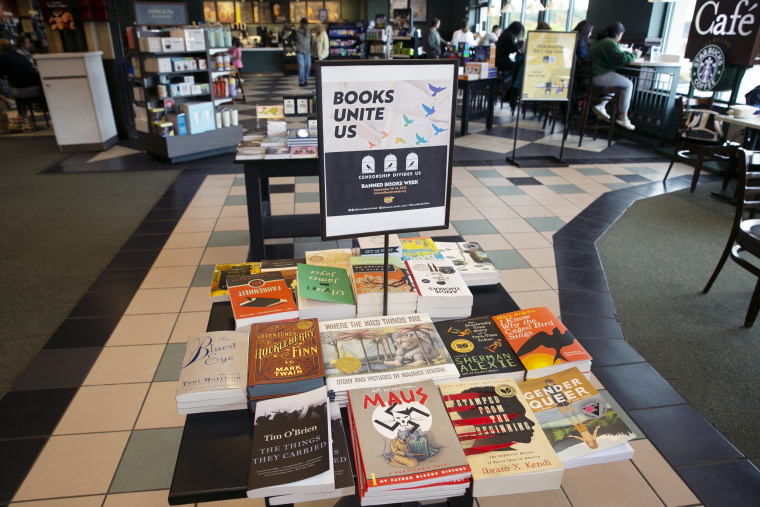
A display of banned books at a Barnes & Noble book in Pittsford, New York, in 2022.Ted Shaffrey / AP
Just last week, the Florida Board of Education approved Gov. Ron DeSantis’ request to expand the state’s so-called Don’t Say Gay law — which restricts the instruction of sexual orientation and gender identity in the state’s public schools — to all grades. Previously, the law only explicitly applied to children in kindergarten through third grade.
Last year’s most challenged book was the award-winning memoir “Gender Queer,” which also topped the ALA’s 2021 list of most banned books.
The illustrated memoir — which chronicles nonbinary author Maia Kobabe’s journey of self-identity — has faced unparalleled pushbackfrom school boards and conservative activists around the country in recent years.
A representative for Kobabe did not immediately respond to NBC News’ request for comment.
In a previous interview with NBC News, Kobabe acknowledged that parts of their memoir may not be appropriate for elementary school children. However, the author said the book’s straightforward accounts could be used to show readers an experience growing up outside of cisgender and heterosexual norms.
“It’s very hard to hear people say, ‘This book is not appropriate to young people,’ when it’s like, I was a young person for whom this book would have been not only appropriate, but so, so necessary,” Kobabe said. “There are a lot of people who are questioning their gender, questioning their sexuality and having a real hard time finding honest accounts of somebody else on the same journey. There are people for whom this is vital and for whom this could maybe even be lifesaving.”
Other titles at the top of the 2022 list include George M. Johnson’s “All Boys Aren’t Blue,” Toni Morrison’s “The Bluest Eye,” Mike Curato’s “Flamer,” John Green’s “Looking for Alaska” and Stephen Chbosky’s “The Perks of Being a Wallflower.”
Caldwell-Stone said that the group of books — as with all books — should remain on shelves without “fear or favor.”
“Everyone is entitled to find books that reflect their interests, their experiences, their backgrounds, their identities on the shelves of a publicly funded library that’s there to serve everyone,” she said.
An eastern Ohio man told investigators that he tried to burn down an Ohio church because he wanted to prevent a drag show that was scheduled to take place there, federal prosecutors allege in newly unsealed charges.
Aimenn Penny, a 20-year-old from Alliance who is a member of a “white lives matter” group that espouses racist and neo-Nazi views, tried to burn down the Community Church of Chesterland early on March 25, authorities allege in court documents unsealed Monday. Chesterland is a small community east of Cleveland.
According to the criminal complaint, Penny said he tried to burn down the church using Molotov cocktails because he wanted to “protect the children and stop the drag show event.” He also regretted that it didn’t work, authorities said.
According to court documents, Aimenn D. Penny, 20, of Alliance, attempted to burn the church to the ground after learning the church was holding multiple drag show events the following weekend.
Penny was initially arrested and charged with federal offenses on March 31. If convicted, Penny faces a maximum penalty of up to 20 years in prison for the violation of the Church Arson Prevention Act.
Penny also faces a mandatory minimum of five years and up to 20 years in prison for the malicious use of explosive materials charge and up to 10 years in prison for the possession of a destructive device charge.
In addition, if convicted of using fire to commit a federal felony, Penny faces a 10-year mandatory prison sentence that will run consecutively with any other prison term imposed
At an All Saints Church in Pasadena lrecently, a coalition of faith communities discussed concerns about a proliferation of legislation that impacts transgender people and denounced anti-transgender agenda in a press conference.
“We are deeply concerned about the growing number of anti-transgender bills being introduced in state legislatures across the country,” said Rabbi Sharon Kleinbaum, Senior Rabbi at Congregation Beth El in Berkeley, California. “These bills are based on fear and ignorance, and they are putting transgender people at risk. We call on our elected officials to reject these hateful measures and to stand up for the rights of all people.”
Faith leaders from various denominations gathered on the national “Transgender Day of Visibility” to proclaim support for the transgender and LGBTQ community, according to Pasadena Now.
Many faither leaders spoke out, including Reverend Mike Kinman, the rector at All Saints. He quoted a Greek bishop who said, “the glory of God is a human being come fully alive.”
“We are here today to say that transgender people are fully alive, and that their lives are sacred,” Kinman said. “We stand with them in solidarity, and we will fight for their rights.”
Another leader, Jonathan Quinn, chair of the All Saints Episcopal Pasadena LGBTQ Ministry, spoke out during the gathering alongside his partner.
“I’m afraid about the free practice of religion of trans people, and how that might be affected by a lot of this new anti-trans legislation … I’m finding a lot to be afraid of these days, but as a person of faith, I believe that fear must not be given the last word. As a Christian, I believe that God created trans people to show the world their own holiness, joy and love.”
Together, the coalition called on faith leaders to speak out against anti-transgender rhetoric and policies, Pasadena Now reported.
“We urge all faith leaders to use their voices to speak out against hate and discrimination,” said Rev. Jennifer Yen, executive director of the Los Angeles Queer Interfaith Clergy Council. “We must stand together in love and compassion, and we must create a world where all people are safe and affirmed.”
This press conference gathered in response to the transgender rights under attack across the nation, including bills that would ban transgender students from using the bathrooms that correspond with their gender.
Rabbi Karen Bender said, “As a mommy, as a parent of a child that is trans, it’s my passion to walk with them, as they discover their true selves, and all I’m asking as a parent is that to allow that to happen, to have the freedom to discover who they really are.”
Equality California, the nation’s largest statewide LGBTQ+ civil rights organization, released the following statement from Executive Director Tony Hoang in response to Rep. Tom McClintock (R-CA) introducing H.R. 2640, the Border Security and Enforcement Act of 2023, which would make it much harder for immigrants to seek asylum in the US and reinstate previous provisions enforced during the Trump Administration:
“The United States has always served as a beacon of hope for immigrants seeking a better life for themselves and their families, including those who are LGBTQ+. Until our nation has a just and functional immigration system, we do not have full and lasting LGBTQ+ equality. Undocumented LGBTQ+ people and those seeking asylum face tremendous negative effects on their social well-being for being members of two marginalized groups.
Many seeking asylum do so because they are fleeing violence or persecution in their countries of origin. As we’ve seen recently in places like Uganda and Iran, LGBTQ+ people face significant danger in other parts of the world simply because of who they are or who they love. Representative McClintock’s bill seeks only to further stigmatize immigrant communities, a population already vulnerable to harassment and discrimination, and he should be ashamed for contributing to anti-immigrant narratives.
Equality California will continue our efforts to educate about the compounded disparities that LGBTQ+ immigrants and undocumented people face, and we urge the House and Senate to vote down this dangerous legislation.”
H.R. 2640 would aggressively reduce the number of people eligible for asylum by expanding a series of felonies and misdemeanors that would make most ineligible for asylum protections. It would also mandate detention for family units crossing the border without prior authorization for the duration of their legal process, including detention for minors. Additionally, the bill would mandate asylum requests be conducted at ports of entry, raise penalties for visa overstays, and crack down on immigrant workers.
###
Equality California is the nation’s largest statewide LGBTQ civil rights organization. We bring the voices of LGBTQ people and allies to institutions of power in California and across the United States, striving to create a world that is healthy, just, and fully equal for all LGBTQ people. We advance civil rights and social justice by inspiring, advocating and mobilizing through an inclusive movement that works tirelessly on behalf of those we serve. www.eqca.org
Over the centuries, lesbians and other queer women have pushed the world forward, often challenging norms and defying the expectations of their times. From 1700s England to the contemporary shores of New York’s Fire Island, these women forged new paths and made a space for others to do the same.
Some of those on this list lived at a time when there was no language for queer identity as in the present time, and often could not come out due to societal restrictions and concerns for their own safety. Like much of LGBTQ history, identifying who someone was requires squinting through the haze of the past and reading between the lines of diaries, historical records and second-hand accounts.
What is certain, though, is that queer women have always been around, even if their circumstances forced them to obscure their full selves.
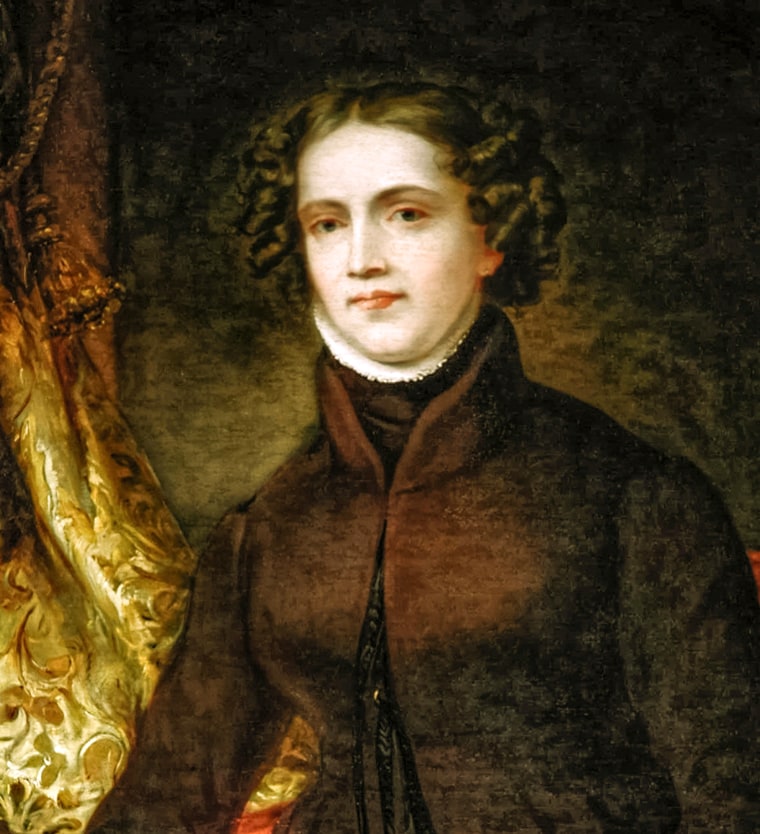
Anne Lister (1791-1840)
Anne Lister.Visual Arts Resource / Alamy Stock Photo
Anne Lister, who has been described as “the first modern lesbian,” was born in northern England and lived during the height of the Industrial Revolution. Educated, wealthy and masculine in appearance, she had relationships with women beginning at an early age and by all accounts was unabashedly queer and self-assured, navigating her way around polite society while excelling as a businesswoman. Her womanizing reputation earned her the nickname “Gentleman Jack,” the latter part being a slur for lesbian at the time, but the name was reclaimed on Lister’s behalf, thanks to the BBC-HBO series “Gentleman Jack,” which ran from 2019 to 2022.
Though she did not use the word “lesbian” to describe herself, she wrote in her diary in 1821, “I love and only love the fairer sex and thus beloved by them in turn, my heart revolts from any love but theirs.” Lister married her neighbor and fellow landowner, Ann Walker, in 1834 at a church in York, England, an event considered to be the first recorded lesbian wedding in the history of Britain. Though it is unclear exactly what transpired at the church, experts are in agreement that the pair made vows to each other and exchanged rings. There was no legal recognition of the marriage at the time, but a commemorative plaque adorns the church and celebrates their union.
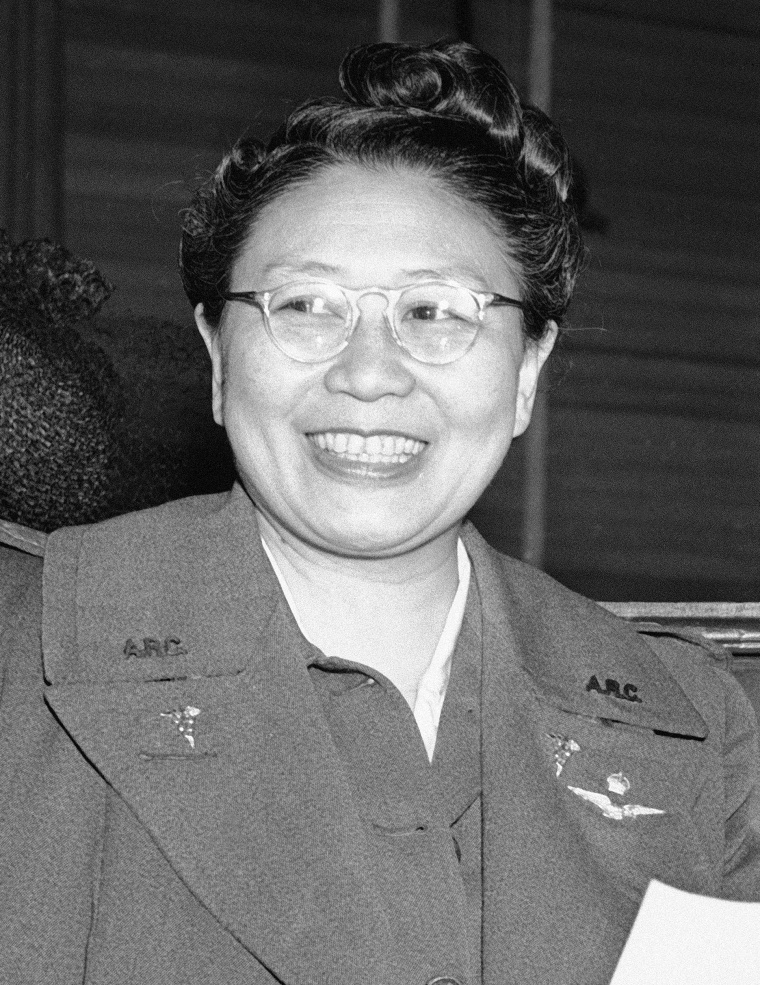
Dr. Margaret ‘Mom’ Chung (1889-1959)
Margaret Chung in 1942. AP
Dr. Margaret Chung is best known as the first Chinese American woman to become a physician — and lesser known as a queer woman who attracted a clientele of lesbian couples and women seeking birth control.
Chung graduated from medical school in 1916 and was known to wear a dark suit and carry a parakeet around in a cage dangling from her wrist. During the 1930s and 1940s, she became known as “Mom Chung” for her support of U.S. troops, “adopting” hundreds of them, sending care packages and hosting soldiers for Sunday dinners at her home in San Francisco. Although Chung never came out, she did reportedly have intimate relationships with women, and rumors of her sexuality followed her throughout her life. A plaque hanging on Chicago’s Legacy Walk, which commemorates the contributions of LGBTQ people, celebrates her life.
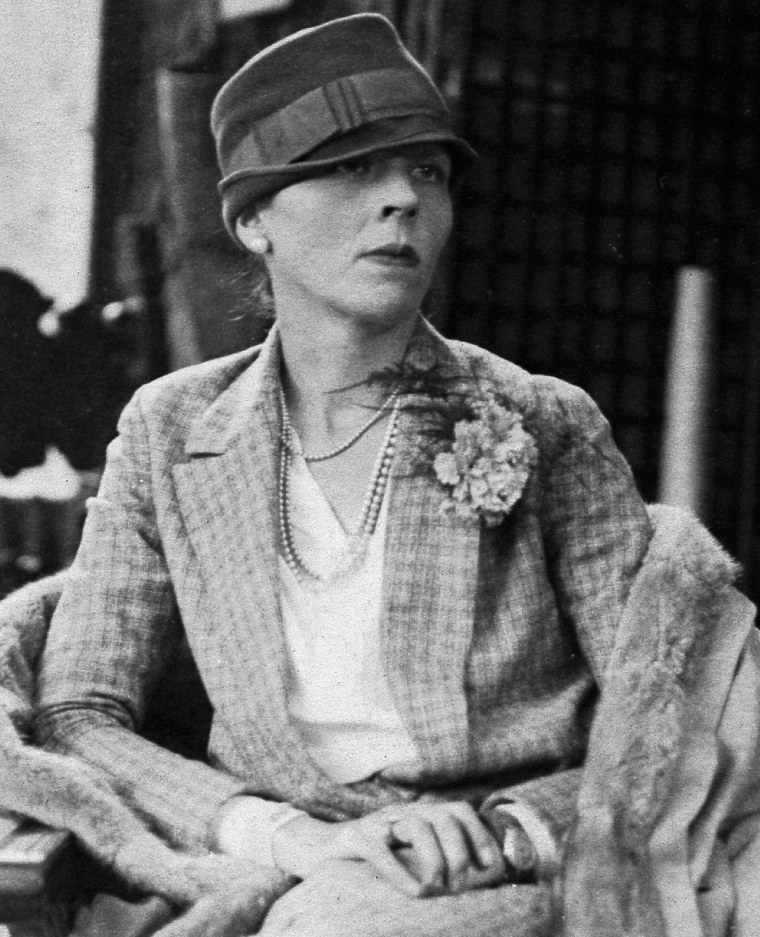
Djuna Barnes (1892-1982)
Djuna Barnes in 1930.adoc-photos / Corbis via Getty Images
Djuna Barnes was an avant-garde writer best known for her 1936 title “Nightwood,” one of the earliest lesbian novels to be published by an American writer. Barnes’ other well-known works include “Ladies Almanack,” published in 1928 and described as “a gentle satire of literary lesbians,” and the 1958 play “The Antiphon,” which The Paris Review described as a work that “concerns the war of wills within a family, primarily between a middle-aged woman and her mother.”
Barnes was a journalist before she was a novelist, poet and playwright. Her reporting stood out for being sensationalist and immersive, and she often tackled the political issues of her day. For an assignment published in New York World Magazine in 1914, Barnes submitted to being force-fed in prison, something that was being used on suffragists as they carried out hunger strikes.
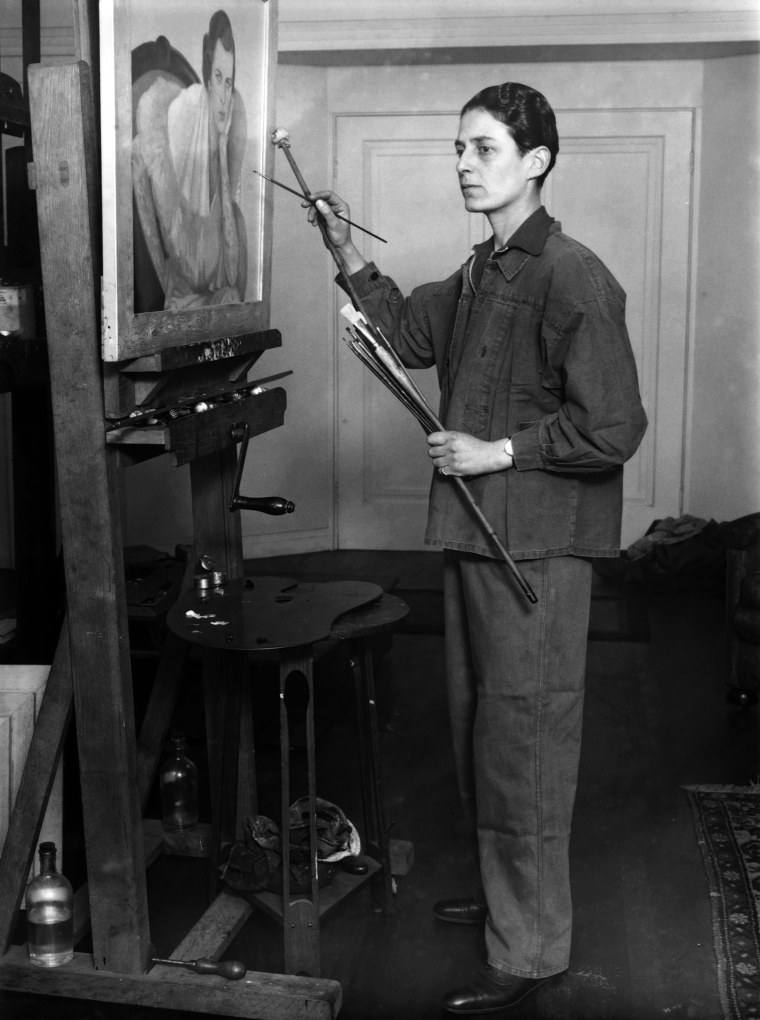
Gluck (1895-1978)
Gluck in 1932.Fox Photos / Getty Images
An artist who defied the expectations of her day, Gluck was a British painter born Hannah Gluckstein in 1895. It is not clear how she would identify using the modern day’s vernacular, or if she would’ve considered herself a lesbian, but what is known is she had her short hair cut at a gentleman’s hairdresser, wore men’s suiting, kept a dagger hanging off her belt and was referred to as “Peter” among close friends, or as “Tim” by a female lover.
Gluck came from a wealthy family, and her privilege both insulated her and offered her the freedom to live a more open life. She had relationships with several women, including a playwright and society woman named Nesta Obermer. Gluck referred to Nesta as“my own darling wife,” and “my divine sweetheart, my love, my life.” She painted a portrait of them together, which later became the cover of “The Well of Loneliness,” a novel published by British author Radclyffe Hall in 1928 that is regarded as the first lesbian novel in the English language.
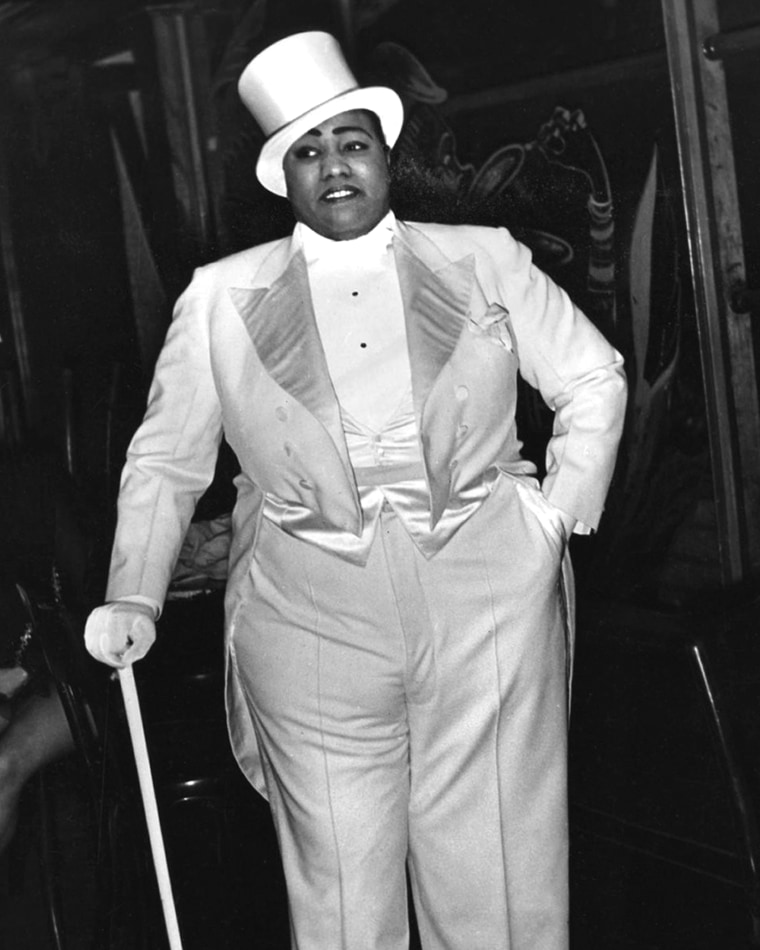
Gladys Bentley (1907-1960)
Gladys Bentley in 1930.Michael Ochs Archives / Getty Images
Gladys Bentley was a singer, piano player and entertainer who performed in the 1920s and 1930s, in the era that came to be known as the Harlem Renaissance.
Bentley was a powerful performer, and she was known for her top hat, tailored white tuxedos and risque lyrics. She did not conceal her sexuality but celebrated it, flirting with women in the crowd and incorporating a more masculine identity into her performances. She became one of the best-known Black entertainers of the time, and at the height of her fame she moved from Harlem to Park Avenue and had a team of servants. Bentley left New York in the late 1930s and performed throughout California, most notably Mona’s 440 Club, the first lesbian bar in San Francisco.
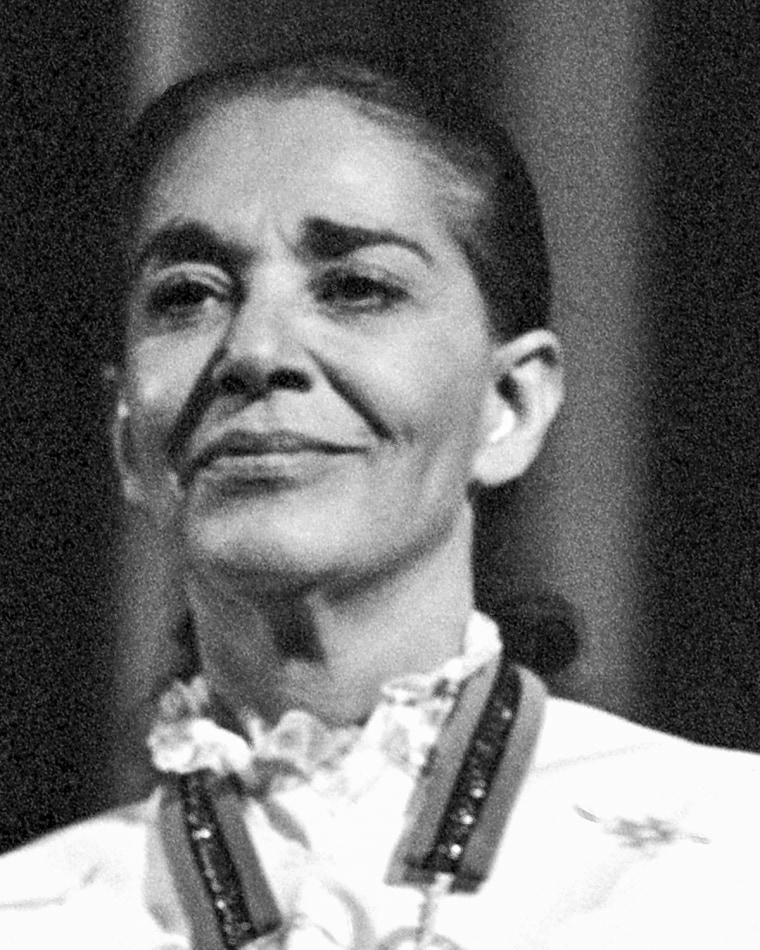
Chavela Vargas (1919-2012)
Chavela Vargas in 1973. Gianni Ferrari / Getty Images
Born in Costa Rica in 1919, Chavela Vargas was 14 years old when she fled to Mexico with dreams of becoming a singer. She became one of Mexico’s best-known female singers, achieving dominance in the world of canción ranchera, a style that often includes broken hearts and unrequited love, mournful ballads traditionally told from a man’s perspective.
Vargas rose to fame in the 1960s and 1970s, and had a reputation for being macho and drinking hard. While rumors long swirled about her being a lesbian, she didn’t come out until she was 81 years old, in an interview from the 1990s included in the 2017 film “Chavela.”
“When you’re true to yourself, you win in the end,” Vargas said.
Rosalie ‘Rose’ Bamberger (1921-1990)
In the 1950s, Rosalie “Rose” Bamberger had the idea to form a secret society for lesbians. The bars were constantly being raided, and Bamberger was looking to give women a space to meet one another that would be safe and private. She also wanted to dance without being arrested.
The first meeting was at Bamberger’s house in 1955, which she shared with her partner Rosemary Sliepen. The private club became The Daughters of Bilitis and morphed into the first lesbian rights group in the United States — and one that would eventually be surveilled by the CIA and the FBI. Though the club was Bamberger’s idea, she only lasted as a member for about six months, after a disagreement on the direction of the organization concerning her own safety as a working class woman of color.
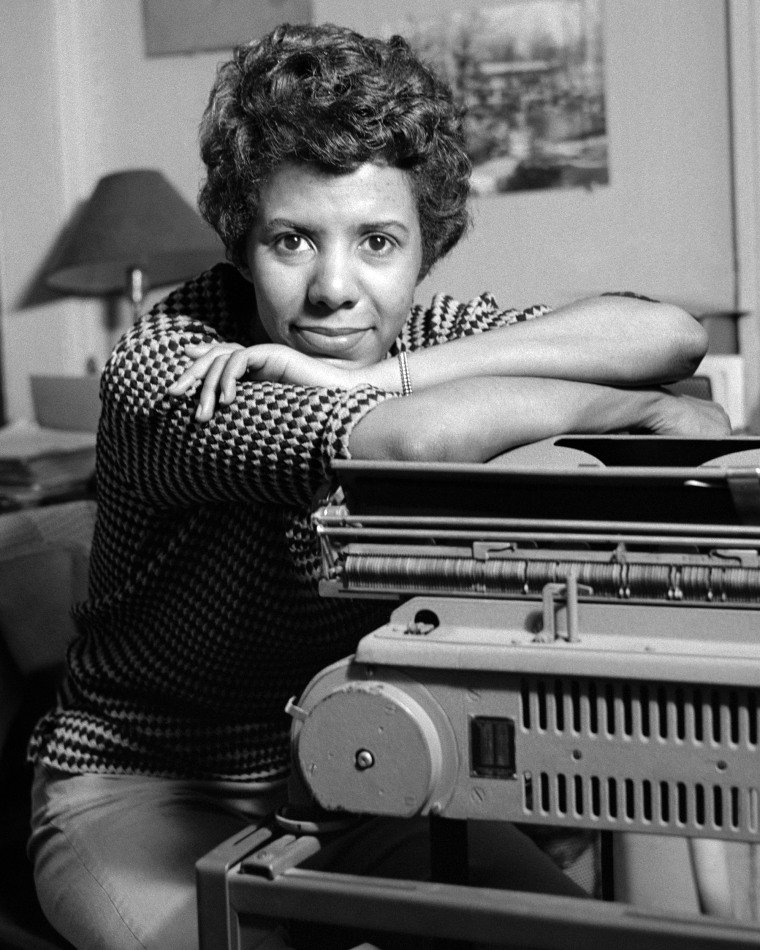
Lorraine Hansberry (1930-1965)
Lorraine Hansberry in 1959. David Attie / Getty Images
Lorraine Hansberry is best known for her 1959 play “A Raisin in the Sun,” about racial segregation in Chicago. It became the first play written by an African American woman to be produced on Broadway, and Hansberry, at 29 years old, became the first Black playwright and youngest American to win a New York Critics’ Circle Award. Activism was central to her life, and issues of racial equality, feminism and queer identity were all themes in her work.
She lived in New York’s Greenwich Village, which enabled her to have a more expansive life than was typically possible for women in the 1960s. Hansberry did not publicly come out during her lifetime, and most of what we know about her sexuality comes from her diary entries and other personal writings.
In a journal entry in 1962, she wrote, “The thing that makes you exceptional, if you are at all, is inevitably that which must also make you lonely.”
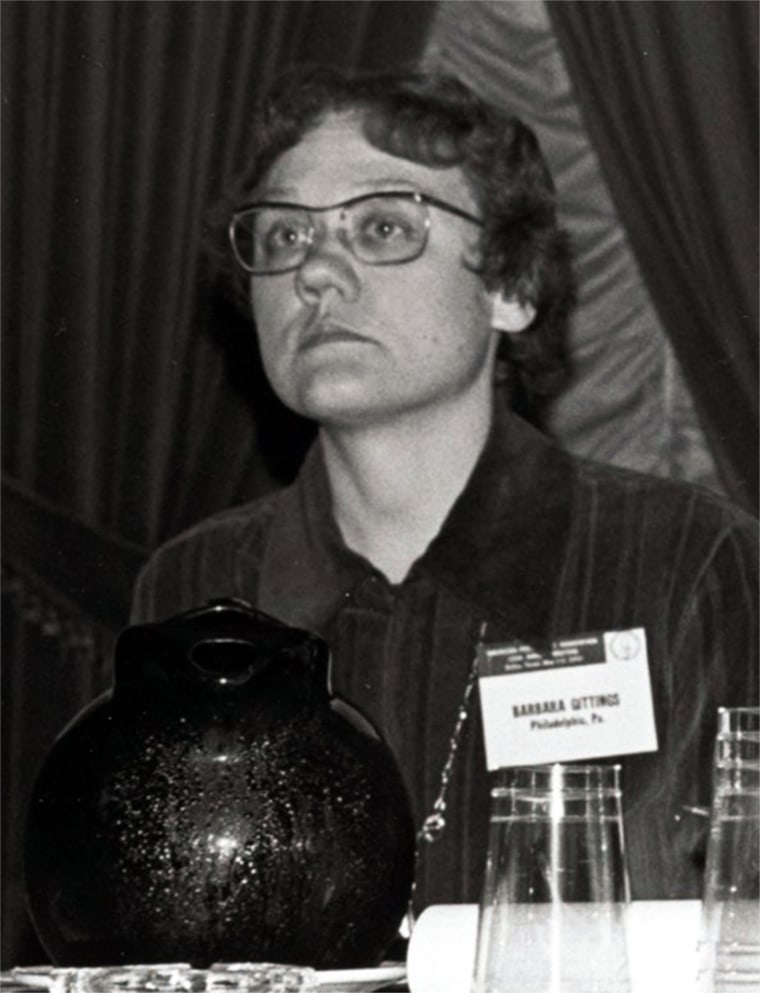
Barbara Gittings (1932-2007)
Barbara Gittings in 1972. Kay Tobin New York Public Library
Barbara Gittings, often referred to as the “mother of the LGBTQ civil rights movement,” began her activism in the late 1950s — about a decade before the first brick was thrown during the 1969 Stonewall uprising.
She founded the New York chapter of the Daughters of Bilitis and edited The Ladder, the first nationally distributed lesbian publication in America.
In the 1960s, she marched in picket lines at the White House, the State Department and Independence Hall in Philadelphia. Later, she was key in the 1973 decision by the American Psychiatric Association to end its classification of homosexuality as a mental illness. An advocate of education and books as a necessity for freedom and representation, she joined the gay caucus of the American Library Association in the 1970s. An LGBTQ library collection is named in her honor at the Independence Branch of the Free Library of Philadelphia.
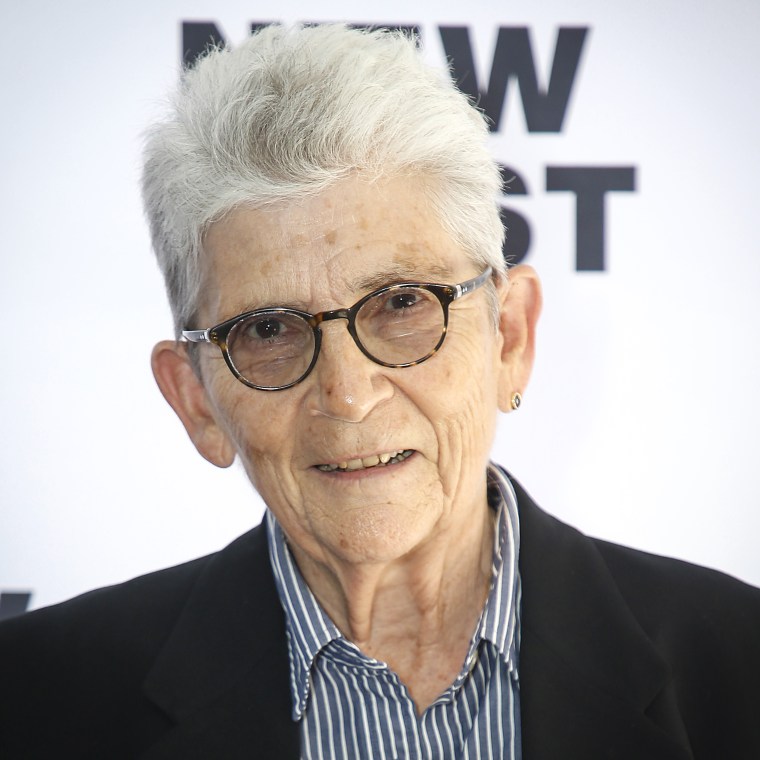
Esther Newton (Born 1940)
Esther Newton attends the screening of “Esther Newton Made Me Gay” on June 5, 2022, in New York.John Lamparski / Getty Images file
Esther Newton is an anthropologist whose 1968 dissertation was titled “The Drag Queens: A Study in Urban Anthropology,” a work that foreshadowed her career as a trailblazer questioning and challenging societal expectations of gender, sexuality and anthropological methods. Newton’s dissertation became her first book, “Mother Camp: Female Impersonators in America,” which examined the world of drag bars in the Midwest in the 1960s. It was the first anthropological study of a queer community in the U.S., and that study would lead to a lifetime of work that provided a foundation for countless LGBTQ activists and scholars.
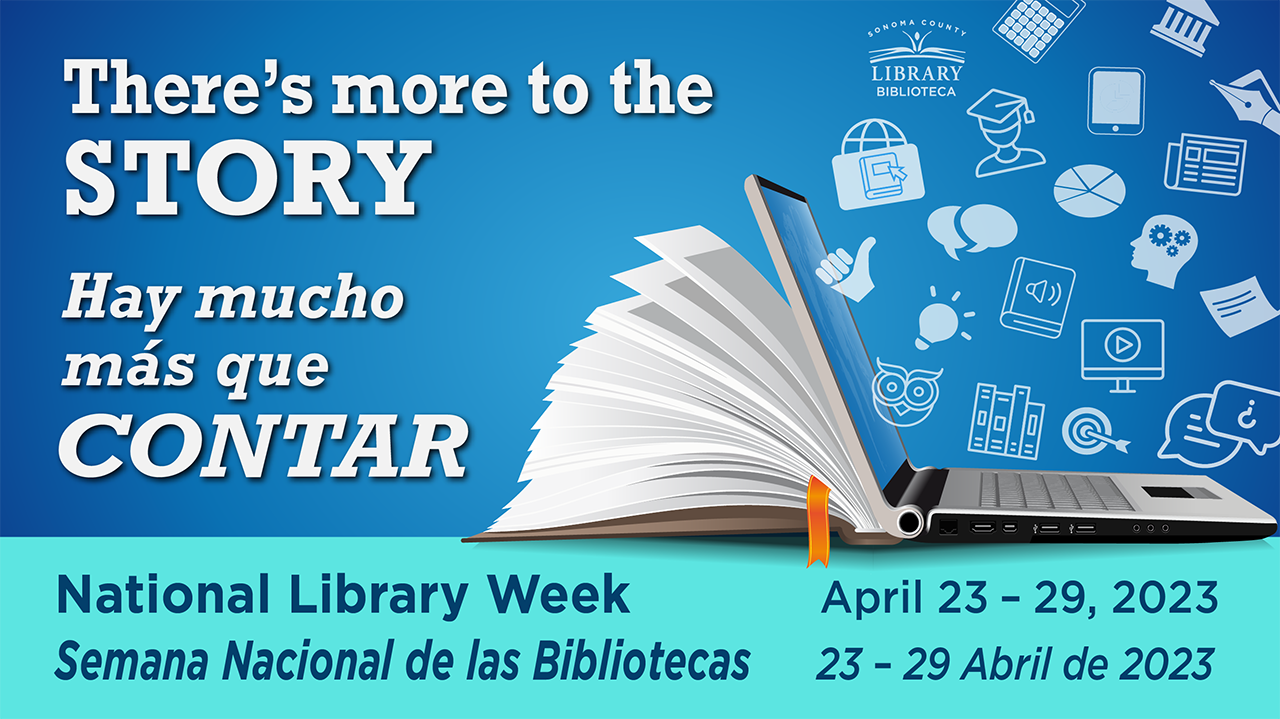
National Library Week (April 23-29) is on the horizon! Held each year in April, National Library Week is an opportunity to celebrate an audacious and remarkable idea —that information and knowledge should be accessible to anyone, anytime, absolutely free. The theme of this year’s celebration is “There’s More to the Story,” and evidence of that theme is everywhere in your local libraries. From streaming video to activities that celebrate our diversity and creativity, we meet you where you need us. Celebrate National Library Week with your library! Click here to read a note from Library Director Erika Thibault on this special week, and join us for eventsthat inspire and delight. From storytimes to book clubs, there’s something for everyone. See you soon!
Thank you for being a member of the Sonoma County Library community. Visit our online library for thousands of films, TV shows, eBooks, databases, magazines, classes, video games, and more. Be sure to check out open jobs at Sonoma County Library here. Questions? Please call your local library branch or click here to send us a message. Semana Nacional de las Bibliotecas ¡Semana Nacional de las Bibliotecas (del 23 al 29 de abril) está cerca! Celebrada cada año en abril, la Semana Nacional de las Bibliotecas es una oportunidad para celebrar una idea audaz y notable- que la la información y el conocimiento deben ser accesibles para todos en cualquier momento, absolutamente gratis. El tema de la celebración de este año is “Hay mucho más que contar,” y la evidencia de este tema se encuentra en todas las bibliotecas locales. Desde transmitir videos a actividades que celebran nuestra diversidad y creatividad, nosotros estamos preparados para apoyarlos cuando nos necesiten. ¡Celebra la Semana Nacional de las Bibliotecas con tu Biblioteca! Haz click aquí para leer un mensaje de la directora de la biblioteca Erika Thibault conmemorando esta semana tan especial y acompáñanos a los eventosque inspiran y deleitan a todos. Desde las horas de cuentos hasta los clubes de lectura, siempre habrá algo para todos. ¡Nos vemos pronto!Celebra con nosotros
Gracias por ser miembro de la comunidad de la Biblioteca del Condado de Sonoma. Visite nuestra biblioteca en línea para ver miles de películas, programas de televisión, libros electrónicos, bases de datos, revistas, clases, videojuegos y mucho más. Revise aquí los puestos disponibles en la Biblioteca del Condado de Sonoma. ¿Preguntas? Por favor llame a su biblioteca local o haga clic para mandar un mensaje.
Hungary’s president rejected a bill that would enable citizens to report anonymously same-sex families to authorities, a rare rebuke from an otherwise loyal ally of Prime Minister Viktor Orban.
The draft law approved by parliament earlier this month would allow people to report those who contest the “constitutionally recognized role of marriage and the family” and those who deny children’s rights “to an identity appropriate to their sex at birth.”
President Katalin Novak sent the bill back to parliament for reconsideration, saying that it weakens rather than strengthens constitutional protections. While lawmakers can still override Novak’s veto, her letter contains unusually sharp criticism from a member of Orban’s self-styled “illiberal” leadership.
Orbán has been clamping down on LGBTQ+ rights for more than a decade. A year after he came to power, in 2010, his party passed a new constitution that bans same-sex marriage. Later, the document was amended to bar same-sex couples from adopting children.
This has pit Budapest against Brussels, with the European Commission taking Hungary to the bloc’s highest courts for passing a law that the EU executive believes discriminates against people on the basis of their sexual orientation and gender identity.
The European Parliament and European Commission, along with more than a dozen European countries, have joined the lawsuit against the law.
It’s worth noting that after being elected, last year Novak appeared on Pat Robertson’s Christian Broadcasting Network to boast about her anti-abortion and “anti-radical gender ideology” positions.
A Missouri man was sentenced to nearly 22 years in prison Thursday for a hate crime after shooting a gay teen in May 2019.
Malachi Robinson, 25, shot the teen, who is referred to as M.S. in court documents, eight times after meeting him at the Kansas City Public Library and luring him into the woods under the guise of looking for a place to engage in a sexual act, according to the United States Attorney’s Office for the Western District of Missouri.
On the day Robinson met M.S., who was 16 at the time, he messaged his girlfriend about M.S. and said, “He tryna set me up on sumn now, gonna unfriend him, might shoot this boy if he try some gay shit,” according to court documents.
In the days after the shooting, Robinson told a friend in a message that he had shot someone because “he was being gay af and following me like a mf,” according to court documents. Before his arrest on June 3, 2019, Robinson Googled phrases including “how to get away with murder in real life” and the victim’s name with the word “shot,” according to the documents.
M.S. was taken to a hospital in critical condition and remained hospitalized for two weeks. The department said he has suffered “long-term effects of the shooting,” including having to undergo multiple surgeries and physical therapy. He also still has several bullets inside of him, the attorney’s office said.
As part of a plea deal, Robinson pleaded guilty to one count of a hate crime involving an attempt to kill and was sentenced to 21 years and 10 months in prison without parole, according to the plea.
“This defendant’s sentence holds him accountable for the violent and callous hate crime perpetrated against a defenseless teenager targeted because of their LGBTQ+ status,” Assistant Attorney General Kristen Clarke of the Justice Department’s Civil Rights Division said in a news release. “Recent FBI data makes clear that hate crimes targeting the LGBTQ+ community persist and this sentence should send a strong message to the perpetrators of these crimes that they will be held accountable.”
The FBI’s supplemental 2021 hate crime statistics found that hate crimes increased 11.6% nationally from 8,120 in 2020 to 9,065 in 2021. Out of over 10,500 single-bias incidents involving 12,411 victims, the majority — 64.5% — were targeted due to the offenders’ bias against their race, ethnicity or ancestry, followed by 15.9% who were targeted because of the offenders’ bias against their sexual orientation, 14.1% who were targeted because of the offenders’ bias against their religion, and 3.2% who were targeted due to the offenders’ bias against their gender identity.
Over the last two years, LGBTQ people, venues and events have increasingly become the targets of violence.