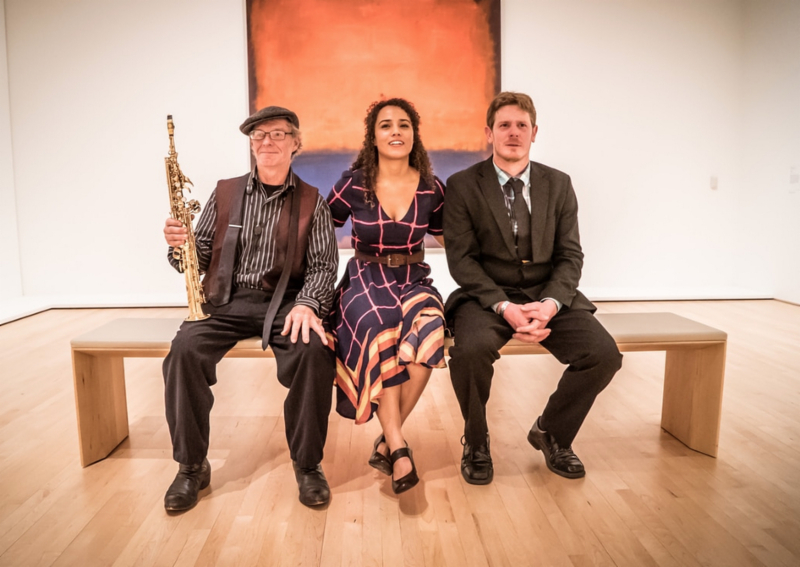
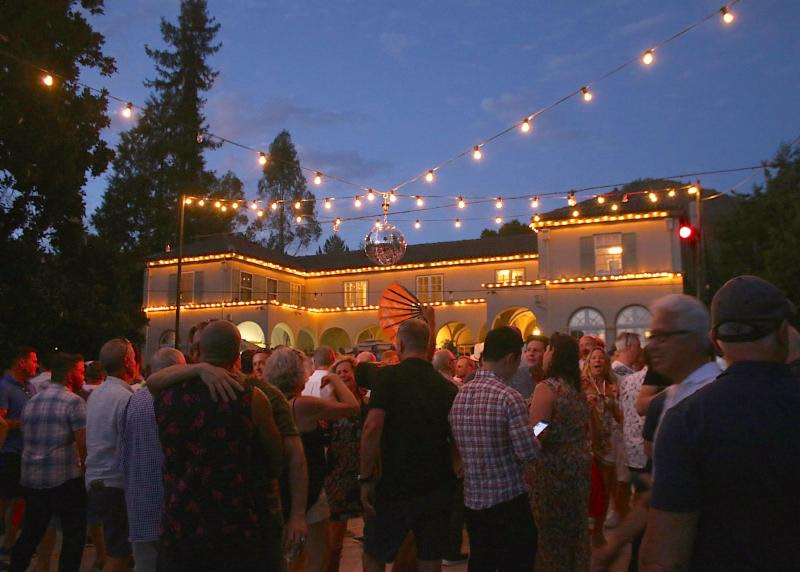
Gay Wine Weekend Happens July 21 – 23

|
|

|
|
|
|
|
|
|
|
|
|
Gay rights groups and activists pressed ahead with the Istanbul Pride parade on Sunday despite Turkish authorities banning the event for a fourth year in a row.
Around 1,000 people gathered near the city’s famous Istiklal Avenue and Taksim Square where organisers had wanted to originally hold the parade.
The activists unfolded a large rainbow flag while a press statement was read out amid heavy security in the area.
But police then warned activists to disperse and used rubber bullets against some who tried to access Istiklal Avenue.
Amnesty International in Turkey later said on Twitter that 11 people had been detained as it called on police to “immediately” release them. The human rights group also said tear gas had been used against some activists.
The Istanbul governorate told the organisers that officials “could not take steps to secure their safety and did not find it appropriate for the Pride Walk to take place”, according to a statement from Istanbul LGBT+ Pride Week on Facebook late on Friday.
The Istanbul governor’s office issued no public statement about the event.
“The governor cited the excuse of security in its decision to ban the march and in one word, this is comical. Our marches went on peacefully without being banned for 13 years,” the organisers said in a press statement on Facebook hours before the march.
“We LGBTI+ (lesbian, gay, bisexual, transgender, intersex) are here with our pride despite all vain attempts to prevent us and we do not recognise this ban,” they added.
“People are not afraid, shopkeepers are not afraid. However, the governorship is afraid, the police are afraid. They think that they can restrain freedom with the barricades they set up and the tear gas,” one activist at the march told AFP.
The annual rally is the most important LGBT event in a Muslim country in the region.
The Ankara governorate on Thursday banned a screening of the 2014 film “Pride” organised by the Communist LGBT group, saying such events could “incite hatred and enmity”.
The governor’s office added that there could be “danger to public safety”.
The capital’s governorate in November issued a ban on LGBT events but gay rights groups said they would take legal action against the order.
Although homosexuality is legal in Turkey, LGBT individuals frequently cite abuse and harassment.
|
|
|
|
|
|
|
|
|
The vice mayor of Dixon, California, is facing calls to step down after he proclaimed July as “Straight Pride American Month.”
Ted Hickman declared July as a month to celebrate heterosexuals in a bizarre article on his personal blog, which was also published in local paper Independent Voice.
His piece prompted recall efforts – a procedure when elected officials can be removed from office following a vote – with the creation of a “Recall Ted Hickman” Facebook page, which currently has more than 700 ‘likes’.
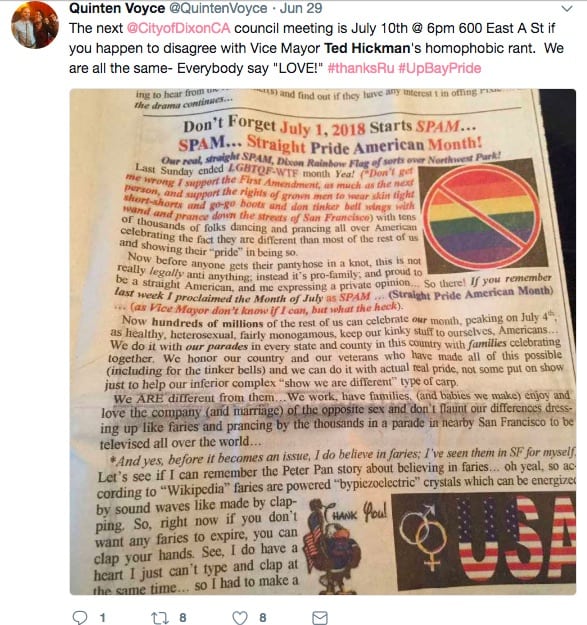
Hickman wrote in his article: “Now before anyone gets their pantyhose in a knot, this is not really legallyanti anything; instead it’s pro-family; and proud to be a straight American, and me expressing a private opinion… So there!”
A clerical error by employees of Social Security was recently uncovered. And it could have huge consequences for tens of thousands of certain recipients. If you’re 50 or over, please read this urgent information right away.
The Californian official added: “Now hundreds of millions of the rest of us can celebrate our month, peaking on July 4, as healthy, heterosexual, fairly monogamous, keep our kinky stuff to ourselves, Americans… We do it with our parades in every state and county in this country with families celebrating together.”
He also described Pride month as “LGBTQF-WTF month,” adding that it was an event that saw “tens of thousands of folks dancing and prancing all over American celebrating the fact they are different than most of the rest of us and showing their “pride” in being so.”
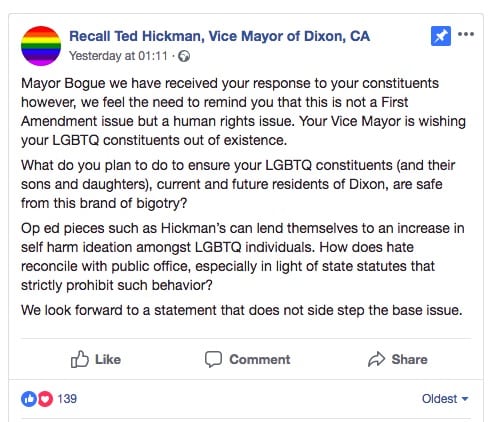
Campaigners are planning a protest at Dixon City Council’s next meeting on July 10, calling for Hickman to stand down.
The Facebook group ‘Recall Ted Hickman’ is urging mayor of Dixon Thom Bogue to respond to Hickman’s article with a statement.
Later in his article, Hickman said: “We honor our country and our veterans who have made all of this possible (including for the tinker bells) and we can do it with actual real pride, not some put on show just to help our inferior complex “show we are different” type of crap. We ARE different from them…We work, have families, (and babies we make) enjoy and love the company (and marriage) of the opposite sex and don’t flaunt our differences dressing up like faries and prancing by the thousands in a parade in nearby San Francisco to be televised all over the world.”
The vice mayor defended his article in an interview with The Sacramento Bee, telling the local paper: “It was tongue-in-cheek and had nothing to do with my elected position [and that] thin-skinned people took offense.”
In a historic and festive celebration, Swaziland held its first-ever LGBT pride parade over the weekend.
Hundreds of people marched down the streets of the capital Mbabane waving rainbow flags and holding signs that read, “Turn hate into love” — a scene almost unimaginable not so long ago.
The small southern African country, recently renamed the Kingdom of eSwatini by its king, is Africa’s last absolute monarchy and has a bleak record on LGBT rights. The country of 1.4 million also has the world’s highest HIV/AIDS rates and suffers from severe poverty.
Saturday’s parade was organized by the Rock of Hope, a local nonprofit, and supported by international LGBT advocacy organizations.
“This is a small country, an absolute monarchy that makes same sex love illegal and is not often on the radar of the international community and media,” said Matt Beard, Executive Director of the advocacy group All Out, in a Medium post. All Out helped fund and promote the parade, which featured well-known Swazi musicians and artists.

“At certain moments during the parade, the infectious joy of this community was so intense, it was difficult to hold back the tears,” Beard added.
The pride parade was also supported by Human Rights Campaign (HRC), the largest LGBT rights group in the United States.
Swaziland was part of HRC’s Global Partnerships in Pride program, which supports LGBT communities abroad and emphasizes international solidarity.
 Marchers in Swaziland’s first-ever pride parade in Mbabane.
In Swaziland, same-sex relationships are illegal and the country maintains a colonial-era law against sodomy. The US State Department’s report on global human rights practices in 2017 stated that Swazi people open about their sexual orientation “faced censure and exclusion from the chiefdom-based patronage system.”
The pride celebration was not endorsed by King Mswati III.
Nonetheless, the parade marks a major milestone for Swaziland’s LGBT community and brings June’s pride month celebrations to a new part of the world.
Saturday’s celebration in Mbabane was held the day before hundreds of people defied a Turkish government ban to take part in a Pride Parade in Istanbul before being dispersed by police.
Anthony Avalos came out as gay in recent weeks, and authorities are now investigating whether homophobia played a role in the death of the 10-year-old Lancaster boy, a county official said.
Anthony was found mortally wounded at his home last week with severe head injuries and cigarette burns covering his body.
Brandon Nichols, deputy director of the Los Angeles County Department of Children and Family Services, revealed in an interview Monday that Anthony “said he liked boys” but declined to provide more details, including whom the boy told and when.
Nichols said the criminal investigation of the deadly abuse is ongoing.
Anthony’s aunt, Maria Barron, said it would have taken great courage for Anthony to have announced he was gay in the home.
Anthony’s mother, Heather Barron, and her boyfriend, Kareem Leiva, have not been charged with any crimes related to Anthony’s death. DCFS has determined that Anthony probably died from child abuse. Neither Leiva or Barron responded to requests for comment.
The aunt said she began alerting DCFS in 2015, when she noticed bruises and other injuries that the children told her were caused by Leiva. She said the children also reported Leiva locking them in small spaces where they had to urinate and defecate on the floor. Leiva was convicted in 2010 of domestic abuse.
For the boy to have come out amid those circumstances “only reinforces how brave Anthony was,” Maria Barron said.
Heather Barron and Leiva were the subject of at least 16 calls since 2013 from school administrators, a teacher, a counselor, family members and others to DCFS and police alleging child abuse, sources told The Times for an article Sunday.
At least 13 of those calls were received by DCFS and specifically mentioned Anthony as the alleged victim, Nichols said.
In an interview, DCFS Director Bobby Cagle confirmed The Times’ report on Sunday that callers said Anthony or his six siblings were denied food and water, sexually abused, beaten and bruised, dangled upside-down from a staircase, forced to crouch for hours, locked in small spaces with no access to the bathroom, forced to fight one another, and forced to eat from the trash.
Los Angeles County sheriff’s deputies responded to a 911 call from his mother about 12:15 p.m. Wednesday and found the boy unresponsive inside his family’s apartment.
Authorities said they were told the boy had “suffered injuries from a fall.” He died at a hospital Thursday morning. County officials removed seven other children from the home as the investigation continued.
Cagle said that despite the years of severe abuse alleged in Anthony’s home, it was “premature” to say that Anthony’s case represented a failure of the child welfare system.
“That’s a very complex question. It’s much more than a black-and-white issue. There are many shades of gray,” Cagle said.
The director promised a deep investigation of any breakdowns and to share any case management errors with the public as they are discovered.
No caseworkers have been placed on desk duty or become the subject of disciplinary action in the case. Nichols said the department will disclose such moves if they occur as the internal review deepens.
“I want to be sure that we are being as fair to them as possible,” Cagle said. “If you are giving up on workers immediately, that only causes more turnover.”
Nichols said that his department’s caseworkers documented years ago that Leiva was allegedly a member of the MS-13 criminal gang, but that information was not classified by the workers as a safety threat necessitating Anthony’s removal from the home, and the department never moved to have him permanently removed.
“Just because someone has some affiliation [with MS-13], in and of itself would not have a conclusive effect,” Nichols said.
The five elected members of the county Board of Supervisors declined interview requests regarding the case.
In a statement, Supervisor Kathryn Barger, who represents Lancaster, said, “Our partners in child protection are collaborating with law enforcement who are conducting a thorough investigation to identify the circumstances surrounding this unspeakable crime.”
Supervisor Hilda Solis issued a statement that said, “We will be taking a very hard look at how this happened, take all corrective actions immediately, and provide strict and diligent oversight to ensure that the reforms we have started are carried out.”
Supervisor Janice Hahn said, “We failed Anthony. I hope to get answers in the coming days as to what went wrong.”
The Supreme Court (SCOTUS) has upheld President Donald Trump’s travel ban, in a landmark decision which has been announced on the third anniversary of the SCOTUS decision to allow same-sex marriage.
The ban is a major victory in the administration’s mission to restrict the number of immigrants and visitors into the United States.
However the ruling marks a distinct change from the same day in 2015, when the Court voted for marriage equality rights. Critics say the latest Court ruling will dangerously impact the LGBT community.
In a 5-4 decision, the judges confirmed the president’s powers over matters of national security.The ban levels a range of restrictions against five majority-Muslim countries – Iran, Libya, Somalia, Syria and Yemen. But there’s also travel restrictions on North Korea and Venezuela.
Human rights defenders have attacked the decision and highlighted how the LGBT community will be impacted by the SCOTUS decision.
In a podcast discussing Trump’s third order of the ban, LeGaL’s (a New York LGBT group of lawyers) Executive Director Eric Lesh said: “Trump’s travel ban is dangerous particularly for members of the LGBTQ community. In addition seven of the eight countries that have been targeted by Trump’s ban, explicitly criminalise homosexual conduct, some of them authorise or even mandate a death penalty for such offences.”
While Human Right’s First’s Shawn Gaylord spoke about the impact of the ban on queer and trans communities, in 2017: “Barring LGBT people from these seven countries creates an additional burden and makes them increasingly under threat to violent acts,” he said.
“LGBT refugees already face heightened risks based on their sexual orientation or gender identity. They are vulnerable to violence during the entire resettlement process and may have additional challenges as they adjust to their new lives after resettlement,” Gaylord added.
Lambda Legal, an American civil rights organisation that focuses on lesbian, gay, bisexual, and transgender communities, also released a statement in reaction to the ban.
CEO Rachel B. Tiven said: “As a queer woman and a Jew, I am outraged and frightened. The LGBT community knows what it’s like to be red meat for a demagogue’s base. Future generations will ask us what we did to object. We stand in solidarity with our Muslim family – straight and gay – and pledge our continued support to fight the ban and the stigma, discrimination, and violence it helps encourage.”
Deputy legal director with the American Civil Liberties Union, Cecillia Wang, tweeted that the decision marked “a dreadful day” for the United States. “But we Americans will fight on to express the will of the people to uphold equality and freedom,” she wrote.
The travel ban’s history began in December 2015, when Trump called for “a total and complete shutdown of Muslims entering the United States until our country’s representatives can figure out what is going on,” during his Presidential campaign.
During his first week in office Trump signed the executive order to ban people from seven Muslim-majority countries. The Supreme Court halted enforcements of most of the ban, until March 2017 when Trump issued a “watered down” second order. The Supreme Court allowed the second order to go into effect in part.
But in September Trump issued a third ban with more changes. After challenges, the Supreme Court allowed this version to go into effect while appeals were heard.
From the Democratic National Committee:
On the 3rd anniversary of Obergefell v. Hodges, the 5th anniversary of U.S. v. Windsor, and the 15th anniversary of Lawrence v. Texas, DNC Chair Tom Perez released the following statement:
“Before the Supreme Court handed down its decision in U.S. v. Windsor five years ago, Edie Windsor said, ‘I think justice will prevail. Is that crazy?’ Because of her indomitable spirit and the activism of millions of LGBTQ Americans, justice did prevail. Love is love. And America is better for it.
“All across the country, LGBTQ Americans and their allies have organized for equal rights and brought our nation closer to fulfilling its promise of equality for all people – no matter who they are or who they love. Today’s anniversaries remind us that while it may not happen overnight, progress is possible. As long as people raise their voices for what’s right, we can bend the arc of the moral universe toward justice.
“But our fight must continue. LGBTQ Americans still face inequality across our society – from bathrooms and boardrooms to bakeries and the ballot box. Every day, Republicans in Congress, the White House, and at the state and local level are trying to turn back the clock on LGBTQ rights. Even though marriage equality is the law of the land, that hasn’t stopped Republicans from trying to demean and delegitimize LGBTQ marriage through discriminatory adoption bills and so-called ‘religious liberty’ laws.
“The Democratic Party stands with LGBTQ communities in America and around the world. We believe that no one should face discrimination, bullying, or violence because of who they are or who they love. That’s why we’re working to enact legislation like the Equality Act to protect LGBTQ Americans. We believe in the values of inclusion and opportunity for all, and we will never stop fighting for the equality every human being deserves.”
“The march toward LGBTQ equality has been long and hard-fought — and it’s far from over. But some days, we’re reminded of just how far we’ve come. June 26th is one of those days.”
In the U.S., many hospitals either are not equipped for proper care for transgender patients or they do not address and handle them with respect and proper pronouns, which can make the already difficult experience of seeking healthcare and dealing with health concerns even more trying. With this in mind, Cedars-Sinai recently announced that they will provide transgender primary care in both Beverly Hills and Culver City.
Transgender care programs at Cedars-Sinai have expanded from being one of only two academic medical centers in the Western U.S. that offer gender-affirmation genital surgery to now include quality medical care for all aspects of their health. The hospital’s gender-affirmation surgery allowed many people who were refused care and coverage by physicians and insurance companies access to transition. For years, gender-affirmation surgery was limited to private clinics, which did not accept many medical insurance options. Now Cedars-Sinai has taken another step forward from providing some of the best care in gender-affirming surgery needs to include a more comprehensive set of programs for transgender patients.
According to a 2017 National Public Radio survey, 31 percent of transgender people in the U.S. say they have no regular doctor or form of healthcare, and that the fear of discrimination plays a major role in that.
“It is such a privilege to take care of the transgender community, which historically has had poor access to care,” said Carl A. Violano, MD, one of Cedars-Sinai primary care physicians with years of expertise in the field of transgender healthcare. “I feel a deep sense of responsibility to provide excellent care to our transgender patients.”
The medical center introduced a new interdisciplinary, research-based Transgender Surgery and Health Program headed by a leader in the field to ensure the team of specialist aid patients through every step in their journeys. Some of these comprehensive healthcare programs include vocal cord and speech therapy, HIV care, hormone management, fertility preservation and mental health services.
“It’s important to recognize that not all LGBTQ community members have access to quality medical care. We’re striving to meet a critical need,” said Mary Clare Lingel, vice president of Strategic Integration at Cedars-Sinai Medical Network.
The transgender community can now celebrate a more joyful Pride Month knowing hospitals like Cedars-Sinai are working to make the best care available.
Del Shores has written, directed and produced successfully across studio and independent film, network and cable television and regional and national touring theatre.
Shores’ career took off with the play “Daddy’s Dyin’ (Who’s Got The Will?”) in 1987, which ran two years, winning many Los Angeles theatre awards, including LA Weekly’s Best Production and Best Writing. A movie version of Daddy’s Dyin’ was released in 1990 by MGM starring Beau Bridges, Tess Harper, Keith Carradine and Beverly D’Angelo. Shores wrote the screenplay and executive produced the film.
“Sordid Lives,” his fourth play, opened in Los Angeles in 1996 and ran 13 sold-out months. The play went on to win 14 Drama-Logue Theatre Awards, including three for Shores for wring, directing and producing. There have since been over 300 additional stage productions of the play.
In 1999, Shores wrote and directed the film version of “Sordid Lives” starring Beau Bridges, Delta Burke, Olivia Newton-John, and Leslie Jordan along with most of the cast from the play. Opening in only eight theatres across the country, the little film that could took in nearly two million dollars in its limited release. The movie became a cult phenomenon and became the longest running film in the history of Palm Springs with a record ninety-six weeks.
Del will bring his new one-man show “Six Characters In Search Of A Play” to the Rotary Stage in Sonoma, Sunday July 22. Shores is inspired by Pirandello’s classic play to bring you six characters inspired by his real-life encounters that haven’t quite made it into one of Shores’ plays, films or TV shows. The show is directed by Emerson Collins.
Get tickets here: https://tickets.vendini.com/ticket-software.html?t=tix&e=79ae9d4e6d8720948502afa1dc005282&vqitq=c3e253b3-bbce-4930-aa4a-a76314f6c99c&vqitp=d3a9f389-9295-4630-9912-60941f99c00a&vqitts=1525383739&vqitc=vendini&vqite=itl&vqitrt=Safetynet&vqith=935717f98892906d362cf67dc1fc1ee4.
Gaysonoma’s Gary Carnivele interviewed Del about his life, work, a wacky, beloved characters.
Gaysonoma: When did you first become interested in theatre and film and when did you decide to pursue a career in the arts?
Del Shores: My mother was a high school drama teacher, so as a child, I grew up in the theatre. It was home. My mother’s passion became mine. I was the ‘star’ in all the school plays. I was also obsessed with television and film as a kid. When I went to Baylor University, I decided to not major in drama, but instead got a degree in journalism and Spanish. But my senior year of college, I visited my friend Beth Blackstock in Malibu. She was in grad school at Pepperdine. Well, that trip changed the game plan. I decided to move to LA after college to pursue acting. I am an actor at heart and the writing and directing came as an extension of that. I wrote my first play “Cheatin’” so I could be in it. My second play came out of “I have another story to tell” but there was no role for me in “Daddy’s Dyin’ (Who’s Got The Will?)” That play was a huge hit in LA, got me an agent, a TV writing deal at Warner Brothers and a movie was made of the play. My path changed. “Six Characters In Search Of A Play” brings me full circle, back on stage — as an actor. This feels right for this time in my life.
GS: Talk about your formal education and how you developed you playwriting skills?
DS: I never studied playwriting formally. Or screenwriting. Or television writing. I learned by reading plays, watching film and television. I’m self-taught. Again, my mother was the big influence, paying my brother and me to read. We’d get $1.00 for every play or book we read. Pretty soon she couldn’t afford my obsession. I was reading a play or book a day. I recently taught playwriting at Northwestern State University. My students were required to read and report on three plays — then write a short play or part of a full-length play. It was amazing how much they learned — and I learned — by simply reading plays. Whenever someone asks me where to study playwriting, I tell them to read a play a day until they feel ready to write. Start with Williams, Albee, O’Neil, Hellman and Miller.
GS: Who inspired you?
DS: My mother Loraine Shores, first and foremost. The list of playwrights I gave in the last answer, especially Tennessee Williams. Preston Jones, a Texas playwright was a huge influence. Other favorite writers: Horton Foote, Beth Henley, August Wilson, Terrance McNally. I’m also inspired by heroes and activists such as Harvey Milk, Martin Luther King, Dan Savage, Barney Frank.
GS: Your career took off with “Daddy’s Dyin’ (Who’s Got the Will?)” in 1987. What was it like to experience such success?
DS: It was a crazy time. One moment I’m this actor, making about 40K a year, mainly with voice-over work, then my play opens to these crazy reviews, the LA Times calls me a new voice in theatre, Warner Brothers signs me to an overall deal, in a bidding war with Sony and 20th Century Fox, and Propaganda Films and MGM made the film version of “Daddy’s Dyin’” — and my income is over ten times what it was the previous year. I was flying high, a bit overwhelmed, but adjusting to a new life as a writer, the new kid in town. It was pretty amazing.
GS: How did it feel when Hollywood came courting?
DS: It was complicated. I loved the opportunities, the money — but I really had to adjust to how Hollywood wants to control your creativity. I was used to being in control of my work in the theatre, then suddenly I was getting “notes” on my work. I wasn’t expecting that, not prepared. Gary David Goldberg (creator of “Family Ties”) was the first person to ever hire me in TV and gave me the best advice, that I still subscribe to. He told me that television was a collaborative medium and for me to always return to the theatre to reclaim my own voice. I’ve added independent films to that advice. He also told me to keep one of my plays on my desk at all times to remind me that I am a playwright. Best advice I ever got.
GS: You wrote the screenplay for the film, which starred Tess Harper, Keith Caradine, and Beverly D’Angelo, as well as executive produced. Talk about the process of turning your award-winning play into a script.
DS: The adaptation of that play came easily for me. I actually wrote the screenplay while the play was running and the screenplay was optioned by Propaganda, then MGM came on board. I had the luxury of having the play on stage, a huge hit. My manager also represented Sissy Spacek, so she invited Sissy and her husband Jack Fisk to the play. Jack wanted to direct the film version, had a deal with Propaganda, so when he expressed interest, I said — “Oh, I already have the screenplay”. It was so fast. He took the movie to them, they said yes. My manager had also invited John Goldwyn (MGM) so she “married” Propaganda and MGM and bam, we had a greenlight. I was suddenly meeting with Tess, Beverly, Keith, Judge and Beau. It was my first film and my only studio film. They shot the film as written, I was on the set while shooting and it was a whole new world for me.
GS: Your fourth play was “Sordid Lives.” How did you come to write a play that featured gay and lesbian characters?
DS: I came out after a nine year marriage and two amazing children. All that Baptist damage! I couldn’t hide this deep secret anymore and with my career just sailing, I was hurting deeply inside, in so much turmoil. Finally, after a lot of therapy, I claimed my true self and “Sordid Lives” was my coming out play. It was the first time I was completely free to write uncensored. I told my story (“Ty” was me, “Latrelle” was my mom) and the rest of the play unfolded from my twisted mind. That play truly was a gift to myself, allowing me to really feel love for myself and acceptance for that part of me I had hated. The laughter, the applause, the tears, the standing ovations each night showed me that I was loved, just as I am, as I was created.
GS: Are there actual folks on whom the characters are based?
DS: Besides “Ty” and “Latrelle”, my real Aunt Sissy was a huge inspiration for me. I talk about that in “Six Characters” and also the huge influence my mother had on the character of “Latrelle”.
GS: How did you come to write and direct the screen version of “Sordid Lives?”
DS: Beau Bridges had a lot to do with that. We had remained friends after “Daddy’s Dyin’” and he brought his entire family, including Lloyd, Jeff, his mom, Wendy, his wife, and some of his kids to see “Sordid Lives.” After the play, he said, “Del, this is a movie. And when you make it, I want to wear that black bra.” The wheels started spinning, I adapted the play easily and my producing partner Sharyn Lane and I called every rich friend we had, asking them to invest. We made that little movie for about 500K. It was another life changer.
GS: Any interesting stories you care to share about working with such a stellar cast that included Delta Burke, Olivia Newton-John and Leslie Jordan?
DS: We truly do not have time, I have so many. That trio is wonderful and I have also been so blessed to work with so many amazing actors, legends. Let’s not forget Rue McClanahan was “Peggy” in the series and Whoopi Goldberg was in “Sordid Wedding.” Leslie, of course, I’ve worked with since 1985. I wrote “Brother Boy” for him. My favorite Leslie Jordan story is the one about closing night of the play “Sordid Lives”, when I asked Rosemary Alexander (“Dr. Eve”) to not wear panties. She complied and when she got to that iconic scene where she she spread her legs and Brother Boy said, “Dr. Eve, you don’t have on any panties!” Well before he got that line completely out, he screamed and was barely able to recover to utter the “enchilada” line. After the show, he said, “Delferd, that’s the meanest thing you’ve ever done to me. I haven’t seen one in YEARS! It looked like an angry animal. I swear to God, it snarled at me.”
GS: Were you prepared for the huge success of the film and its lengthy run in Palm Springs?
DS: Not at all. It was shocking the first time we all went down to celebrate the long run — I think it was the year anniversary. People were dressed like the characters, shouting out the lines, wearing lug nuts and rubber bands, they popped right along with “Sissy” on screen.
GS: Did you approach Logo TV about you producing the prequel episodes on “Sordid Lives: The Series?”
DS: I did. I took it to Dave Mace, who was the executive in charge of programming. He said yes, then after a long process (over 2 years) of getting producers and all the financing, we shot the series.
GS: What was it like imagining the backstories of your beloved characters and fleshing it out in a 12-episode series?
DS: It was amazing returning to the characters. Easy, really to write for them. The creative part was amazing. I could have done that series for many, many years, but unfortunately, a greedy producer decided to not pay us our residuals, lawsuits happened that ultimately killed the series. Here was my lesson — never work with assholes! And please don’t interpret that as a Logo bash. It’s not. They were not the producers, they were the network and supported the series. They ordered a second season that fell apart because of the greed of the producer and his company that owned the show.
GS: Then came: “A Very Sordid Wedding.” Did you feel this was a way to say ‘goodbye’ to the characters you created and tie up loose ends?
DS: Yes, and it was very healing after the horrible demise of the series. I realized I was NOT mad at “Sordid Lives”, I was angry at the producer who stole from us and ultimately destroyed our show. With the help of Emerson Collins, my producing partner, and my delicious cast and crew, we made what I feel is my best film.
GS: Talk about the creation of you one-man show “Six Characters In Search of A Play.”
DS: I was on the road promoting the screenings of “A Very Sordid Wedding” with Emerson Collins and some of the cast. In my hotel rooms, I wrote this play. I was talking to Ann Walker (“LaVonda”) one day, telling her about my Aunt Bobbie Sue and a visit back to Winters, Tx for my Aunt Sissy’s memorial service. She was howling and said, “Oh honey, you have to tell that on stage.” My mind started whirling and the play just poured out of me. The concept — these are six people I have met, who have inspired me, but have not yet made it into one of my plays, films or TV shows.
GS: Did you always know that you would perform the show?
DS: Me as opposed to casting an actor to perform it? Oh yes, it was always intended for me. I’m one of the main characters, so an actor would have to play “Del Shores”/Writer. Frankly, that could happen in the future, but for now, I’m very right for the role and love doing the play.
GS: We’re thrilled you’re bringing the show to Sonoma. Talk about what will make this an amazing evening of theatre.
DS: Well, lots of gays will be there for Out In The Vineyard — so I know the material will work! I’m excited to play that beautiful theatre — The Rotary Stage in Andrews Hall for Sonoma Community Center. With this show, I believe we all need some laughs these days — and there may be a few tears as well.
GS: Will you be able to enjoy some quality time here, before moving on to the next date?
DS: I’m coming in on Friday and leaving on Monday, so yes, I’m there for the weekend! Very excited. I love my job where I get to visit amazing places and events as well.
GS: Are you working on something new?
DS: I am. I have a new play I’m finishing right now called “This Side Of Crazy” and I also have a TV series in development that once again celebrates small town Americana with a whole new slate of characters.