Opening this month: Directory of Dreams: Bay Area Lesbian Economies and Radical Care, 1970–1995. This new exhibition, curated and co-presented by the Bay Area Lesbian Archives (BALA), traces the everyday efforts of Bay Area lesbians who refused erasure and built community networks rooted in care, solidarity, and economic self-determination.
From women-run cafés and bookstores to credit unions and service businesses, these were more than small enterprises — they became networks of mutual aid sustaining entire communities.
Grassroots tools made these worlds visible to one another: self-published directories, maps, flyers, menus, and ephemera connecting people to jobs, housing, political spaces, and affirming services, in a society that often denied them all.
Directory of Dreams invites visitors to reflect on how these networks of radical care shaped lesbian life in the Bay Area — and what it means to build and sustain shared systems of care today.
San Francisco is an aging city. According to the California Department of Finance, by 2030, nearly one-third of the city will be populated by people 60 and older. That’s more than the state average. The lack of housing continues to be an issue. One group in particular faces challenges when it comes to affordable housing.
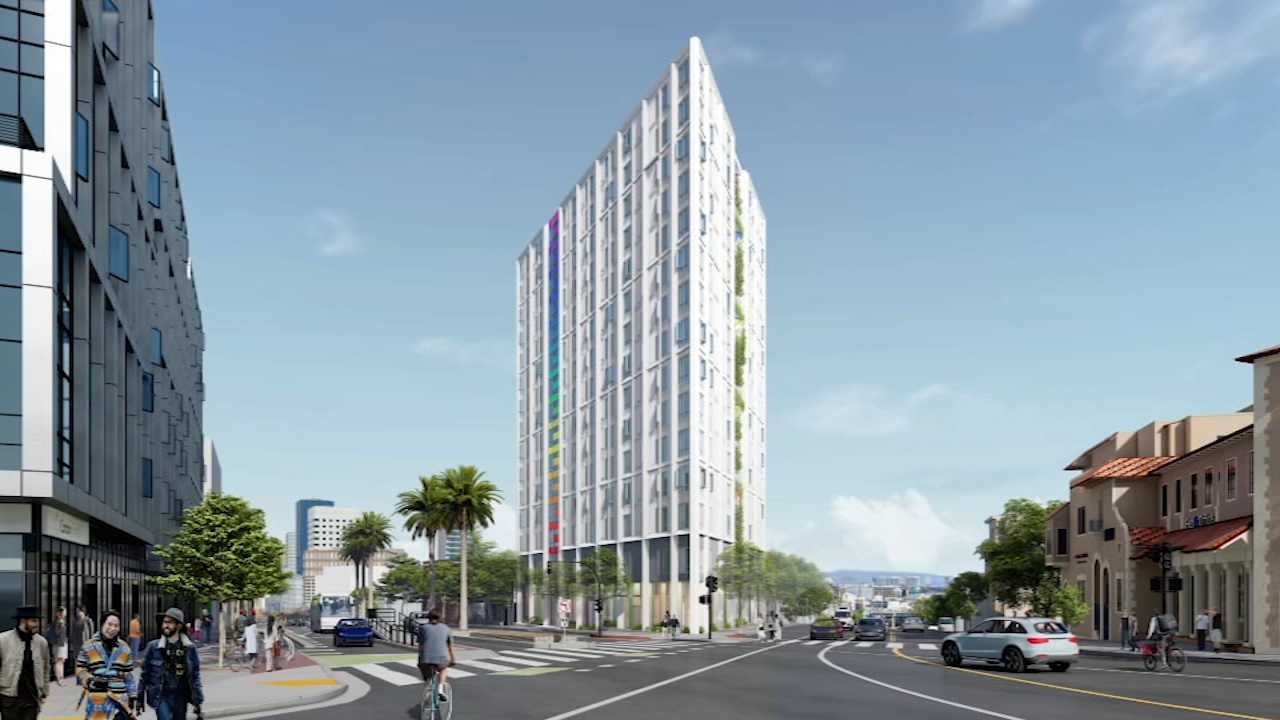
But in just a few years, a drenched empty lot on Market Street will be transformed into a 15-story residential building for seniors in San Francisco.
“As folks age, incomes become restricted, the cost of living rises and so the need for affordable housing becomes even greater,” explained Dani Soto, Deputy Director of Openhouse, a nonprofit serving LGBTQ+ seniors.
Because San Francisco looks after its LGBTQ+ people, the building will be marketed primarily to that community and to some veterans.
Mercy Housing will develop the property offering 187 studios and one-bedroom apartments with funding coming from the state and the city–all affordable housing.
“For seniors age 62 plus, and the income will be restricted for very low income to extremely low income, so that means that folks can be making approximately $16,000 up to $92,000 a year,” outlined Sean Wils, Senior Project Manager of Mercy Housing.
Across the street, the building at 1939 Market Street will offer services and programs run by Openhouse in San Francisco.
The architect Paulett Taggart highlighted the importance of its location.
“The building is located here at the corner of Duboce and Market and obviously one of the reasons for this location is that it is located near a lot of the other LGBTQ facilities including the other one run by Openhouse, who are the service providers here just up Laguna Street,” said Taggart.
According to one of the architects, the new building was designed with open spaces in mind to invite seniors to engage with one another.
“Seniors have an increase sense of isolation especially if they are no longer working, they have family and friends who are starting to pass away and so intentionally designing spaces that can help them make connection with their neighbors,” said Roselie Enriquez Ledda,
Julie Strobel works with LGBTQ+ seniors at OpenHouse.
“One of the things that we really work against is the prevention of isolation that we have or that we experience in our community. We also have support groups, a men’s support group, a woman’s support group. We have groups for long-term survivors of HIV,” said Strobel, who is a volunteer engagement specialist.
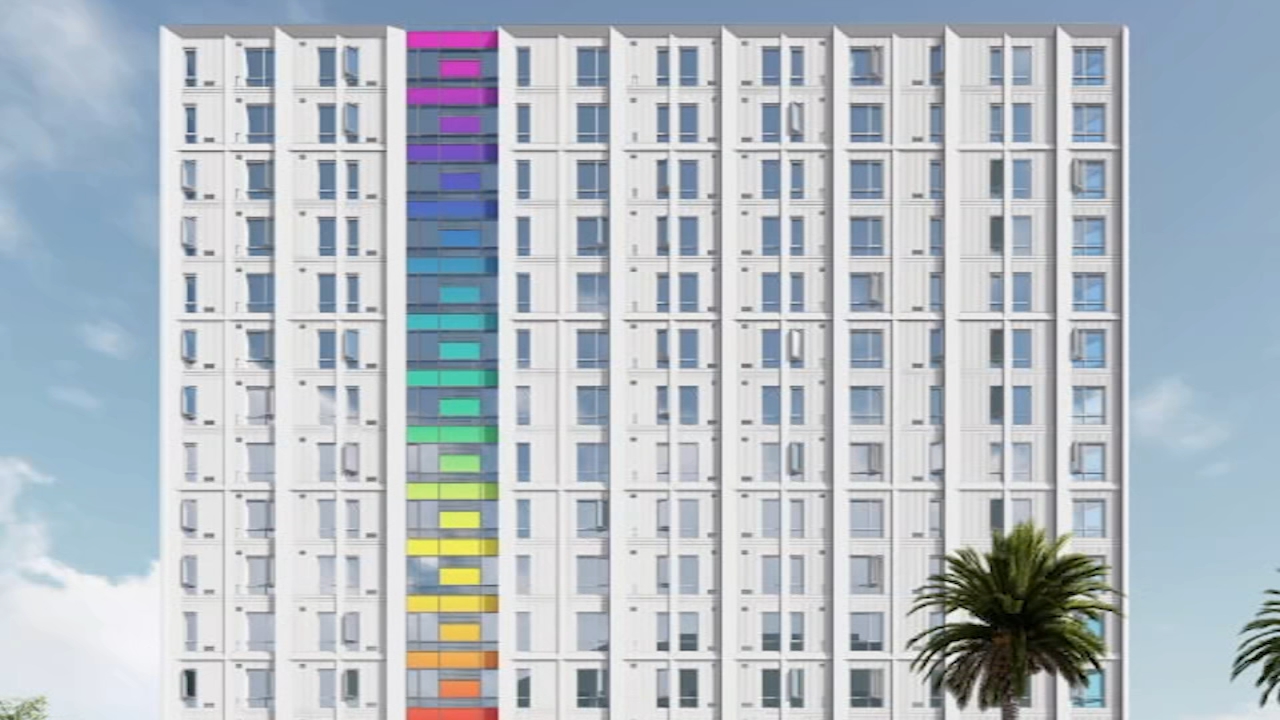
The design has rainbow colors on both sides of the building, it’s what the community wanted to broadcast to the rest of the city that, “We are here.”
Thursday, December 11 | 6:00pm GLBT Historical Society Musuem
Over a century ago, Dr. Magnus Hirschfeld — the “Einstein of Sex” — revolutionized how we understand gender and sexuality. Nearly 100 years after the Nazis burned his books and destroyed his institute, his vision of fluid, expansive identity remains powerfully relevant.
Join the GLBT Historical Society for an Author Talk & Book Signing with journalist Daniel Brook, inconversation with historian and Society founding member Gerard Koskovich. Brook will share new insights from Hirschfeld’s 1931 Bay Area visit, including his tour of San Quentin and his advocacy for Black transgender inmates targeted by discriminatory laws.
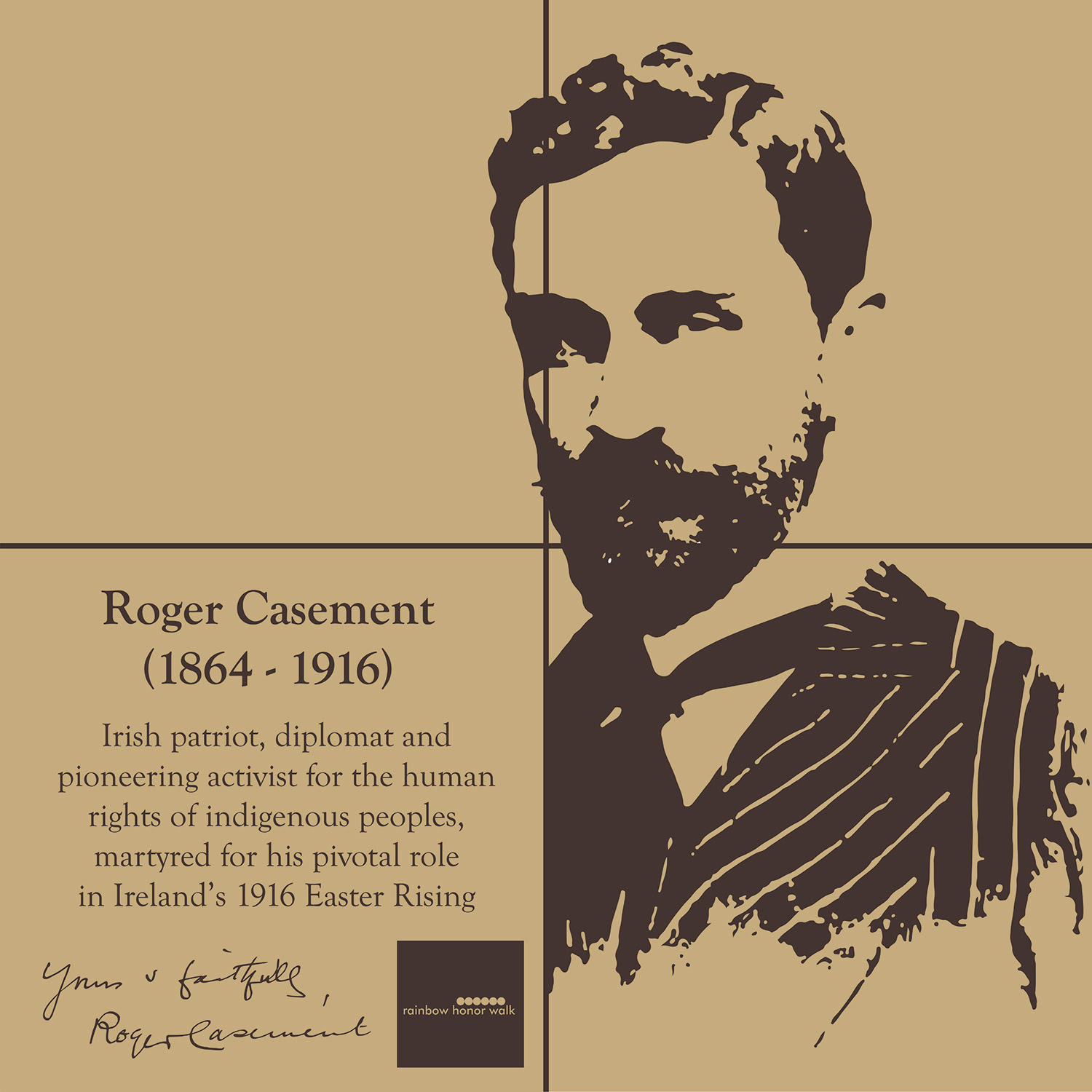
The Consulate General of Irelandand the Rainbow Honor Walk (www.rainbowhonorwalk.org) will commemorate the life and legacy of Roger Casement — Irish patriot, humanitarian, and LGBTQ+ trailblazer — with a bronze plaque installed on San Francisco’s world famous “Gay Main Street.” The plaque will be unveiled at 4pm on Tuesday, October 28, in the Bank of America Plaza at 501 Castro Street, joining 44 other permanent tributes to notable LGBTQ+ individuals who have shaped world history and culture.
“We are gratified to work with the Rainbow Honor Walk and the United Irish Societies to celebrate the life of Roger Casement, an Irish patriot and peerless human rights campaigner,” said Micheál Smith, Consul General of Ireland to the Western United States. “He stood up for the oppressed across continents and ultimately for the freedom of his own country. He was a gay man, whose truth when spoken in his lifetime was used against him. His memory today reminds us that the cause of equality and human dignity is universal and enduring”.
The ceremony will feature remarks from Neale Richmond, TD, Ireland’s Minister of State for International Development and Diaspora, Consul General Smith and members of the Rainbow Honor Walk Board. Representatives from Tourism Ireland, the United Irish Societies and community leaders will also attend.
“Never has it been more important than now to celebrate our LGBTQ heroes and heroines,” said Donna Sachet, President of the all-volunteer nonprofit Rainbow Honor Walk. “We are so honored and gratified that the Irish Consulate here in San Francisco is helping us lift up one such hero, Roger Casement.”
“The support we’ve received from the entire Irish and Irish American community has been extraordinary,” said Charlotte Ruffner, Vice President, Rainbow Honor Walk, noting the contributions of local Irish contractors to the effort. “Joe Whyte of LVI Engineering, and Mark Gorman of Gorman Pipeline, Inc., — Grand Marshal of San Francisco’s 2025 St. Patrick’s Day Parade — have each donated their professional installation services. We couldn’t have done it without them.”
“The United Irish Societies of San Francisco are thrilled to have taken part in this Casement plaque installation- it is truly an honor to help commemorate such an important figure,” said Hilda Kissane, President, United Irish Societies. “ I am looking forward to seeing the plaque in place, and feel immense pride and excitement for how it will inspire others.”
Founder of the Rainbow Honor Walk, David Eugene Perry, also expressed his gratitude.
“30 years ago, my idea for paying tribute to our LGBTQ history has now, literally, spread across the ocean,” said Perry, who along with his husband, Alfredo Casuso, helped initiate the “Rainbow Cities” exchange between Cork, Ireland and San Francisco. “I couldn’t be prouder that the rainbow torch has now been passed to a new generation of Honor Walk leadership.”
About Roger Casement (1864–1916): A diplomat turned activist, Roger Casement remains one of Ireland’s most complex and inspiring historical figures — a man of profound moral conviction and compassion. After joining the British Foreign Ministry in 1901 and serving as Consul at Boma in the Congo, Casement investigated and exposed human rights abuses under King Leopold II’s brutal regime. His groundbreaking “Casement Report” (1904) helped end a 23-year reign of terror in the so-called “Congo Free State,” forcing international reform.
Casement later turned his moral courage toward his homeland, becoming a fervent supporter of Irish independence. Arrested for his role in the Easter Rising of 1916, he was executed in London that same year. Only decades later did the world begin to acknowledge the injustice done to him — not only as a revolutionary, but as a gay man persecuted for his truth and identity.
About the Rainbow Honor Walk: The Rainbow Honor Walk is a nonprofit organization that celebrates LGBTQ+ pioneers and trailblazers with bronze sidewalk plaques in San Francisco’s Castro District. Each plaque honors a historic figure who made a significant impact on history, culture, and civil rights. For more information, visit www.rainbowhonorwalk.org.
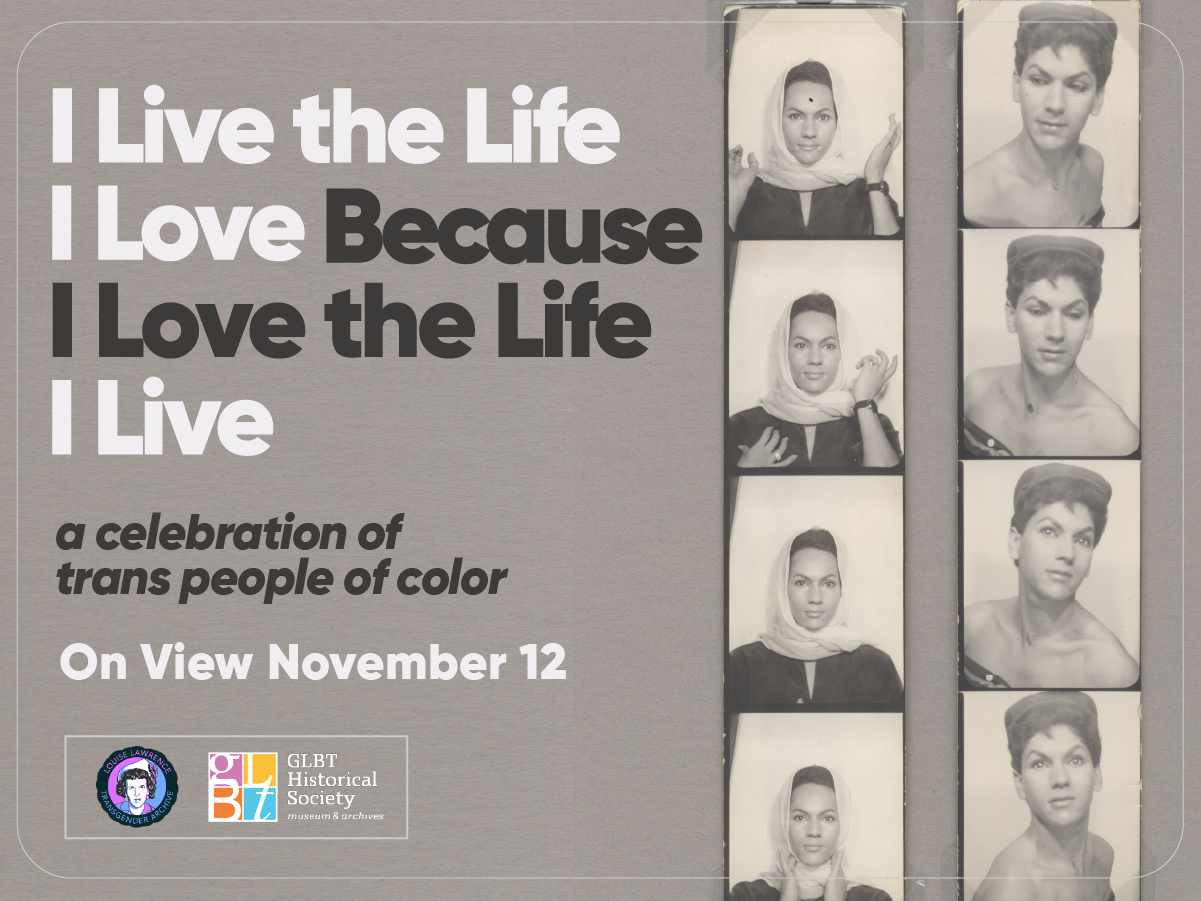
Opening next month, and co-presented with the Louise Lawrence Transgender Archive, this exhibition celebrates Black, Latinx, Asian, and Pacific Islander trans and gender nonconforming people who lived authentically despite racism, homophobia, transphobia, and class prejudice.
The exhibition highlights both performance and everyday expressions of identity, with works ranging from studio portraits of gender impersonators at Finocchio’s and the touring Jewel Box Revue to activist materials and self-portraits. Featured figures include trailblazing performer Stormé DeLarverie, beloved activist Miss Major Griffin-Gracy, Cuban-born Finocchio’s star David de Alba, artist and writer Red Jordan Arobateau, and many more.
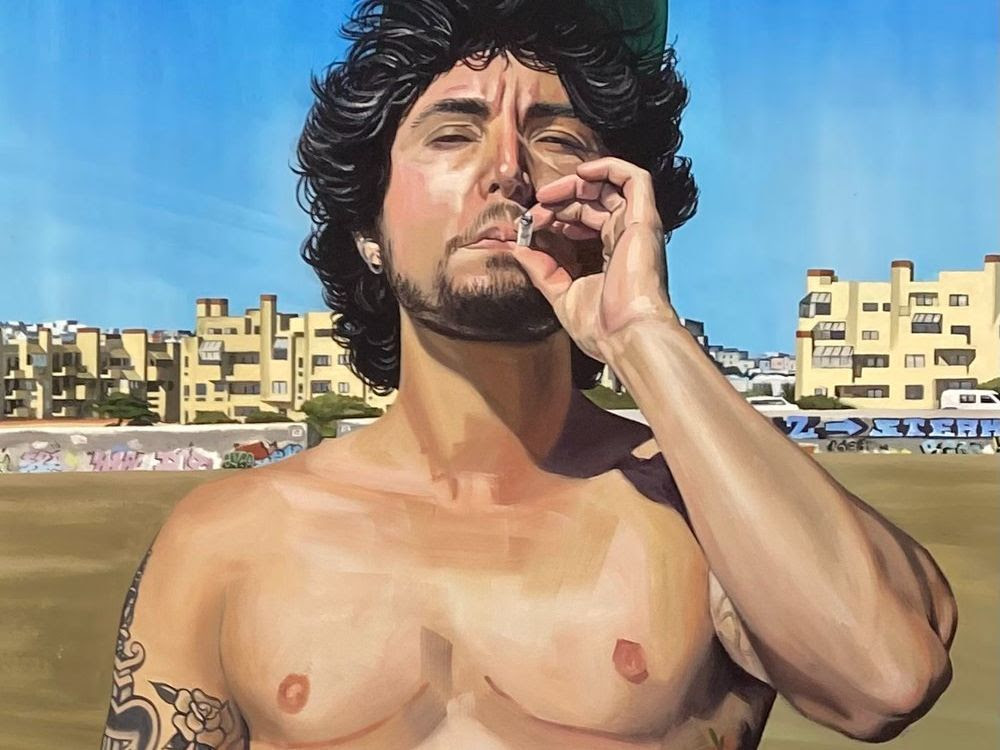
Opening May 15 at the GLBT Historical Society Museum, Éamon McGivern’s A/History presents new paintings by San Francisco-based artist Éamon McGivern.
Rooted in a philosophy of portraiture that embraces empathy as a creative act, A/History draws from McGivern’s personal memory and research in the GLBT Historical Society archives. The resulting portraits reflect on the lives and legacies of queer and trans elders whose absence—from political violence, transphobia, and the HIV/AIDS epidemic—continues to shape contemporary life. Through painterly interpretation and archival reference, the exhibition invites reflection on memory, representation, and the multifaceted nature of human identity.
Come experience this powerful new work at the intersection of art, memory, and community.
Regular hours are Tuesday – Sunday, 11am-5pm. Visit hereto view upcoming special hours and closures in preparation for exhibition.
The GLBT Historical Society Museum is located in the heart of San Francisco’s Castro District.
Self-Portrait at Ocean Beach, Oil on Canvas, by Éamon McGivern. 2022.
ABOUT THE ARTIST
Éamon McGivern is an artist from San Francisco who has spent the past seven years in the Bay Area painting portraits of queers, punks, and poets. More recently, he has been delving into the archives of 20th-century LGBTQ history, picking up strands from holes in the historical narratives in attempts to darn the tears between the past and present wrought by political oppression, transphobia, and the HIV/AIDS epidemic. His work feels into the sorrow born from the absence of the queer and trans people who would have been the teachers, mentors, parents, and grandparents of his generation—and the effect their deaths have on contemporary life.
During this milestone year marking the 40th anniversary of theGLBT Historical Society, it’s important to reflect on our past, present and future.
It was on March 16, 1985, when more than 60 people gathered at the San Francisco Public Library, answering a call from Eric Garber, Jim Gordon, Terry Henderling, Ellen Klages, Greg Pennington, and Willie Walker who built on smaller gatherings that had started the previous fall and included members of the San Francisco Lesbian and Gay History Project and the San Francisco Gay and Lesbian Periodical Archives. They weren’t gathering that day just to build an archive; they were making a bold declaration: LGBTQ+ history matters. At a time when our community faced disease, death, and discrimination, what they created would ensure that LGBTQ+ stories are remembered, protected, and made accessible to the public. That year was a turning point for the LGBTQ+ community — one of heartbreak, urgency, and resistance. The AIDS crisis was devastating lives, yet President Reagan still refused to acknowledge it publicly. That silence was met with a roar from activists from coast to coast demanding action from government. Against this backdrop, our founders understood something profound: history is survival. To preserve our past was to fight for our future.
Four decades later, what started as a grassroots effort has grown into an internationally recognized institution. The GLBT Historical Society now safeguards over 1,000 collections in our archives. In a typical year, an average of 20,000 people visit the country’s first museum of LGBTQ+ history and culture, and we have secured a permanent home in the Castro!
The past few months have demonstrated that our work is far from over. History isn’t just about the past, it’s about the future we fight for today. That’s why the GLBT Historical Society has joined the lawsuit against the Trump Administration to protect our rights and to ensure another president doesn’t erase our stories. More on that effort can be found below.
It’s important work and, as we mark 40 years, we invite you to be part of our mission and legacy. Visit the museum, explore our history online and in the archives, or simply make a donation. Every action helps ensure that LGBTQ+ history is protected, shared, and celebrated for generations to come.
A San Francisco address that was once the site of a pre-Stonewall transgender uprising has been added to the National Register of Historic Places, the official list of historic sites, buildings, and objects in the United States.
The National Park Service added the building at 101-102 Taylor St. in San Francisco’s Tenderloin neighborhood to its official list of historic U.S. places worthy of preservation on January 27, without any public statement or press release, The Bay Area Reporter first reported.
The address was the location of Compton’s Cafeteria in the 1960s. One night in August 1966, a riot broke out at the 24-hour eatery between its trans and queer patrons and police officers after a drag queen threw a cup of coffee at a cop who was trying to arrest her. The café’s windows were shattered and a police car destroyed amid the protest against police harassment, according to The San Francisco Chronicle.
The site is likely the first landmark to be registered specifically for its connection to the history of the transgender community, trans scholar and historian Susan Stryker, whose 2005 documentary Screaming Queen details the riot, told The Bay Area Reporter.
“There is Stonewall and sites connected to individual people like Pauli Murray, who was nonbinary,” Stryker noted. “But this is the first thing put on the register specifically because of its connection to the history of the transgender movement.”
Madison Levesque, an architectural historian with the Washington State Department of Archaeology and Historic Preservation, first submitted a request for the site to be added to the national registry in 2022 as part of their master’s thesis in public history.
“Today, the Compton’s Cafeteria riot is remembered as a turning point towards militant resistance in the LGBTQ, and particularly transgender, community,” Levesque wrote in their 2022 application. “The property is significant at the national level because of its influence on the future political and social representation of transgender and gender-variant people within the United States.”
Stryker, whose work informed Levesque’s initial application and a revised version submitted late last year, credited Levesque with making the registration happen.
Historian and historic preservation planner Shayne Watson said that the news was “something to celebrate” amid the Trump administration’s ongoing attacks on transgender rights. In just his first two weeks in office, President Donald Trump has signed a flurry of executive orders intended to further marginalize transgender Americans.
Earlier this week, the National Parks Service removed the letters T and Q from the “LGBTQ+” initials on its website for New York City’s Stonewall National Monument, effectively erasing trans, queer, and gender-nonconforming people’s leading role in the 1969 uprising that is widely recognized as the beginning of the modern LGBTQ+ rights movement. The move appears to be an effort to comply with Trump’s executive orders prohibiting any federal recognition of trans people in any aspect of civic life.
A new lesbian bar is set to make history as the “first” to launch in San Francisco’s Castro District in “decades”.
Sara Yergovich and Danielle Thoe, two queer business partners and friends, have signed a lease to launch the new women’s sports bar called Rikki’s. According to local outlet The Bay Area Reporter, the upcoming venue is believed to be the first new lesbian-themed bar to launch in The Castro in decades.
Named after the LGBTQ+ activist Rikki Streicher, the bar is set to take over the former venue of the Mexican restaurant Copas, which closed down in 2024.
The venue is set to be the “first” lesbian bar to launch in the area in “decades”. (wefunder.com/rikkisbarsf)
The business partners met via the non-profit LGBTQ+ organisation San Francisco Spikes, where they reflected on the difficulty of trying to find a venue in the city which streams women’s sports.
Co-owner Thoe told the outlet: “The origin was us trying to watch sports together at bars with friends and having trouble with traditional sports bars not wanting to put women’s sports on or not having the right streaming services or channels.
“Women’s sports are growing very rapidly, and I want to watch the sports,” Thoe explained.
Sara Yergovich and Danielle Thoe are behind the upcoming business. (wefunder.com/rikkisbarsf)
Located on Market Street, Rikki’s is just a stone’s throw from fellow gay-owned sports bar Hi-Tops. Hi-Tops has been in business since December 2012, with partners Matt Kajiwara and Dana Gleim making history after launching the “first-ever” queer sports venue in the Castro.
A much-needed affordable housing project for LGBTQ+ seniors in San Francisco’s Castro District has hit a setback, as state agency funding was denied, even though the proposal was described as “a great project,”The Bay Area Reporter wrote.
Mercy Housing California, a senior living facility for elderly LGBTQ+ people, had applied for nearly $39 million from the Affordable Housing and Sustainable Communities (AHSC) Program, a joint initiative by California’s Department of Housing and Community Development and the Strategic Growth Council. The funds would have funded a 187-unit affordable housing development in the Castro, the city’s historically gay neighborhood.
Amar Cid, deputy director of Community Investments and Planning, said the project had limited funds and much competition, with other applicants scoring higher.
“Round 8 of the AHSC program had many transformative, impactful community projects. Like every round, total project requests far exceeded the available funds. This year, requests were more than double what we could grant. It was a highly competitive process,” he told The Bay Area Reporter.
Cid emphasized that the rejection doesn’t mean the project isn’t valuable.
“The team met with the 1939 Market Street project team in mid-September to discuss ways to increase their score if they choose to apply in a future round,” he said, emphasizing that he told its organizers to apply again in the future. ”
“[It’s] a great project … [and] we hope they consider applying in a future round,” he said.
“Why some projects may have been awarded with a lower score than the 1939 Project has to do with other projects perhaps meeting specific [disadvantaged communities] and/or program priorities,” Cid said.
The affordable housing developer is partnering with Openhouse, a San Francisco nonprofit that provides services for LGBTQ+ seniors, to create their third building of below-market-rate apartments, primarily for LGBTQ+ seniors. Previously, the two organizations collaborated on 119 units of affordable, LGBTQ+-friendly senior housing spread across two buildings located at 55 and 95 Laguna Street — both are near the Castro District.
The push for affordable housing in the Castro is especially crucial as LGBTQ+ seniors face unique challenges in finding safe, inclusive living spaces. Mercy Housing’s commitment to resubmitting their application is a step forward, but the struggle for adequate funding continues.
Mercy Housing California said that it will reapply for funding in 2025. In a statement to Bay Area Reporter, the organization expressed hope for next year.
“Unfortunately, this does push the schedule back one year. However, we remain committed to delivering 187 units of LGBTQ+ friendly housing as soon as possible,” the organization said.