Taiwan on Friday blamed “political considerations” for the cancellation of WorldPride 2025 Taiwan after it said the organizers had insisted the word “Taiwan” be removed.
Taiwan participates in global organizations like the Olympics as “Chinese Taipei,” to avoid political problems with China which views the democratically-governed island as its own territory and bristles at anything that suggests it is a separate country.
Taiwan’s southern city of Kaohsiung had been due to host WorldPride 2025 Taiwan, after winning the right from global LGBTQ rights group InterPride.
Last year, after an outcry in Taiwan, it dropped a reference to the island as a “region,” wording that suggests it is not a country.
But the Kaohsiung organizers said InterPride had recently “suddenly” asked them to change the name of the event to “Kaohsiung,” removing the word “Taiwan.”
“After careful evaluation, it is believed that if the event continues, it may harm the interests of Taiwan and the Taiwan gay community. Therefore, it is decided to terminate the project before signing the contract,” said the Kaohsiung organizers.
InterPride did not immediately respond to a request for comment.
The White House will announce today it is zeroing in on the population most at risk currently of contracting and spreading the monkeypox virus: men who have sex with men. A pilot program rolls out this weekend at Charlotte Pride.
The Biden administration’s deputy director for monkeypox response, Dr. Demetre Daskalakis, described the new effort to LGBTQ Nation ahead of the White House announcement.
That starts with bumping up the supply of the vaccine for local health jurisdictions where large LGBTQ events are happening. The program sets aside 50,000 doses of vaccine from the Strategic National Stockpile that jurisdictions can request on top of their existing vaccine allocations and supply.
The Administration is working with North Carolina, Georgia, and Louisiana health departments to determine dose numbers in preparation for upcoming events including Charlotte Pride this weekend, and Atlanta Black Pride and Southern Decadence in New Orleans over Labor Day weekend.
At Charlotte Pride, Daskalakis says, “we’re going to be providing them 2000 additional doses on top of what they’re already allocated specifically for this event.”
State and local health departments are responsible for getting vaccines to where they’ll be administered.
To get doses in arms, “Charlotte is looking at specific events associated with Pride that are going to include, in effect, what will look like vaccine pop-ups, where people entering the event or going to the event will be able to acquire a vaccine.”
The second part of the pilot focuses on education and outreach, along with in-person technical assistance.
“With public health being really local, we’re going to make sure that we provide them what they need in terms of education, outreach materials and any technical assistance to be able to work on the ground to make sure that we’re providing folks with culturally appropriate information about how to prevent monkeypox, and also awareness of the disease.”
“Part of that package is definitely really clear advice around safer sex and safer gatherings. To make sure that it’s extraordinarily clear, given what we know about the data, that this is affecting gay, bisexual and other men who have sex with men, and that a lot of the transmission has been in the context of sex and sexual activity.”
The pilot also provides guidance to local jurisdictions to develop testing strategies and tools for information-gathering from event participants.
Two weeks ago, New York and California were among several states to declare monkeypox a public health emergency.
CDC data as of August 16 indicates 12,689 total confirmed monkeypox cases in the U.S., with New York, California, Texas, Florida, Georgia, and Illinois topping the list of highest infection rates.
Seven-day averages show the number of daily reported infections skyrocketed from 45 in the week ending July 11, to 528 the week ending August 10, when 1391 cases were reported on a single day.
Federal officials have allocated 1.1 million doses of the Jynneos vaccine to states and say they’ve shipped about 600,000 of those.
Clark Simon, president of Charlotte Pride, welcomed the administration’s new initiative: “The more vaccines the better.”
But with a caveat.
“I know health departments need to state where this specific virus is predominantly being seen, the pronouncement of it. But just to clarify, in terms of language and messaging, this is not an STI [sexually transmitted infection]. It is not a gay disease. It is a community-spread disease. And in this instance, showcases itself predominantly in men who have sex with men. But we’re also seeing instances in which there are children getting it at daycares and things like that. Much like COVID, it’s about community spread.”
Daskalakis was sensitive to the messaging.
“Monkeypox is a virus, it’s not a sentient being,” Daskalakis said. “It doesn’t differentiate between people based on sexual orientation or gender identity. And so making sure that we’re serving the folks who are in populations that are overrepresented in the outbreak, like gay and bisexual men, and men who have sex with men, is really important, while also making sure that there’s an awareness outside. Infections don’t heed orders, they don’t heed sexual networks or social networks. So being vigilant, making sure surveillance is really good, and that providers are tuned in is the most important thing right now.”
Atlanta Black Pride president Terence Stewart, next in line for the pilot program, added to Simon’s pandemic analogy.
“It is like COVID. We didn’t think it would either hit the shores of the United States or would be coming in as fast as it was. Because you want to vaccinate as many people as possible, but you also don’t want to scare people, right? So it’s a lot going on.”
Residents of a small town in western Michigan helped raise almost $100,000 for their local library after it was defunded over the inclusion of LGBTQ books.
Primary voters in Jamestown Township, a community 20 miles east of Lake Michigan, rejected a proposal last week to renew tax funds to support the Patmos Library in nearby Hudsonville that serves Jamestown and the surrounding area. The rejection, which passed with nearly two-thirds voter approval, eliminates 84% of the public library’s annual budget, or $245,000.
Larry Walton, the library’s board president, told local news site Bridge Michigan that he was not expecting the loss of funds and that the library would likely run out of money late next year without those tax dollars.
“The library is the center of the community,” he said. “For individuals to be short-sighted to close that down over opposing LGBTQ is very disappointing.”
Walton did not respond to NBC News’ request for comment.
Two days after the vote, Jesse Dillman, a Jamestown resident and father of two, launched an online fundraiser to help raise the $245,000 to keep the library open.
“I am very passionate about this, and I have people that are behind me to do this,” he said in an interview. “I think I have to do it now, because the iron is hot. If this is going to happen, it’s going to happen now.”
As of Thursday morning, approximately 1,800 people had contributed more than $90,000. While many of those donors are local, people from as far away as Australia have contributed, Dillman said.
One donor, Michigan librarian Beth Pierson, wrote on the fundraising page: “I’m saddened and scared by what I’m seeing across the country regarding the attempts to limit freedom of access to information. Thank you for stepping up to do the right thing for the Patmos Library!”
Another donor, Georgia resident Shereen Mendelson, wrote, “People who ban books are never written well in history. You have my support from Georgia!”
More support came from a second donation page created by Michelle Barrows, also a resident of Jamestown. As of Thursday morning, she had raised almost $5,000.
Efforts to discontinue funding for the library can also be found on social media. In May, a private Facebook group called Jamestown Conservatives was launched. The group, which as of Thursday morning had 158 members, states that it was “created to help others of the community to be aware of the pushed agenda of explicit sexual content that is being infiltrated into our local libraries aiming toward our children.” The page also states that it stands to “keep our children safe” and “keep the nuclear family intact as God designed.”
The page administrator, Lauren Elyse, did not respond to a request for comment.
The controversy in Jamestown is part of a larger national debate over access to LGBTQ books in public libraries and schools. This debate has accelerated over the past year, with the American Library Association issuing a statement in November warning of a “dramatic uptick in book challenges and outright removal of books from libraries.” The association said LGBTQ books and books by Black authors were being targeted in particular. In 2021, five of the 10 most challenged and banned books in the United States were flagged because of their LGBTQ content, according to the group’s annual Top 10 Most Challenged Books list.
During a two-hour-long Patmos Library board meeting Monday, residents spoke both in favor of and against funding the library, WOOD-TV reported that most of the speakers were in favor.
Among the speakers was a former library employee.
“The purpose of a public library is to serve the public,” she said. “That includes everyone of all backgrounds, beliefs and interests. That means having material available from all viewpoints and topics, not what just makes some people comfortable. If you don’t agree with something, don’t check it out. That’s the beauty of a library. You have the choice to come in by yourself or your family and make the selections that best fit you.”
At the conclusion of the meeting, the board voted unanimously to place the issue of funding on the town’s November ballot.
Following Monday’s meeting, Dillman said he’s optimistic that the library will be able to get its funding back. In addition to continuing his fundraising efforts, he said he signed up to be on an independent town committee to help secure tax dollars for the library.
Anti-LGBTQ hate surged onlinefollowing the passage of a Florida law thatlimits classroom instruction on sexual orientation and gender identity, a new report found.
This particular surge involves rhetoric implying that lesbian, gay, bisexual, transgender and queer people are “grooming” childrenand includes such slurs as “groomer,” “pedophile” and “predator” in relation to the LGBTQ community.
The month after the Florida Senate passed the Parental Rights in Education bill, or what critics have dubbed the “Don’t Say Gay” bill, on March 8, tweets mentioning the LGBTQ community alongside these slurs increased 406%, according to the report, which was conducted by the LGBTQ advocacy group Human Rights Campaign and the nonprofit Center for Countering Digital Hate.
The law, which took effect July 1, bans instruction about sexual orientation and gender identity “in kindergarten through grade 3 or in a manner that is not age appropriate or developmentally appropriate for students in accordance with state standards.”
To evaluate the increase in rhetoric related to “grooming”, researchers collected a sample of 989,547 tweets that were posted between Jan. 1 and July 27 and that mentioned the LGBTQ community alongside words including “groomer” and “pedophile.” They found that an average of 6,607 tweets a day used such rhetoric in the month after the bill passed, a significant increase from 1,307 tweets the month before.
On March 28, when Florida Gov. Ron DeSantis, a Republican, signed the bill into law, there was also a marked increase in the use of the “#OKGroomer” hashtag, which the report said was often used as a derogatory response to tweets from LGBTQ educators, organizations and health care providers, among others. On the day after DeSantis signed the bill, “OK groomer” tweets peaked with 9,219 total, or about one every nine seconds, the report found.
“Grooming” rhetoric was spread by a “small group of radical extremists as part of a coordinated and concerted effort to attack LGBTQ+ kids to rile up extreme members of their base,” the report said.
Tweets from just 10 people — including Rep. Marjorie Taylor Greene, R-Ga., Rep. Lauren Boebert, R-Colo., and Christina Pushaw, DeSantis’ press secretary — were viewed an estimated 48 million times and were “responsible for driving” the “grooming” narrative, researchers found.
“We’re in the middle of a growing wave of hate and demonization targeting LGBTQ+ people — often distributed digitally by opportunistic politicians and so-called ‘influencers’ for personal gain,” Imran Ahmed, CEO of the Center for Countering Digital Hate, said in a statement, according to a press release. “Online hate and lies reflect and reinforce offline violence and hate. The normalization of anti-LGBTQ+ narratives in digital spaces puts LGBTQ+ people in danger.”
In an emailed statement, Pushaw stressed that Florida’s new law affects those in “kindergarten through third grade.” However, critics of the law argue the language can be applied to those beyond grade 3.
“By definition, then, opponents of the law support adults talking to young children about sex and gender behind their parents’ backs. If you know a politically correct word for such behavior, I’ll gladly use it instead,” she said. “There are groomers of all sexual orientations and gender identities. My tweets did not mention LGBTQ people at all. Florida’s parental rights law likewise does not single out any identity or orientation.”
Pushaw added, “The only side playing into the hands of bigots, are the progressive activists who pretend that ‘grooming’ is somehow unique to the ‘LGBTQ community.’ It is not, and I do not understand why the Human Rights Campaign would want the public to think otherwise.”
A spokesperson for Greene did not answer questions about the report’s findings but encouraged NBC News to “be objective” and shared several links to the congresswoman’s Twitter posts and articles from the conservative news site Washington Examiner.
Boebert did not immediately return a request for comment.
Ahmed said Facebook and Twitter claim in their rules that they prohibit the use of “grooming” rhetoric to target LGBTQ people, but the report found that the platforms don’t always enforce those rules.
Researchers used Twitter’s “Report an issue” feature to report the 100 most-viewed tweets that used “grooming” rhetoric after July 21, when Twitter told the Daily Dot that calling transgender people “groomers” violates its policy against hateful conduct.
Twitter didn’t act on 99% of the 100 tweets, the report found.
In an emailed statement, a spokesperson for Twitter confirmed that use of the term “groomer” is prohibited under the site’s policy when it is used as a descriptor “in the context of gender identity.” The spokesperson said Twitter remains committed to combating abuse motivated by hatred or intolerance.
Researchers identified a similar problem on Facebook, whose parent company, Meta, also told the Daily Dot that calling LGBTQ people “groomers” violates existing policy.
Researchers identified 59 paid ads on Facebook and Instagram that promote the narrative that the LGBTQ community and its allies are “grooming” children. After researchers reported them, Meta removed only one of the ads and has continued to accept and run other similar ads since, the report said.
The report also found that Meta profited off the ads. According to statistics from Meta’s Ad Library, the company accepted up to $24,987 in payment for the 59 ads, which received more than 2.1 million impressions, the report said.
“The clear message from social media giants is that they are willing to turn a blind eye,” Ahmed said. “LGTBQ+ rights have been transformed after decades of hard-won progress, but progress is fragile unless you continue to defend it.”
A Meta spokesperson said in an email, “We reviewed the ads flagged in the report and have taken action on any content that violates our policies.”
Joni Madison, interim president of the Human Rights Campaign, said in a statement that the rise of online vitriol “doesn’t just have political implications — there are deadly, real world consequences as violent rhetoric leads to stigma, radicalization, and ultimately violence.”
The report provides recommendations to Facebook and Twitter, including that they hire, train and support moderators to remove hate and enforce their community standards, act on hashtags that fuel anti-LGBTQ hate, and be liable for harm when they fail to enforce their community standards.
Pennsylvania Gov. Tom Wolf signed an executive order Tuesday to ban conversion therapy, a discredited form of therapy that seeks to change someone’s sexual orientation or gender identity, for minors.
The executive order directs state agencies to discourage conversion therapy for people of all ages, and to instead promote evidence-based practices for supporting LGBTQ people. The order also directs the Department of Human Services, among other agencies, to ensure that state funds are not being used to provide or reimburse for conversion therapy.
“Conversion therapy is a traumatic practice based on junk science that actively harms the people it supposedly seeks to treat,” Wolf, a Democrat, said in a statement. “This discriminatory practice is widely rejected by medical and scientific professionals and has been proven to lead to worse mental health outcomes for LGBTQIA+ youth subjected to it. This is about keeping our children safe from bullying and extreme practices that harm them.”
Survivors of conversion therapy have said that it can include talk therapy and being urged to take on traditional gender roles. A 2020 United Nations report found that it can also include more extreme practices such as aversion therapy, which can involve administering electric shock or medication to induce nausea while exposing the patient to same-sex erotic images.
The executive order makes Pennsylvania the 26th state to at least partially bar the practice for minors, according to the Movement Advancement Project, an LGBTQ think tank. Twenty other states and Washington, D.C., completely ban the practice, while five states partially ban conversion therapy for minors. A federal court has barred three states — Alabama, Georgia and Florida — from enforcing conversion therapy bans. The remaining 21 states have no law or policy on conversion therapy.
Mathew Shurka, a conversion therapy survivor and co-founder of Born Perfect, a national campaign to end conversion therapy, said Wolf is “taking a critical step to protect LGBTQ minors” in Pennsylvania.
“LGBTQ kids and their families are targeted by so-called therapists causing lifelong harm,” Shurka said in a statement. “This executive order demonstrates that our political offices have the power to protect our youth and it is their responsibility to do so.”
The governor’s executive order cited research that has found conversion therapy contributes to negative mental health outcomes among LGBTQ youth.
A national survey published in March by The Trevor Project, an LGBTQ suicide prevention and crisis intervention organization, found that 13% of all LGBTQ respondents ages 13-24 reported being subjected to conversion therapy, and 83% of those reported being subjected to it before they turned 18. The number was higher for transgender and nonbinary young people, 18% of whom reported being subjected to conversion therapy.
A 2020 peer-reviewed study published by The Trevor Project in the American Journal of Public Health found that LGBTQ youth who experienced conversion therapy were more than twice as likely to report having attempted suicide than youth who had not experienced it, and more than 2.5 times as likely to report multiple suicide attempts in the past year.
“Taxpayers’ dollars must never again be spent on the dangerous and discredited practice of conversion ‘therapy’ — which has been consistently associated with increased suicide risk and an estimated $9.23 billion economic burden in the U.S.,” Troy Stevenson, senior campaign manager for advocacy and government affairs at The Trevor Project, said in a statement citing the research the group published in March.
He added, “We urge the state legislature to pass comprehensive state-wide protections and for governors across the nation to follow the Keystone State’s lead in ending this abusive practice.”
If you or someone you know is in crisis, call 988 to reach the Suicide and Crisis Lifeline. You can also call the network, previously known as the National Suicide Prevention Lifeline, at 800-273-8255, text HOME to 741741 or visit SpeakingOfSuicide.com/resources for additional resources.
Leading LGBTQ+ charities including GLAAD, and pharma company Gilead have teamed up to support responses to the monkeypox outbreak.
The coalition, which also includes the Human Rights Campaign, the National Black Justice Coalition, the National Center for Lesbian Rights, and the National Minority AIDS Council, was announced on 9 August.
Gilead, which makes PrEP pills Truvada and Descovy, has pledged up to $5 million in global grant funding to support a public education and vaccine hesitancy campaign, a public policy response and a global outbreak emergency fund.
The fund will issue grants of up to $50,000 to pre-existing Giliead grantee organisations that work in regions that have the highest active monkeypox outbreaks.
“Funds may be used to cover expenses such as community mobilisation activities specifically addressing MPV outbreak in communities disproportionately impacted by HIV, operating costs related to HIV testing and service interruptions and essential safety materials,” said GLAAD.
Charities such as GLAAD and HRC will focus on providing critical information about monkeypox to demographics and regions that are being significantly affected by the outbreaks, predominantly gay and bisexual man, and those living with HIV.
“As we saw with HIV, COVID-19, and now [monkeypox], disinformation continues to challenge the LGBTQ+ community,” GLAAD president and CEO Sarah Kate Ellis said.
“This new collaboration will enable creating and distributing content and resources to help our community know the facts and to understand prevention and treatment.
“When communities receive accurate, timely information, they are empowered to take appropriate action, leading to long-lasting, positive health outcomes.”
Giliead executive vice president of corporate affairs and general counsel Deborah Telman said the collaboration would ensure that the “immediate needs of impacted communities” were met, while steering groups away from disinformation which can lead to further spread of the disease.
In an interview with Reuters, spokesperson Rich Ferraro said that “with this partnership, we’ll be able to do more.”
There are currently a total of 31,800 confirmed monkeypox cases around the globe, according to regularly updated statistics from the Centers for Disease Control and Provention (CDC), with 31,425 of those coming from countries that have not historically reported monkeypox.
Because the disease has been found to disproportionately affect gay and bisexual men, there is a fear the outbreak could lead to homophobic stigma.
In America, far-right Republican Marjorie Taylor Greene has become notorious for spreading misinformation on the subject, saying that the disease is a “scam”.
“It’s not a threat to most of the population, and so it’s not a global pandemic, it’s really not, and people just have to laugh at it, mock it, and reject it. It’s another scam,” she said.
The CDC has said that research is still determining whether monkeypox can spread through “semen, vaginal fluids, urine, or faeces” and has only currently determined that it can spread through skin-to-skin contact, which can happen during “intimate contact.”
Anti-LGBTQ+ violence in the UK is rising at a record-breaking rate, alarming police figures have shown.
Reports of homophobic hate crimes more than doubled in five years, shooting from 10,003 in 2016-17 to 26,824 in 2021-22. In the past year the figure soared by 32 per cent – the biggest yearly rise since record-keeping began.
Transphobic hate crimes similarly swelled by 240 per cent, from 1,292 reports in 2016-17 to 4,399 five years later, in what is also believed to be the largest increase ever seen by the authorities.
Across the UK’s 45 territorial police forces, just five reported a decrease in reports of homophobic hate crimes compared to the previous reporting year, VICE World Newsreported.
All others recorded dizzying increases, with Merseyside Police reporting the highest rise from 64 in 2014-15 to 1,618 between 2021 and 2022.
London has emerged as the epicentre of hate crimes based on sexual orientation. The Metropolitan Police Service tallied 3,794 homophobic hate crimes in 2021-22, an increase of 28 per cent from the previous year.
Derbyshire, Humberside, Northamptonshire, South Yorkshire and Suffolk were the only regions that saw hate crimes dip compared to the previous year. But the stats are still higher than five years ago.
England’s capital saw 434 transphobic hate crimes in the past year – once again the highest number recorded by any police force. Manchester followed with 320 hate crimes fuelled by hatred for a person’s gender identity.
Morgan Fevre was viciously attacked by someone for wearing a sequined jacket. (GoFundMe/Paul Fevre)
“In recent years, we’ve seen a disproportionate rise in official hate crime figures in the UK, but we know we’re still not seeing the full picture,” Leni Morris, the CEO of LGBTQ+ anti-abuse charity Galop, told PinkNews.
Morris added: “This year, in particular, we’ve seen a significant rise in hate crime experienced by the LGBT+ community. The narrative around monkeypox and continuing transphobia in the media contribute to a hostile environment for LGBT+ people.
“These things also make our community more visible in the eyes of the public – and when we are more visible, this often leads to a rise in attacks.”
Yet as alarming as the police figures are, Morris said they actually understate the problem. Galop’s 2021 Hate Crime report showed that only one in eight queer victims of hate crime reported what had happened to them.
Only 14 per cent of anti-LGBTQ+ hate crimes are resolved by the police, the investigative journalism unit Liberty Investigates found.
The police need to do more to protect LGBTQ+ Brits, said Nancy Kelley, the CEO of Stonewall. “As a society, we all need to do more to combat anti-LGBTQ+ violence and call out abuse, harassment and anti-LGBTQ+ sentiment wherever we see it, but we also need a greater commitment from the police to take decisive action to follow up and prosecute these offences.
“Hate crime has real and lasting impacts on victims and survivors, and it is important to remember that each of these reports represents a real person,” Morris added.
“There’s still significant work to be done to improve the response to anti-LGBT+ abuse and ensure that LGBT+ victims are given the same level of support as everyone else.”
LGBTQI+ individuals are more likely than their counterparts to exhibit suicidal behavior. According to data reported by the Centers for Disease Control and Prevention, in 2019, nearly half of students identifying as gay, lesbian or bisexual reported seriously considered suicide. These students experienced a near fourfold increase in suicide attempts compared with heterosexual students. LGBTQI+ adults are also at greater risk of suicide. According to the Substance Use and Mental Health Services Administration’s (SAMHSA) 2020 National Survey on Drug Use and Health, 15.9 percent of LGB respondents ages 26 to 49 reported serious suicidal thoughts within the past year, and 2.1 percent reported a suicide attempt.
The experiences of stigmatization, rejection, trauma, victimization, microaggressions, homophobia and transphobia all contribute to this elevated risk. Conversely, support and connection between LGBTQI+ youth and their family or caregiver, peers, school and community, can promote better mental health, fewer negative outcomes and stronger resilience. The federal government, along with public and private sector partners, plays an important role toward building this affirming support and connection.
On July 16, SAMHSA led the nationwide transition to 988 as the easy-to-remember number to reach the 988 Suicide & Crisis Lifeline — an important step forward to strengthen and transform crisis care in our country.
Historically there have been notable gaps in accessing needed care for suicidal, mental health and substance use concerns with marginalized groups often facing additional barriers and inequitable outcomes.
SAMHSA is committed to enhancing access to crisis services for LGBTQI+ youth, including through the 988 Suicide and Crisis Lifeline, and has outlined a number of critical activities. These include enhanced training, service linkage to specialized care and creation and testing of direct chat portals and interactive voice response menu options.
In addition, research shows the training and expertise of the counselors who respond to crisis contacts matters. A recent survey of 12- to 25-year-old callers conducted by the Trevor Project revealed that nearly half indicated they called specifically because of LGBT-affirming counselors.
Recent federal appropriations direct $7.2 million to provide specialized services for LGBTQ youth within the 988 Lifeline. SAMHSA has been working closely with its partners to do so. Given both youth preferences for digital tools like text and chat and the particular needs of LGBTQI+ youth, such enhancements in access are critically important strategies to promote engagement.
The implementation of 988 and expanding access to affirming support for struggling LGBTQI+ youth is a critical first step in saving lives, decreasing stigma and linking those in need to compassionate and effective care. If you or someone you know may be struggling with suicidal thoughts, call or text 988 or chat at 988lifeline.org
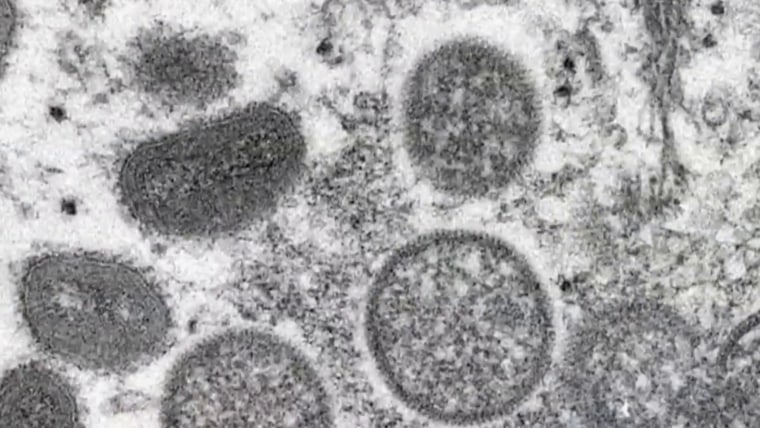
For most of the six decades that monkeypox has been known to affect people, it was not known as a disease that spreads through sex. Now that has changed.
The current outbreak is by far the biggest involving the virus, and it’s been designated a global emergency. So far, officials say, all evidence indicates that the disease has spread mainly through networks of men who have sex with men.
“It clearly is spreading as an STI (sexually transmitted infection) at this point,” said Dr. Tom Inglesby, director of the Johns Hopkins Center for Health Security.
To protect the people at highest risk while trying to contain the spread, public health agencies are focusing their attention on those men — and attacking the virus based on how it’s behaving now.
On Wednesday, the head of the World Health Organization advised men at risk for monkeypox to consider reducing their sexual partners “for the moment.”
But this is a complicated outbreak that may shift in how it spreads and which population groups are most affected. There is also debate about whether monkeypox should be called a sexually transmitted disease, with some critics complaining that the term creates a stigma and could be used to vilify gay and bisexual men.
Monkeypox can spread in nonsexual ways too, and it’s not enough to use condoms or other typical measures for stopping STDs, Inglesby and other experts say.
Here’s what we know.
What makes something an STD?
A sexually transmitted disease is commonly defined as one that mainly spreads through sexual contact. But some STDs can be spread in other ways, too. HIV can spread through shared needles. Syphilis can spread through kissing. A common, parasite-caused sexual infection called trichomoniasis has been found to spread through the sharing of damp, moist objects like sponges or towels.
Monkeypox has not usually spread easily among people, and experts are still trying to understand exactly how it moves from person to person. In Africa, where small outbreaks have been common for years, people have been infected through bites from rodents or small animals.
But in May, cases began emerging in Europe, the United States and elsewhere that showed a clear pattern of infection through intimate contact with an infected person, like many other sexually transmitted diseases.
The public health workers who respond to outbreaks play a large role how they are framed. Much of the work on monkeypox has been done by professionals who operate sexual health clinics or specialize in STDs.
Indeed, the U.S. government’s response needs to be led by people with that expertise, said David C. Harvey, executive director of the National Coalition of STD Directors.
“The STD field has a wealth of knowledge and expertise in these areas developed over decades fighting various outbreaks and diseases affecting the very communities … we’re seeing monkeypox taking a toll on today,” Harvey said in a statement.
Who is getting monkeypox?
WHO officials said last week that 99% of all the monkeypox cases beyond Africa were in men and that of those, 98% involved men who have sex with men. Experts suspect that monkeypox outbreaks in Europe and North America were ignited by sex at two raves in Belgium and Spain.
The statistics are the same for cases reported in the United States, according to the Centers for Disease Control and Prevention. As in Europe, cases have emerged in other groups too, including at least 13 people who were female at birth and at least two children.
Last week, the New England Journal of Medicine published a study of hundreds of monkeypox infections in 16 countries. It found that the suspected means of transmission in 95% of the cases was sexual close contact, as reported by doctors. The researchers noted that it was impossible to confirm sexual transmission.
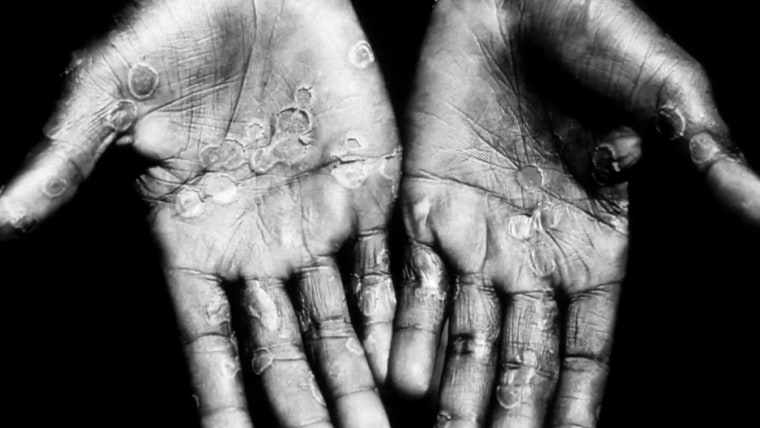
That idea seemed to be further supported by the finding that most of the men had lesions in the genital or anal areas or in the mouth — areas of sexual contact, the researchers said.
Why is there a debate about calling it an STD?
While there is broad agreement among health officials that monkeypox is being transmitted during sexual encounters, some experts debate whether it should be called an STD. They worry that the term unfairly stigmatizes and that it could undermine efforts to identify infections and tame the outbreak.
When a disease is defined as a sexually transmitted infection that mainly affects men who have sex with men, many people may begin to think of it as “a gay disease” that poses no risk to them, said Jason Farley, an epidemiologist at the Johns Hopkins School of Nursing.
That’s what happened in the early days of the AIDS epidemic in the 1980s, which contributed to the spread of HIV to other groups. Farley said.
“We learn nothing from our history,” said Farley, who is gay.
The WHO recommendation that at-risk men limit their sexual partners is sensible public health advice, he said. But it also amplifies “the message that this is a gay disease,” he said.
“This is the fine line between having a public health approach that focuses on the epidemiology of now, compared to the likelihood of the continued emergence of new cases in” the general community, he said.
“Monkeypox is not a sexually transmitted infection,” he said. “It is an infection that can be transmitted with sexual contact.”
What is known about transmission?
Some researchers have found evidence of the monkeypox virus in semen. A study in Spain found monkeypox virus DNA in the semen of some infected men, as well as in saliva and other body fluids. But the study didn’t answer whether the virus actually has spread through semen.
Sorting that out could affect the understanding of not only how men spread the infection, but also how long they might be contagious. Evidence of some other viruses — like Ebola and Zika — has been found in the semen of some men months after they were thought to be fully recovered.
Meanwhile, scientists believe the primary route of transmission during the current outbreak has been skin-to-skin contact during sexual encounters with someone who has symptoms. In that respect, it’s similar to herpes, some experts noted.
The virus also may spread through saliva and respiratory droplets during prolonged, face-to-face contact, such as during kissing and cuddling — a kind of spread that can occur outside of sex.
Researchers are exploring how often, and in what situations, that kind of spread might happen, said Christopher Mores, a professor of global health at George Washington University.
“We would do ourselves a disservice to try and exclude anything from the realm of possibility at this point,” he said.
Officials also say people can catch monkeypox from touching items that previously touched an infected person’s rash or body fluids, such as towels or bedsheets. That is thought to explain the infections of the U.S. children.
Why are these details important?
It’s important to understand exactly how monkeypox spreads in order to give people the information they need to protect themselves, health officials say.
That said, health officials believe those who are currently at the highest risk are gay or bisexual men who have sex with multiple partners. That understanding has shaped much of the work to contain the outbreak, including prioritization of the supply of vaccines and treatments.
The government has been shipping a monkeypox vaccine, but the supply is limited. So far it’s only been recommended as a post-exposure treatment or for people who have had multiple sex partners in the past two weeks in a place where monkeypox cases have been reported.
The vaccine is new, and officials are trying to gather data on exactly how well it works.
A school librarian in Louisiana is suing two conservative activists for defamation after they falsely accused her of putting “pornographic” material in local libraries.
“I’ve had enough for everybody,” Amanda Jones, a librarian at a middle school in Denham Springs, Louisiana and president of the Louisiana Association of School Librarians, told NBC News. “Nobody stands up to these people. They just say what they want and there are no repercussions and they ruin people’s reputations and there’s no consequences.”
Jones’s suit, filed last week, argues that Facebook pages run by Michael Lunsford and Ryan Thames falsely labeled her a pedophile after she spoke against censorship at a July 19 Livingston Parish Library Board of Control meeting. She has also filed criminal complaints with the Livingston Parish Sheriff’s Office against Lunsford and Thames.
During public comment at the July 19 board meeting, Jones voiced her concern that a motion under consideration to evaluate the content of certain sex education books available at the public library would lead to the banning of books containing LGBTQ content.
“‘While book challenges are often done with the best intentions, and in the name of age appropriateness, they often target marginalized communities such as BIPOC and the LBGTQ community,” Jones said at the meeting according to the lawsuit.
“The citizens of our parish consist of taxpayers who are white, Black, brown, gay, straight, Christian, non-Christian, people from all backgrounds and walks of life, and no one portion of the community should dictate what the rest of the citizens have access to. Just because you don’t want to read it or see it, it doesn’t give you the right to deny others or demand its relocation.”
“If we remove or relocate books with LBGTQ or sexual health content, what message is that sending to our community members? Why is your belief system any more important than others’?”
Lunsford, who runs conservative group Citizens for a New Louisiana, attended the meeting and spoke in favor of restricting books with sexual content. In the weeks following the meeting, Citizens for a New Louisiana’s Facebook page posted numerous posts about Jones.
“Why is she fighting so hard to keep sexually erotic and pornographic materials in the kid’s section?” one post, which featured Jones’s picture, read.
Thames’s “Bayou State of Mind” Facebook page also posted a meme depicting Jones and accused her of “advocating teaching anal sex to 11-year-olds.”
Jones said she has not left her house in two weeks due to comments on some posts encouraging violence against her. At the same time, she has raised $20,000 to fund her lawsuit against Lunsford and Thames via a GoFundMe campaign.
“If this takes four or five years, I’m going to fight these people on this,” she said. “Even if I lose, I could say I stood up to them.”