A teacher at a New York school has been suspended from her job after teaching students about LGBT issues.
Jacqueline Hall, the health teacher at the Cambridge Central High School, was suspended with pay after inviting a guest lecturer to teach about LGBT issues.
The second day of lectures by the Pride Centre of the Capital Region was also cancelled by the school.
Parents had complained about a pack given out to students which taught about gender identity and sexual orientation.
One parent, Sirell Fiel, took to Facebook, recording a video expressing his disgust that his child would be taught about gender identity.
“When it comes to teaching our kids certain things, that should be left up to us,” he says in the video.
“Not the school district. Not health class in seventh grade.”
He also encouraged other parents to find the booklet and confiscate it.
The parent also took aim at the booklet for teaching the 11-year-old class that some people have same-sex relationships.
“This is something my eleven-year-old definitely does not need to know in health class in seventh grade,” he said.
“Unacceptable.”
Fiel did accept that students should be taught not to bully people for their sexual orientation.
He described the booklet as “state-funded porn”.
“Genital reconstruction surgery!” Fiel exclaimed, working through the extensive list. “Is that really something an eleven-year-old kid should be learning and knowing about? Nah. I don’t think so.”
In the video, Fiel says he plans to make phone calls to complain about the reading material.
He says he thinks parents should have been informed prior to the class that it was taking place.
“They are literally taking the innocence out of our children every day with this BS,” he says.
The superintendent of the school, Vince Canini, says he has concerns about the class.
“The parents have concerns, and they are mine as well,” he told the Post Star.
Canini also said the booklet contained information he considered to be “inappropriate.”
As the the race for the governor’s mansion in Virginia goes down to the wire, GLAAD today called out Republican candidate Ed Gillespie’s anti-LGBTQ record leading into next Tuesday’s election.
GLAAD states that Gillespie’s actions during the 2017 gubernatorial race so far have proven that he is no “moderate” as he was once described, instead building his campaign on the racist stereotyping of the Latinx community and the foundation of a deeply troublesome anti-LGBTQ record.
“Ed Gillespie’s clear targeting of marginalized communities falls in line with the racist and anti-LGBTQ agenda of the Trump Administration,” said Zeke Stokes, Vice President of Programs at GLAAD. “His record of pushing anti-transgender legislation and opposing marriage equality – along with his dog-whistle campaign messaging – are out of line and out of touch with the values of the people of Virginia.”
The discriminatory anti-LGBTQ record of Ed Gillespie is an embrace of the same anti-LGBTQ agenda at the core of the Trump Administration, including Gillespie’s own push for a North Carolina-style legislation that would directly put transgender Virginians in harm’s way and his long record of opposition to marriage equality.
Ed Gillespie’s Anti-LGBTQ Record
Opposition to Marriage Equality
Opposes marriage equality: “‘I believe in my faith,’ which says marriage is between a man and a woman, he said. ‘So I don’t believe in government sanction of same-sex marriage.’”
While chair of the Republican Party, called on the GOP to “pursue whatever policy is necessary” to stop marriage equality: “The Republican Party platform is clear: We believe marriage is the legal union of one man and one woman. We must pursue whatever policy is necessary to protect this institution, including a Federal Marriage Amendment to the United States Constitution.”
Reportedly pressed former president George W. Bush to add extra lines to a 2008 commencement speech that explicitly condemned marriage equality.
As senior adviser to Mitt Romney’s 2012 presidential campaign, advocated for a federal marriage amendment.
Classified judicial rulings on marriage equality as “unhealthy”: “We’ve had courts injecting themselves into this decision making process, into the political process, in a way I think is generally unhealthy for unelected judges to make decisions about whether or not government should sanction gay marriage or not.”
Support of Anti-Trans Measures/Policies
Advocated for North Carolina–styled “bathroom bill.”
His campaign derisively said of his position on transgender bathroom access: “Ed doesn’t think girls should be compelled to share a locker room shower or hotel room on an overnight band trip with boys.” Gillespie believes that parents and local school boards should “enact common-sense policies to protect the safety and privacy of our children.”
Claimed Being LGBTQ as a “Choice”
Once claimed LGBTQ people are making a “choice” and that asking for acceptance is “religious bigotry”: “I accept people for who they are – and love them. That doesn’t mean I have to agree or turn my back on the tenets of my faith when it comes to homosexuality. I think when people say, ‘Well, no. That’s not enough that you accept me for who I am, you have to agree with – and condone – my choice,’ that, to me, is religious bigotry, and I believe that’s intolerant. I think they are the ones that are crossing the line here.’”
Historically, when children with atypical sex characteristics were born in the United States, the people around them—parents and doctors—made their best guess and assigned the child a sex. Parents then reared them per social gender norms. Sometimes these people—intersex people—experienced harassment and discrimination as a result of their atypical traits. But many lived well-adjusted lives as adults. During the 1960s, however, based largely on the unproven recommendations of a single prominent psychologist, medical norms in the US changed dramatically. Doctors began recommending surgical solutions to the supposed “problem” of intersex traits—internal sex organs, genitalia, or gonads that do not match typical definitions of male and female. This medical paradigm remains the status quo nearly everywhere in the world today.
Defaulting to surgery resulted in stigmatization, confusion, and fear. In some cases, doctors advised parents to conceal the diagnosis and treatment from the child, instilling feelings of shame in parents and children both. And as a result, many in an entire generation of intersex people did not learn about their conditions until they saw their medical files as adults—sometimes as late as in their 50s.
Over time and with support and pressure from advocates, some medical norms have evolved. Today, intersex children and their families often consult a team of specialists, and not just a surgeon. The medical community has changed its approach to intersex cases—which doctors often categorize as “Differences of Sex Development” or “DSD”—by establishing “DSD teams.” These teams convene multiple healthcare specialists, including mental health providers, to advise on and treat intersex patients. Disclosure of a child’s intersex traits to the child is widely recommended. During this evolution in care, cosmetic surgeries on intersex children’s genitals have become highly controversial within the medical community. However, while the establishment of “DSD teams” has been perhaps the most significant evolution in care and has changed practices considerably, it has not addressed the fundamental human rights issues at stake.
Medical professional associations should enact standards of care for intersex children that rule out medically unnecessary surgery before patients are old enough to consent.
Most medical practitioners now acknowledge that in some cases parents may prefer to leave their child’s body intact as a way of preserving the person’s health, sexual function, fertility options, autonomy, and dignity. Consensus among specialists in intersex health has evolved to acknowledge data gaps and controversies—namely that there has never been sufficient research to show either that these surgeries benefit patients or that there is any harm from growing up with atypical genitals. A growing number of doctors are opposed to doing unnecessary early surgery under such conditions. Practitioners also increasingly recognize the suffering of intersex patients who underwent the operations without their consent.
However, despite these promising developments in care for intersex people, the field remains fraught with uneven, inadequate, and piecemeal standards of care—and with broad disagreements among practitioners that implicate the human rights of their intersex patients. While there are certain surgical interventions on intersex children that are undisputedly medically necessary, such as the creation of a urinary opening where one does not exist, some surgeons in the US continue to perform medically unnecessary “normalizing” surgeries on children, often before they are one year of age. These operations include clitoral reduction surgeries—procedures that reduce the size of the clitoris for cosmetic reasons. Such surgery carries the risk of chronic pain, nerve damage, and scarring. Other operations include gonadectomies, or the removal of gonads, which result in the child being sterile and forced onto lifelong hormone replacement therapy.
Healthcare providers are an important source of information and comfort amidst confusion. “Clinicians and parents alike refer to the period after the birth of an infant for whom gender assignment is unclear as a ‘nightmare,’” wrote Katrina Karkazis, a medical ethicist at Stanford University. “Not only does a child with ‘no sex’ occupy a legal and social limbo, but surprise, fear, and confusion often rupture the parents’ anticipated joy at the birth of their child.”
An endocrinologist told Human Rights Watch: “I understand the impulse for a parent to create something that looks normal—or at least normal according to a surgeon—at birth before the kid knows anything about it. I follow the logic pattern, but you have to run it against risks.” He said: “It’s important to be clear that a certain percentage of the time, something does go wrong and you have to do a re-op, and there’s a loss of sensitivity. So then the do-no-harm becomes: don’t do anything. What problem were you solving with surgery anyway?”
In July 2017, three former US surgeons-general, including one who was a pediatric endocrinologist, wrote that they believed “there is insufficient evidence that growing up with atypical genitalia leads to psychosocial distress,” and “while there is little evidence that cosmetic infant genitoplasty is necessary to reduce psychological damage, evidence does show that the surgery itself can cause severe and irreversible physical harm and emotional distress.” They said: “These surgeries violate an individual’s right to personal autonomy over their own future.” The three doctors concluded:
[B]abies are being born who rely on adults to make decisions in their best interest, and this should mean one thing: When an individual is born with atypical genitalia that pose no physical risk, treatment should focus not on surgical intervention but on psychosocial and educational support for the family and child.
For more than 50 years, the medical community in the United States has often defaulted to treating intersex children by conducting irreversible and unnecessary surgeries. Even after two decades of controversy and debate, there remains no research showing that early, medically unnecessary surgery is helpful to the intersex child. Nonetheless, to date, none of the clinics we surveyed have firmly instituted a moratorium on such operations. The evidence is overwhelming that these procedures carry risk of catastrophic harm. And while increasing numbers of doctors believe it is wrong to conduct these procedures, recent data demonstrate that many clinics continue to do so. Alice Dreger, a bioethicist who has written two books on intersex issues and served on a National Institutes of Health multi-site research project before resigning in protest in 2015, wrote of her two decades of engagement on the intersex surgery controversy: “While many clinicians have privately shared my outrage about these activities, in public, the great majority have remained essentially silent.”
International human rights bodies have recognized the practice as implicating and potentially violating a range of fundamental rights, including the rights to health, autonomy, integrity, and freedom from torture. At present, many of the doctors who advise or conduct surgeries on intersex infants and young children cite a lack of data on the outcomes for children who do not undergo surgery. “We just don’t know the consequences of not doing it,” a gynecologist told Human Rights Watch regarding medically unnecessary surgery. Others continue to call for data collection regarding the impact of the intact intersex body on families and society—as if intersex people are a threat to the social order. For example, a 2015 article co-authored by 30 DSD healthcare providers reflecting on genital surgeries published in the Journal of Pediatric Urology stated:
There is general acknowledgement among experts that timing, the choice of the individual and irreversibility of surgical procedures are sources of concerns. There is, however, little evidence provided regarding the impact of non-treated DSD during childhood for the individual development, the parents, society….
Human Rights Watch and interACT believe this approach has it exactly backwards: the experience of those who have undergone the surgery and principles of medical ethics suggest that unless and until there is outcome data establishing that the medical benefits of specific surgical procedures on infants and young children outweigh the potential harms, they should not be used.
Doctors have said they are seeking guidance on the issue so that they can avoid repeating the mistakes of the past. For example, in 2017, Dr. Ilene Wong, a urologist in Pennsylvania, acknowledged the harm in which she took part when she conducted surgery on an intersex child without her consent. She wrote: “Eight years ago, I did irrevocable damage to the first intersex person I ever met.” She said:
While some would argue that surgical practice has improved in the past decades, the fact remains that few attempts have been made to assess the long-term outcomes of these interventions. The psychological damage caused by intervention is just as staggering, as evidenced by generations of intersex adults dealing with post-traumatic stress disorder, problems with intimacy and severe depression. Some were even surgically assigned a gender at birth, only to grow up identifying with the opposite gender.
Others have offered similar testimony. Dr. Deanna Adkins, the Director of the Duke University Center for Child and Adolescent Gender Care, made an expert declaration to oppose North Carolina’s HB2, a sweeping statewide law repealing non-discrimination ordinances protecting lesbian, gay, bisexual, and transgender (LGBT) people and barring transgender people from shared facilities. In her statement, referring to intersex children, Dr. Adkins argued:
It is harmful to make sex assignments based on characteristics other than gender identity. For example, in cases where surgery was done prior to the ability of the child to understand and express their gender identity, there has been significant distress in these individuals who then have to endure further surgeries to reverse the earlier treatments. It has become standard practice to wait until the gender identity is clear to make permanent surgical changes in these patients unless the changes are required to maintain the life or health of the child.
An endocrinologist on a DSD team told Human Rights Watch: “That’s an adage in medicine—above all do no harm.” He added: “I don’t think you’re going to find anybody that runs a DSD clinic that would argue with the fact that outcomes are better when you delay intervention in general.” A DSD specialist Human Rights Watch interviewed argued that “there’s probably rare if any situations where surgery is absolutely necessary.” She said doctors needed “clear guidelines, clear practice standards”—what she called “general principles of care and make it very clear that the emerging data is in favor of not intervening.”
Such guidelines have begun to emerge. In 2016, the American Medical Association Board of Trustees issued a report recognizing that “DSD communities and a growing number of health care professionals have condemned…genital ‘normalizing,’ arguing that except in the rare cases in which DSD presents as life-threatening anomalies, genital modification should be postponed until the patient can meaningfully participate in decision making.” The board recommended adoption of a resolution that, “except when life-threatening circumstances require emergency intervention, [doctors should] defer medical or surgical intervention until the child is able to participate in decision making.”
Accordingly, Human Rights Watch and interACT are urging the AMA, the American Academy of Pediatrics, and other medical bodies, in line with the oath to “Do No Harm,” to support a moratorium on all surgical procedures that seek to alter the gonads, genitals, or internal sex organs of children with atypical sex characteristics too young to participate in the decision, when those procedures both carry a meaningful risk of harm and can be safely deferred.
Over the next two weeks, a decision will be made at the United Nations (UN) on whether governments globally will accept discrimination on the basis of sexual orientation at the 2018 Olympics in South Korea. While the UN General Assembly cannot remove the ban on discrimination from Principle 6 of the Olympic Charter itself, Egypt and Russia are leading a stealth attack on the Olympics at the UN General Assembly that is laden with meaning and must be stopped.
Every two years, member states of the UN General Assembly negotiate the “Olympic Truce Resolution”, which calls for peace among nations during the Olympics and the one week preceding and one week following the games. Since 2015, Principle 6 of the Olympic Charter has banned discrimination on the basis of sexual orientation. Now, Russia and Egypt are aggressively trying to remove all reference to Principle 6 from this year’s Olympic Truce Resolution.
In recent weeks, Egyptian authorities have arrested 60 people perceived to be members of the LGBT community, and last week, a member of parliament introduced a bill that would criminalize life, speech, and activism for LGBT Egyptians and their allies. In recent months, the Russian government has turned a blind eye to the one hundred plus gay men in Chechnya arbitrarily arrested and tortured.
Jessica Stern, Executive Director at OutRight Action International, commented:
“Egypt and Russia are not simply fighting over symbolic language but over the levels of violence governments are allowed to use against LGBT people. After systematic attacks on LGBT people in their own countries, they are now setting their sights on promoting violence and discrimination in every country of the world. The Olympics Games are supposed to be a time for sport, technique, pride and community, not for politicking, hatred and violence.”
In 2015, the UN General Assembly, under the leadership of Brazil, included the principle of non-discrimination in the Olympic Truce Resolution with a reference to Principle 6 of the Olympic Charter. Since that year, Principle 6 has included sexual orientation as a prohibited grounds for discrimination, a development deemed necessary following Russia’s attacks on gay and lesbian people in the lead-up to its role as host of the 2014 Sochi Winter Olympic Games.
In the back rooms of the UN Headquarters over the last two weeks, Russia and Egypt have proposed an ultimatum: remove explicit reference to Principle 6, or they will not sign the Truce. Their ultimatum has put South Korea, leader of the negotiations as the 2018 Olympics host, in a precarious and difficult position.
As in the style of UN negotiations, the removal of reference to Principle 6 from the Olympic Truce Resolution this year could mean never seeing these protections in the peace agreement again. Recognizing the high stakes, a cross-regional group of States has come out against the ultimatum by Egypt and Russia.
OutRight has utilized its access to the UN General Assembly to monitor developments and advocate throughout the closed-door negotiations. OutRight has worked with key States to ensure cross-regional support for the inclusion of Principle 6. OutRight continues to triangulate information between governments and civil society, encouraging stakeholders to remain informed and actively engaged.
In reaction to this threat, Stern concluded,
“Russia and Egypt are known anti-LGBTI campaigners at the UN, and they are prepared to sacrifice the Olympic spirit to do it. We cannot allow this type of bullying to target LGBT people or undermine the principle of global community.”
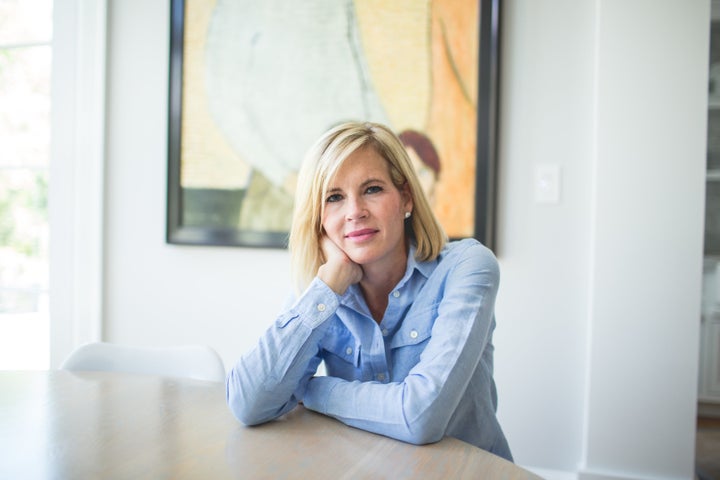
Steph Larsen, founder of Encircle, a nonprofit that serves LGBTQ youth.
Stephenie Larsen is a busy mother of six. When she isn’t wheeling across town, dropping her kids off at school or sports, she runs a support network for gay youth.
Larsen opened the nonprofit Encircle LGBTQ Family and Youth Resource Center in downtown Provo, Utah, in February. The center aims to be a safe, open environment for LGBTQ people in this deeply religious community, and offers individual therapy and group counseling services, as well as a variety of daily activities.
Larsen, herself a Mormon, says she doesn’t have a gay child and doesn’t identify as LGBTQ ― but over the years, she witnessed the church’s fraught relationship with the gay community affect family after family, until she felt she had to do something.
HuffPost is hitting the road this fall to interview people about their hopes, dreams, fears ― and what it means to be American today.
Studies have shown that LGBTQ youth are at a greater risk of depression, suicide and substance abuse than their heterosexual peers. Kids who are exposed to supportive and accepting communities and families are more likely to thrive, while those who experience rejection and bullying are at greater risk of having problems in school and engaging in risky behavior.
Larsen wants Encircle to bring families of LGBTQ kids closer together and to foster understanding between them and the Mormon community. It’s fitting that Encircle, housed in a historic blue Victorian, is located just down the street from one of Provo’s two Mormon temples, she said.
The Mormon church did not respond to a request for comment for this story. Last year, a representative for the church gave the following statement about Encircle to HuffPost: “It’s good to see this historic property lovingly restored and used to serve people in the LGBT community.”
HuffPost sat down with Larsen to talk about the challenges she faces in her work and how she hopes Encircle will help LGBTQ kids in Provo.
This interview has been edited for length and clarity.
Encircle
The Encircle house sits just down the street from one of Provo’s two Mormon temples.
Tell me about the mission of Encircle. What is its role within the Provo community and the Mormon community?
It’s a safe space for LGBTQ individuals to come and have community, and the whole goal is to keep the youth alive. It’s extremely difficult if their family does not understand, love and respect them for who they are, and it’s even more difficult when they feel like they’re living in a community that doesn’t understand who they are.
We believe that if we can help the family work through when their child comes out as gay, lesbian or transgender, then they can become an affirming family and support this child on their journey. We hope that through the process, we will help change our community. We believe better conversations at Encircle lead to better conversations in the home, churches, schools, neighborhoods.
Our church, the Mormon church, is extremely important in Provo and affects everyone’s life. So instead of pushing against the community, we’re trying to bring the community in and trying to work in their values to help them better understand and love LGBTQ people.
Let’s talk about suicide. Not only are LGBTQ youth at greater risk for suicide, but Utah has one of the highest suicide rates in the country. Do the kids who come to Encircle talk about this?
Most of the youth we work with at Encircle talk about suicide and the struggle they’ve had with it. I think that when you feel like your god doesn’t love you, or there’s that shame involved in who you are, and you can’t change ― I can’t imagine how difficult that would be.
Youth on average realize whether they’re gay by the time they’re 12 years old, but they don’t come out till they’re 22. So there is a 10-year period that these kids are just harboring these feelings within themselves, and no one knows what they’re dealing with. And during that time, they’re hearing what their church thinks of gay people, what their mother thinks, what their aunt thinks, what their neighbor thinks, and they are internalizing that.
What are some of the biggest challenges of your work?
The major challenge is probably communicating with our community in a way of love and respect for their values, while also communicating love and respect for the youth and who they are. Trying to bridge that gap and to create understanding. And not to be seen as an enemy, but to be seen as a true value and resource. We’re not here to protest, we’re here to help the youth.
And I think raising money is one of the hard parts of a venture like this ― you know, you’ve gotta have money to make this thing run. Raising money is a constant distraction from trying to help the youth, but it’s got to get done. You have to do both.
What kind of support have you seen from the church? Have you had a positive response so far?
Yes, we really have. We’ve had bishops come to Encircle, where we get to have hands-on conversations with them, hoping that they will respond well to the youth and families when the youth come out, so the bishops won’t say things that will be damaging and hurtful to the kids.
Do you feel Encircle has made a difference in the short time it’s been opened?
Fifty to 60 kids come to the house every day.
Since we’ve opened, our therapists have seen over 250 new clients. People are coming to therapy, they’re staying, and they’re coming multiple times.
We’ve trained over 400 volunteers who work at Encircle, and I think every time we train a volunteer, they become an ally and more empathetic and understanding of these kids’ lives.
According to the staff page on your website, it appears that the people in leadership roles are mostly white. Does Encircle have plans to hire more people of color in the future?
For sure. It’s very important ― we’re trying to reach out to the Latino community. And to work on that. We reflect our community in our lack of diversity. I love it that you noticed that.
You don’t identify as LGBTQ, but do you have people from that community leading the day-to-day activities of Encircle?
The people who run the house are from the LGBTQ community. Every night we have an event, and the people who run those programs are always LGBTQ. They’re gaining leadership experience, they’re getting to design the program the way they think is most helpful for people with their life experience.
What has surprised you most about this project?
When you walk in this space, it’s always laughter and happiness. People aren’t just talking about how difficult it is to be gay, they’re talking about the good things in life. And I think that’s a really nice part of it ― that they’re just getting to celebrate life and friendship, and just be normal people there.
Anything else you want people to know?
Kids who have the courage to come out in this community ― they’re very brave, and they’re going to change the world. I hope that we can make it easier for gay kids to thrive in America ― that all of us can. I definitely believe they are born this way, and this is not by mistake. They should be honored and loved for who they are.
In response to the devastation caused by the recent wildfires, OUTwatch – Wine Country’s LGBTQI Film Festival will donate all profits to a new organization just formed that will offer financial support to those in the LGBTQI Community in need. This year the festival will happen at two theaters November 2 – 5, 2016, with Opening Night at the Sebastiani Theatre in Sonoma and the remaining program at Third Street Cinema in Santa Rosa. In an effort to reach all segments of the LGBTQI Community, OUTwatch will present two Spanish language films, as well as offers films of interest to people of all ages, races, genders, gender-expressions, religions, and more. For its fourth year as one of Wine Country’s fastest-growing film festivals, OUTwatch will showcase five fantastic feature films, two thought-provoking documentaries, and one diverse collection of short films.
OUTwatch is determined to bring the best of International LGBTQI Cinema to the North Bay. The festival has expanded to three days of screenings. This year, the schedule is: Thursday, November 2 – 7:30 p.m.The Untold Tales of Armistead Maupin A playful and poignant documentary that examines the life and work of the LGBT Community’s most beloved writer. Friday, November 3 – 7:30 p.m.Signature Move In this comedy a closeted Muslin woman needs to navigate her budding relationship with an out and proud Latina as well as support her depressed mother. Saturday, November 4 – 12:30 p.m.Saturday Church This coming of age story follows the adventures of a teenager who finds refuge with a band of LGBT folks as he explores his gender identity. 2:30 p.m. Fast Girls – Lesbian Shorts is a collection of fun, sexy, thoughtful short films about the lesbian experience. 4:30 p.m.Lavender Scare explores one of the darkest times in the LGBT community’s history at the hands of the U.S. government that gave way to a civil rights movement. 7:30 p.m.After Louie Alan Cumming stars in this drama about an artist and activist who has much to learn from his new love interest. Sunday, November 5 – 12:30 p.m. An encore screening of The Untold Tales of Armistead Maupin 2:45 p.m.I Dream in Another Language (Spanish with English subtitles) A linguist travels to rural Mexico to re-unite the last two men who speak a dying indigenous language. 5 p.m. Extra Terrestrials (Spanish with English subtitles) A sexy astrophysicist who returns home to Puerto Rico and reveals long-repressed family secrets.
To provide all members of the community with an opportunity for respite and connection, all film screenings will offer a “pay what you can” option and complimentary tickets will be distributed to the organizations and groups that serve our community.
The Federation of Gay Games (FGG) General Assembly voting took place 30 October 2017 in Paris, France; Hong Kong is the 2022 Gay Games XI presumptive host city.
Site inspections of the three finalist cities took place June & July 2017 by a team of inspectors from Australia, Germany, Canada, and the USA. The team spent 3.5 days in each city, toured all venues and attended local supporter civic events.
The FGG expresses gratitude to the record number of 17 cities that expressed interest in 2022 Gay Games XI. Five of these cities made it to the semi-final round (Austin, TX, Dallas, TX, Denver, CO, Salt Lake City, UT, and San Francisco, CA). In the first phase, an additional nine cities had expressed interest: Cape Town, South Africa, Tel Aviv, Israel and USA cities Anaheim, CA, Atlanta, GA, Des Moines, IA, Los Angeles, CA, Madison, WI, Minneapolis, MN, and San Antonio, TX.
The impact that the Gay Games has in host cities is incredible in terms of culture, sport, economic impact, history and most importantly elevating all matters of LGBT+ equality.
Paris 2018 – Gay Games 10 takes place 4-12 August 2018, features 36 sports, 14 cultural events, academic conference and up to 15,000 participants from 70 countries. Paris2018.com.
Since 1982, the FGG mission promotes equality and is the largest sport and culture event in the world open to all. Its legacy changes social, and political attitudes towards LGBT+ people through the core principles of “Participation, Inclusion and Personal Best™”. The Gay Games was conceived by Dr. Tom Waddell, an Olympic decathlete, and was first held in San Francisco in 1982. Subsequent Gay Games are San Francisco (1986), Vancouver (1990), New York (1994), Amsterdam (1998), Sydney (2002), Chicago (2006), Cologne (2010), Cleveland+Akron (2014), and Paris (2018).
“Gay Games,” “Federation of Gay Games,” the interlocking circles device, and the phrase “Participation, Inclusion and Personal Best” are trademarks of the Federation of Gay Games, Inc. Trademarks are registered in the USA, Canada, Benelux, the UK, Germany, and Australia.
Wednesday, Nov. 1, STOMP Out Bullying is asking youth around the world from every corner of the web to block out their bullies, erase negative messages and create a positive, safe digital place for youth everywhere. The leading anti-bullying and anti-cyberbullying organization is also asking youth to encourage and empower their friends to do the same creating a chain reaction that it hopes will erase cruelty, homophobia, LGBTQ discrimination, racism and online hatred. Students from the High School of Fashion Industries in New York City will be the inaugural group to activate #BlockItOutDay and invite thousands of other schools across the country to join them.
“We’re standing up and saying enough is enough to the trolls and haters who show up on our social channels, on our phones and in our emails,” said Benjamin Beaudoin, 14-year-old from Tenney School in Methuen, Massachusetts. “The only ones who can block out the bully online is ourselves and if we can get our friends to do the same, we’re hoping to shut the bullies out for good. Even if for one day.”
“Every student has the power to choose what they give their attention to online. They can choose to block out the online hatred, trolls and bullying that makes up the culture of cyberbullying,” said Ross Ellis, CEO and Founder of STOMP Out Bullying™. “We are asking youth to block the negative messages they receive from social media, create a safe positive online space, and ask their friends to do the same – creating a chain reaction. Our overarching mission is to turn a culture of cruelty into a culture of civility.”
What Is Cyberbullying: Cyberbullying is when someone repeatedly and intentionally harasses, mistreats, or makes fun of another person online or while using cell phones or other electronic devices. Approximately 34% of the students surveyed by the Cyberbullying Research Center have experienced cyberbullying in their lifetimes. When asked about specific types of cyberbullying experienced in the previous 30 days, mean or hurtful comments (22.5%) and rumors spread online (20.1%) continue to be among the most commonly-cited. Twenty-six percent of the sample reported being cyberbullied in one or more of the eleven specific types reported.
“When it comes to cyberbullying, an ‘out of sight,’ ‘out of mind’ philosophy is an extremely effective strategy,” Ellis added. “When someone who is being harassed and trolled online, often and aggressively, continues to allow that harasser access to their social media, they willingly give their bully the power. This only allows bullying to continue. It takes bravery, but when a person blocks out their bully and asks their friends to do the same, they have the power to come together and create a ripple effect that erases the spread of hate and cruelty on social media.”
Created in 2005, STOMP Out Bullying™ is the leading national nonprofit dedicated to changing the culture for all students. It is recognized as the most influential anti-bullying organization and works to reduce and prevent bullying, cyberbullying, sexting and other digital abuse, educates against homophobia, LGBTQ discrimination, racism and hatred, and deters violence in schools, online and in communities across the country. In this diverse world, STOMP Out Bullying promotes civility, inclusion and equality. It teaches effective solutions on how to respond to all forms of bullying, as well as educating kids and teens in school and online. It provides help for those in need and at risk of suicide, and raises awareness through peer mentoring programs in schools, public service announcements by noted celebrities, and social media campaigns.
More than one in four people (28.5%) believe that those in same-sex relationships should be ‘charged as criminals’, according to a new survey of over 100,000 people across 77 countries and territories around the world.
Unsurprisingly, the 2017 ILGA-RIWI Global Attitudes Survey showed that there were major differences in views towards sexual and gender minorities in different regions.
45% of respondents in the 15 African countries surveyed agreed that people who engage in same-sex relationships should be charged as criminals, by far the highest percentage around the world.
Elsewhere, 36% of of respondents from the Middle East agreed with that sentiment, compared to 15% of respondents from Australia and New Zealand, and 19% from North America, South America, and Western Europe.
In the UK, one in six (17%) people said they believe that same-sex couples should be charged.
“It is worrying that these attitudes towards criminalisation hover around the 20% mark in many developed countries,” said Aengus Carroll, lead survey researcher and co-author of the report.
When asked if they personally know someone lesbian, gay or bisexual, 41% of respondents from around the world said they did, while 40% said they didn’t, and 19% said they weren’t sure.
The survey found that when respondents know someone belonging to a sexual or gender minority, their attitudes tend to be “markedly more expansive or inclusive” than when people don’t know someone.
While 55% agreed that equal rights and protections should be applied to LGB people, and 59% said the same for trans people, that figure rose to 73% among people who knew someone from either
Elsewhere in the survey, 48% of respondents around the world said they could respect their religion while being accepting of people in same-sex relationships, compared to 30% who felt the two were incompatible.
The U.S. Senate has passed a resolution condemning the violence and persecution against LGBTQ people in Chechnya. Last night, the Senate adopted the resolution by voice vote. The U.S. House of Representatives unanimously passed a nearly identical bipartisan resolution in June. To date, neither President Trump nor U.S. Secretary of State Rex Tillerson have publicly condemned the atrocities.
“With unanimous passage of this resolution, the U.S. Senate just sent a powerful message. Despite the deafening silence from the White House, the people of the United States strongly condemn these anti-LGBTQ attacks in Chechnya,” said Ty Cobb, director of HRC Global. “Members of both parties in both chambers have now condemned the anti-LGBTQ Chechen violence and persecution, and it’s far past time that President Trump and Secretary Tillerson also publicly do so. Given the growing violence and arrests of LGBTQ people around the world, the United States must not back away from leading on LGBTQ human rights.”
The bipartisan Senate Resolution (S. Res.) 211, which was introduced by Senators Pat Toomey (R-PA) and Ed Markey (D-MA), is nearly identical to the U.S. House of Representatives resolution unanimously passed in June. Like the House version, S. Res. 211 “calls on Chechen officials to immediately cease the abduction, detention, and torture of individuals on the basis of their actual or suspected sexual orientation, and hold accountable all those involved in perpetrating such abuses.” It also calls on the U.S. government to “continue to condemn the violence and persecution in Chechnya,” something that President Trump and Secretary Tillerson have failed to do publicly. Only a small number of Trump Administration officials have publicly spoken out, such as U.S. Ambassador to the United Nations Nikki Haley.
Since early this year, Chechen authorities have rounded up and detained more than 100 men in secret prisons, under suspicion that they are gay or bisexual. Chechen leaders have denied these accusations, going so far as to deny the very existence of LGBTQ people in Chechnya. Nonetheless, there have been numerous verified reports of torture and at least three and possibly as many as 20 men have been killed. Chechen officials have also reportedly encouraged families to murder relatives they suspect might be gay, something that at least one family seems to have acted on. While the initial detentions and attacks targeted suspected gay and bisexual men, the campaign has also brought about a surge in lesbian women sharing stories about humiliation, abuse, and threats they have faced from male relatives or from others. Transgender Chechens have also fled violence.
President Trump and Secretary of State Rex Tillerson have thus far failed to publicly condemn the attacks. In September, a Washington Post article quoted a State Department spokesperson who said “the United States will ‘continue to raise our concerns about this situation with Russian authorities’ and that Secretary of State Rex Tillerson had written a letter to Russian Foreign Minister Sergei Lavrov about it.” That letter was never released publicly nor was it accompanied by any public statement on Chechnya. Earlier this month, HRC filed a Freedom of Information Act (FOIA) request with the U.S. Department of State for all records regarding that letter.